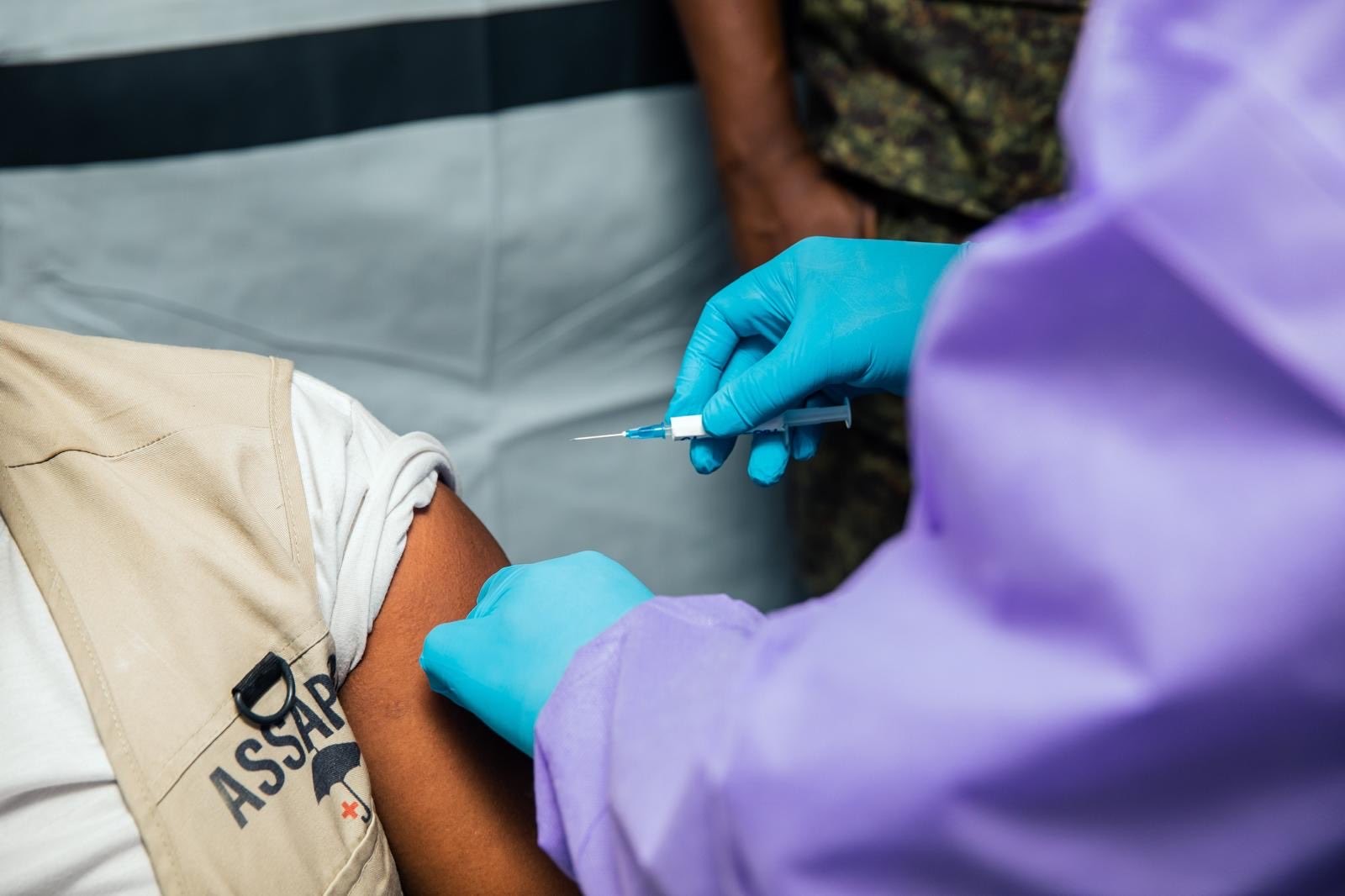
The Democratic Republic of the Congo (DRC) has launched a clinical trial of Ebola vaccine candidates in a major scientific effort to combat the ongoing outbreak of the deadly Bundibugyo virus, which has claimed thousands of lives.
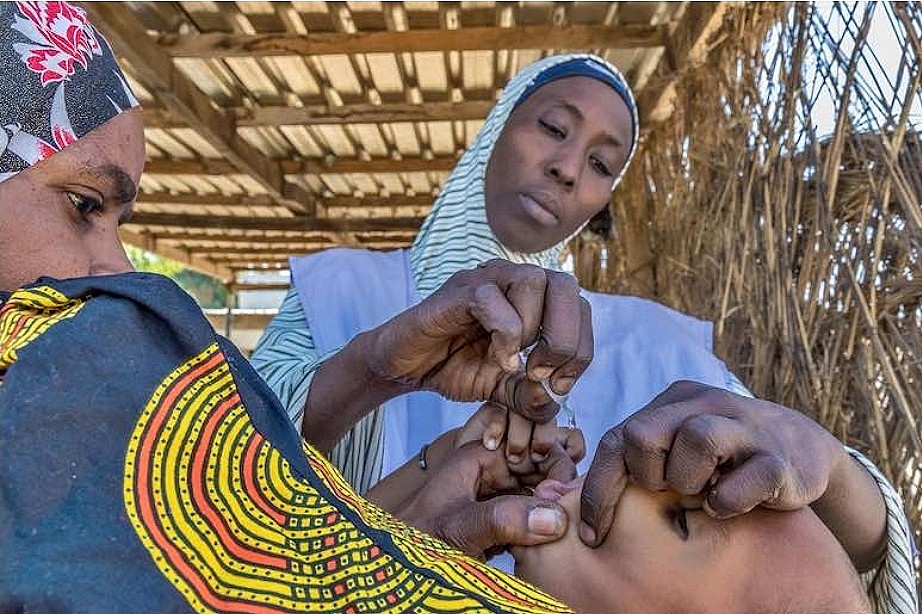
The first participants received vaccinations on Friday, October 23, 2026, in Bunia, Ituri Province, under a new trial known as TUMAINI, a Swahili word meaning “hope.”
World Health Organization (WHO) Director-General Tedros Adhanom Ghebreyesus announced the development, describing the trial as an important step towards finding effective protection against the virus.
“Science gives us hope,” Tedros said, noting that there is currently no approved vaccine specifically for the Bundibugyo virus responsible for the outbreak.
The trial aims to establish whether vaccine candidates can safely and effectively protect people against the strain, helping health authorities develop better tools to control the current epidemic and prevent future outbreaks.
As of October 20, the WHO reported 9,704 confirmed cases and 4,687 deaths in the DRC, representing a crude case-fatality ratio of 48.3 per cent.
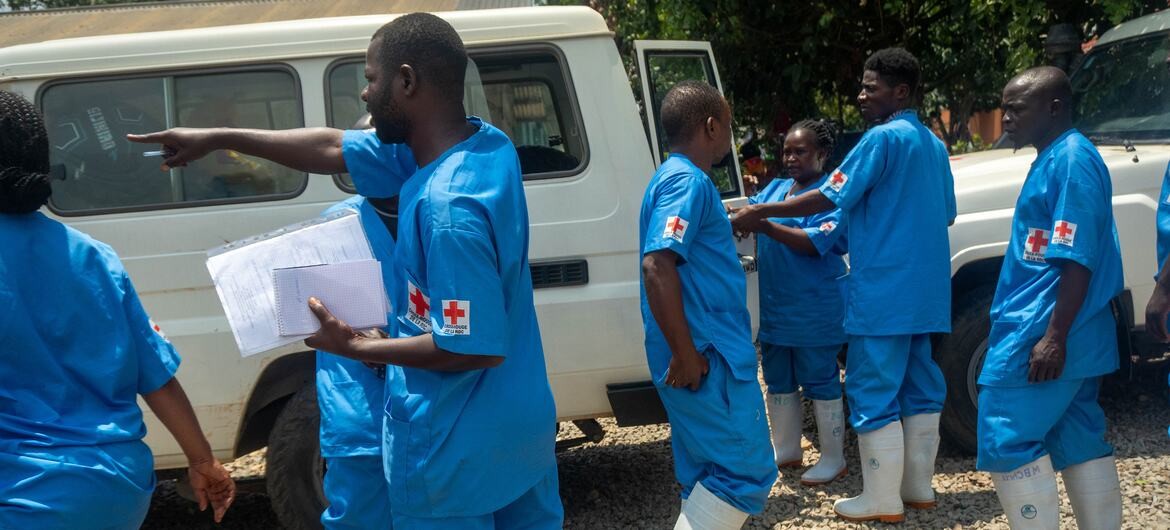
The outbreak had spread across 66 health zones in eight provinces, with Ituri remaining the epicentre.
The outbreak, officially declared on May 15, 2026, has also spread beyond the DRC. Kenya had reported nine cases, including one death, by October 20, while Nigeria confirmed an imported case in Abuja.
The WHO has called for strengthened cross-border surveillance and coordinated regional response measures.
The TUMAINI trial is designed to evaluate the safety, immune response and effectiveness of several vaccine candidates through an adaptive clinical trial, allowing researchers to assess different candidates within a single study.
The approach includes ring vaccination, which targets people who have been in contact with confirmed cases and others at high risk of infection.
The first vaccine candidate being tested is Ervebo, which is already licensed to prevent Ebola disease caused by the Zaire ebolavirus species.
However, its effectiveness against Bundibugyo virus has not been established, making the trial essential to determining whether it can provide protection against the current strain.
Two additional candidates specifically developed for Bundibugyo virus, supported by the Coalition for Epidemic Preparedness Innovations (CEPI), are also expected to enter the trial.
They are being developed by Moderna and by the University of Oxford in collaboration with the Serum Institute of India.
The trial is being led by Congolese health authorities, with the National Institute of Biomedical Research and the University of Antwerp serving as co-leaders and co-sponsors. The WHO, Africa CDC and other international partners are supporting the initiative.
Researchers hope the findings will provide the first clear evidence of whether a vaccine can protect against Bundibugyo virus, potentially transforming future outbreak responses.
For communities affected by the epidemic, the trial offers renewed hope, although scientists caution that the vaccines remain under investigation and their protective effectiveness must be established before they can be approved for use against this strain.