By The News Booth Desk
Email: info.newsbooth@gmail.com
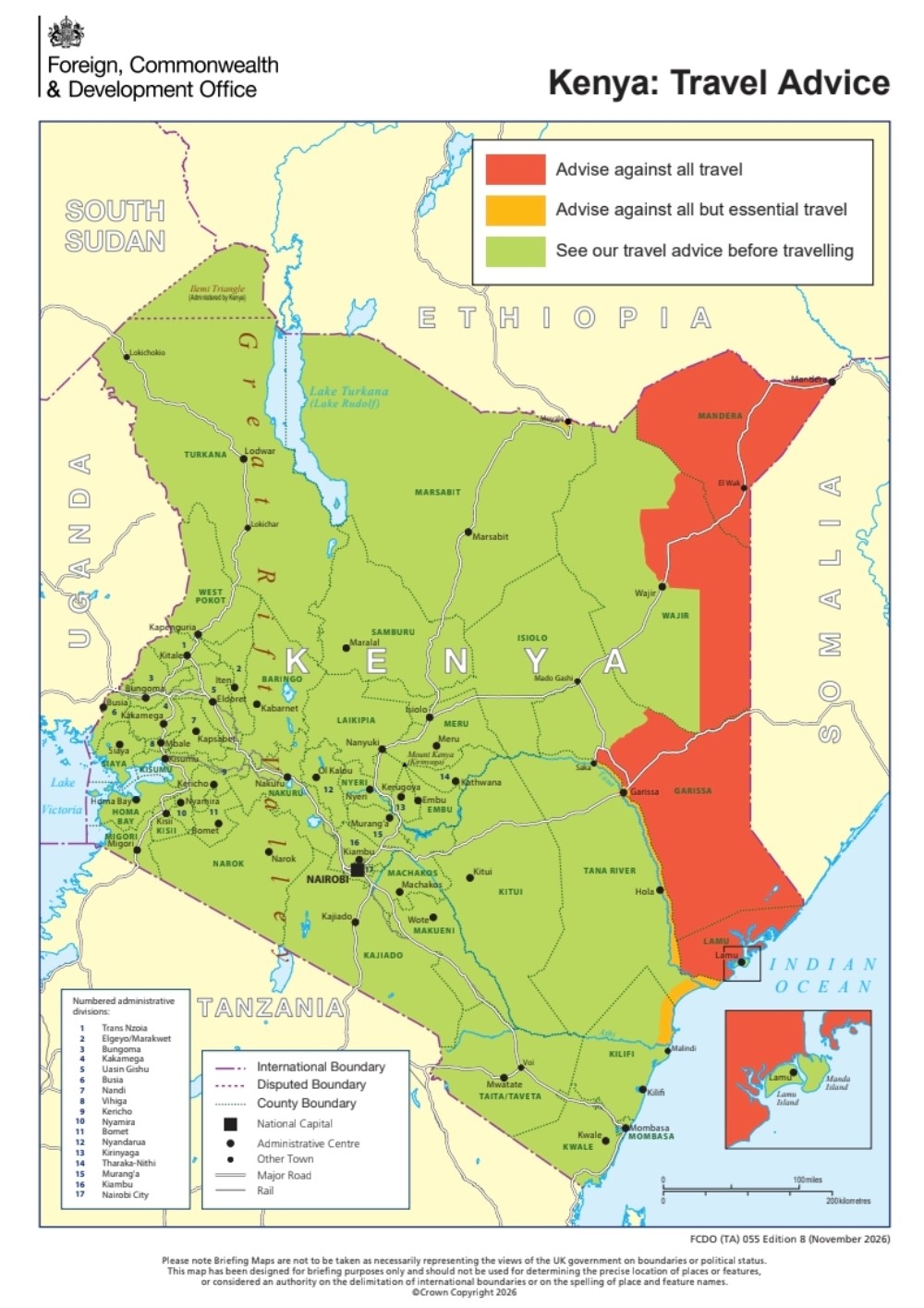
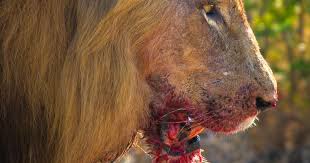
World Animal Protection (WAP) has expressed grave concern over the recent killing of six lions at Amboseli National Park, a renowned wildlife haven located in Kajiado County, Kenya. This unfortunate incident was triggered by villagers in Nashipa, Kajiado Subcounty, who alleged that the lions had intruded into their village, prompting them to take drastic action. This incident follows closely on the heels of another tragic event where four lions were killed just days earlier, bringing the total number of lions killed to ten. Such losses pose a significant threat to the delicate ecosystem of Amboseli, which is home to a diverse range of wildlife species.
The villagers' actions, while stemming from understandable frustration over livestock losses, have been criticized as a cruel response to the presence of these majestic wildcats. WAP has urged communities living adjacent to the national park to exercise compassion and consideration towards wildlife. The organization has emphasized the importance of refraining from encroaching on wildlife territories and taking matters into their own hands without the involvement of the Kenya Wildlife Services (KWS).
"You must understand that depletion of the natural food chain within the ecosystem may cause some wild animals to prey elsewhere in the neighbourhood," WAP stated, highlighting the complex dynamics of human-wildlife conflict. This distressing incident serves as a stark reminder of the potential dangers that arise when there is no peaceful coexistence between humans and wildlife.
To prevent such tragedies in the future, WAP has called on authorities responsible for wildlife protection to adopt a proactive approach in safeguarding these animals. The organization remains committed to advocating for the welfare and protection of wildlife on a global scale. "We stand ready to collaborate with local communities, government authorities, and relevant stakeholders to promote sustainable practices that protect wildlife and their ecosystems," WAP affirmed.
The situation underscores the urgent need for comprehensive strategies that address human-wildlife conflict, ensuring that both communities and wildlife can thrive. As Kenya continues to grapple with these challenges, the role of conservation organizations, government agencies, and local communities becomes increasingly critical in fostering a harmonious relationship between humans and the natural world.