
Women are increasingly dominating high-profile endurance running events globally, raising questions about whether they may be better suited to extreme athletic challenges than men. Recent months have seen female runners claim victories in several prestigious ultra-marathons and endurance competitions, shifting the narrative around gender and athletic performance.
Women Breaking Through in Endurance Running
Female athletes have posted standout performances in demanding endurance events that were historically male-dominated. These victories span multiple continents and race formats, from desert ultra-marathons to multi-day mountain challenges. The pattern suggests women possess distinct physiological advantages for sustained, extreme exertion.
What Makes Women Better at Endurance Running?
Several factors may explain why women excel in endurance events:
- Superior fat metabolism and energy efficiency over long distances
- Better thermoregulation and heat tolerance in extreme conditions
- Lower injury rates in ultra-endurance disciplines
- Psychological resilience and pain management in prolonged efforts
- Reduced muscle breakdown during extended exertion
Challenging Traditional Assumptions
Race organizers and sports scientists are reconsidering outdated beliefs about women's athletic capacity. Lazarus Lake, a prominent race director, has acknowledged that perceptions of women's toughness in endurance running require revision. "The race is too hard for women. They are simply not tough enough to do it," he stated—a view increasingly contradicted by on-course results.
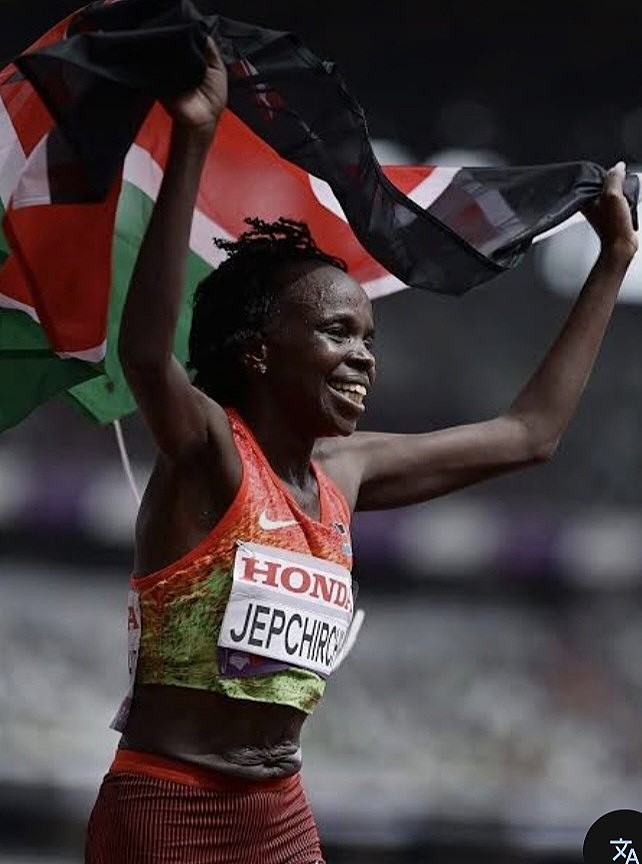
Kenyan distance runners, both men and women, have long dominated global running competitions. This emerging trend in endurance events adds another dimension to Kenya's running legacy, with female athletes from the region potentially positioned to excel in ultra-marathon and extreme-distance categories.
What This Means for Endurance Sport
The rise of women in endurance running is reshaping race design, sponsorship, and media coverage. Event organizers are expanding female categories and prize purses. Sports scientists are investing more research into female physiology in ultra-endurance contexts. As more women compete and win, the sport's culture continues to evolve.
What's Next
Watch for increased female participation in ultra-marathons and multi-day endurance events across Africa and globally. Kenya's running community, including female endurance runners, will likely see growing opportunities in this expanding discipline as the evidence mounts that women excel in endurance running challenges.