The United States is entering the final day of campaigning ahead of the midterm elections, with both Democrats and Republicans making last-minute efforts to secure support in a contest that could reshape the country's political landscape and determine the balance of power in Congress for the remainder of President Donald Trump's term.
The elections, scheduled for Tuesday, November 3, will determine which party controls the House of Representatives and the Senate, with Democrats seeking to overturn the Republican majority in both chambers.
The outcome is expected to have significant implications for Trump's legislative agenda, including his administration's economic policies, immigration crackdown and broader domestic priorities.
Meanwhile, the US Supreme Court has rejected Trump's attempt to block thousands of ballots cast in California, following claims that some may have been issued to non-US citizens.
The ruling comes amid heightened political tensions over voting procedures and election integrity, with the president and his allies continuing to raise concerns about the country's electoral system.
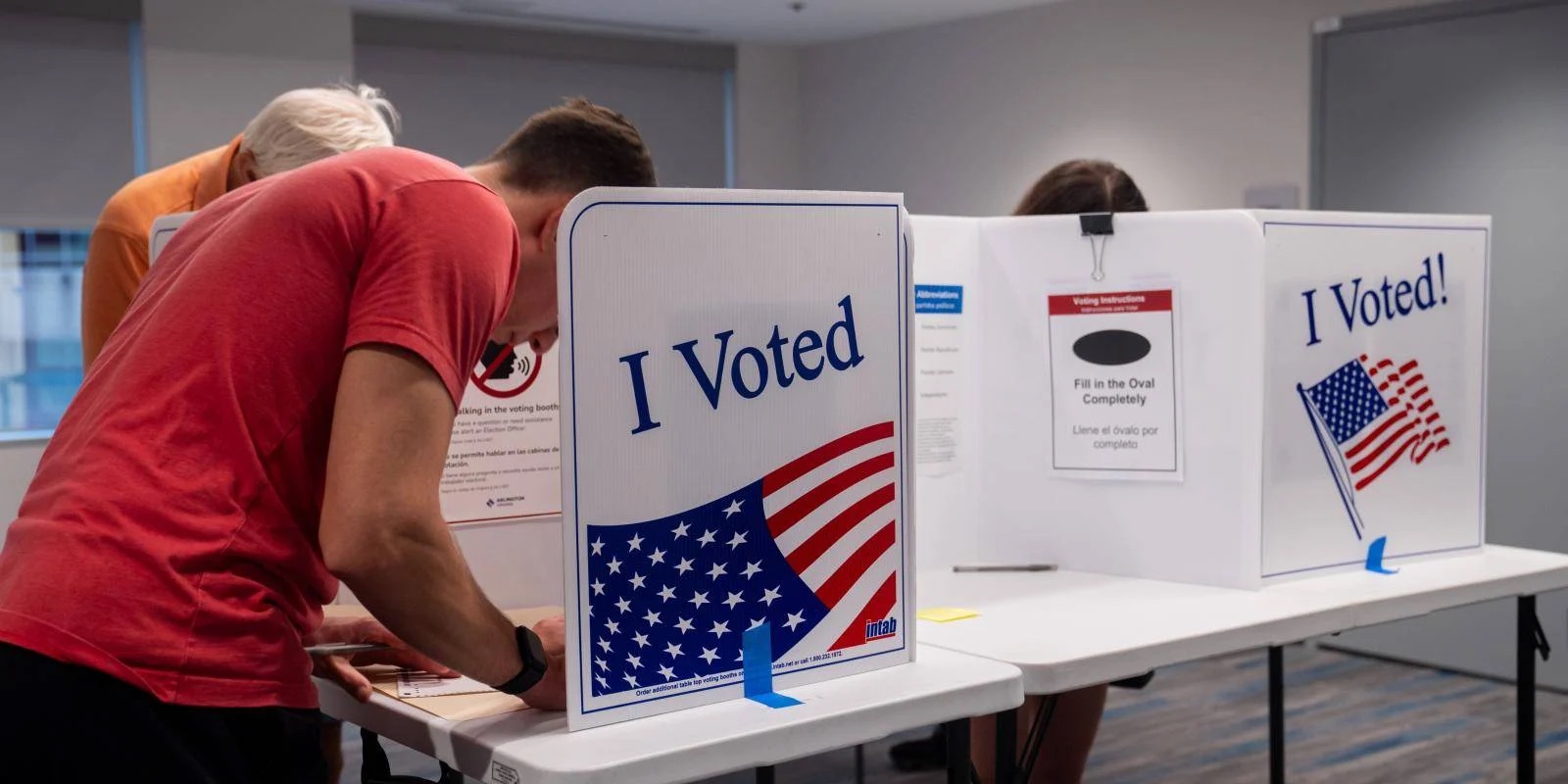
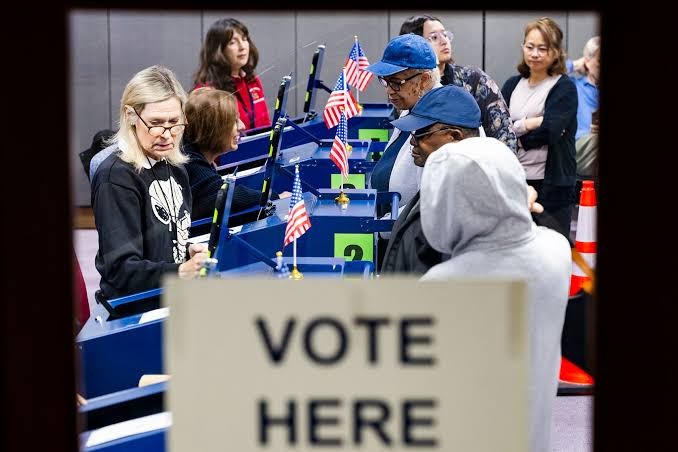
Millions of Americans have already cast their ballots through early voting, with Georgia recording a new midterm early-voting record.
More than a third of registered voters in the state have already participated in the election, highlighting the strong voter engagement ahead of polling day.
The high turnout is being closely watched by both parties, as early voting patterns could provide important clues about the level of enthusiasm among their respective supporters.
Democrats are heading into the crucial elections with high expectations, according to BBC North America correspondent Anthony Zurcher, who says the party is hoping to capitalise on voter concerns over the economy, the cost of living and the direction of the Trump administration.
However, uncertainty remains over whether opinion polls accurately reflect the political mood, particularly in closely contested races where small shifts in voter preferences could determine the outcome.
Republicans, meanwhile, are campaigning to maintain their grip on Congress, arguing that continued control of both chambers is essential to advancing the president's agenda and sustaining the administration's policy direction.
Trump has remained actively involved in the campaign, rallying Republican supporters and urging voters to turn out in large numbers. The president's influence over the party has made the elections a significant test of his political standing less than two years into his second term.
The midterms traditionally serve as a referendum on the sitting president, with the party in power often facing losses as voters express their satisfaction or frustration with the administration.
For Democrats, winning control of either chamber would provide an opportunity to challenge the president's policies, scrutinise his administration and influence the legislative process.
A Republican victory, on the other hand, would strengthen Trump's ability to push through his legislative priorities with fewer obstacles from Congress.
With the final hours of campaigning underway, candidates across the country are making last-minute appeals to undecided voters, while party leaders focus on mobilising their supporters in competitive districts and states.
The results are expected to offer a clearer picture of the electorate's mood and determine how much political leverage Trump and his opponents will have during the remaining years of his presidency.
Although early voting figures point to strong participation, the final outcome will depend on turnout on election day and the results of closely contested races.
The battle for Congress is therefore being closely watched both in the United States and internationally, as the outcome could influence the direction of American domestic and foreign policy.