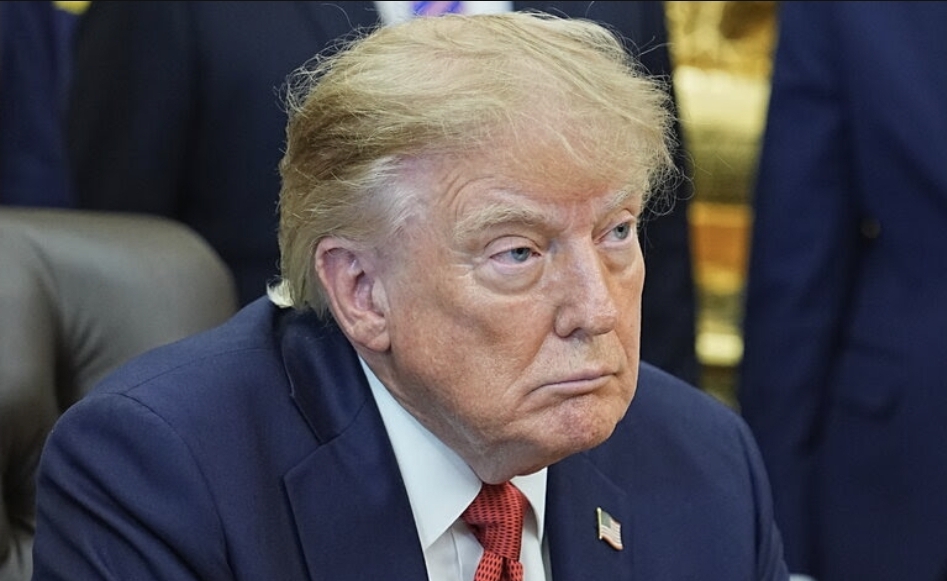
The US Congress has approved sweeping new sanctions aimed at increasing economic pressure on Russia over its war in Ukraine, sending the legislation to President Donald Trump for his signature.
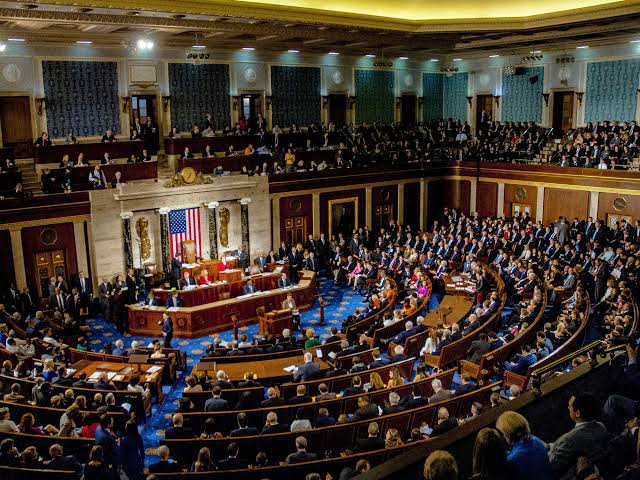
The Republican-controlled House of Representatives passed the measure by 262 votes to 159 on Wednesday, after the Senate approved it by an 86-11 vote last month. Trump has said he will sign the legislation.
The bill targets Russia’s energy and defence sectors, President Vladimir Putin and other senior officials, as well as financial institutions and companies accused of helping Moscow evade existing sanctions.
It also targets Russia’s so-called “shadow fleet” of tankers used to transport oil while avoiding Western restrictions.
One of the most significant provisions gives Trump authority to impose tariffs of up to 100 percent on countries that remain major buyers of Russian oil and gas.
The measure could affect countries such as China and India, which have continued purchasing significant volumes of Russian energy since Moscow launched its full-scale invasion of Ukraine in 2022.
Supporters of the legislation argue that reducing Russia’s energy income could limit the funds available to finance its military operations and increase pressure on Moscow to negotiate an end to the war.
Ukrainian President Volodymyr Zelensky has repeatedly called for tougher economic measures against Russia, arguing that stronger international pressure is needed to push Moscow towards negotiations.
However, the bill also faced opposition in the House, particularly over the broad tariff powers it gives the president.
Gregory Meeks, the senior Democrat on the House Foreign Affairs Committee, said he supported stronger sanctions on Russia but criticised provisions that he said gave the White House too much authority to impose tariffs.
Dozens of Democrats nevertheless joined Republicans in approving the legislation.
India responded on Thursday by saying it would continue securing its energy supplies through diversified sources and according to changing market conditions.
New Delhi, one of the major buyers of Russian oil, has said access to affordable and reliable energy remains central to its economic interests. Indian officials have also warned that new US tariff measures could affect relations between the two countries.
The legislation also expands measures targeting companies and foreign actors supporting Russia’s military and extends some sanctions involving Iran.
Once signed by Trump, the measure will become one of the most significant pieces of US sanctions legislation targeting Moscow since his return to the White House