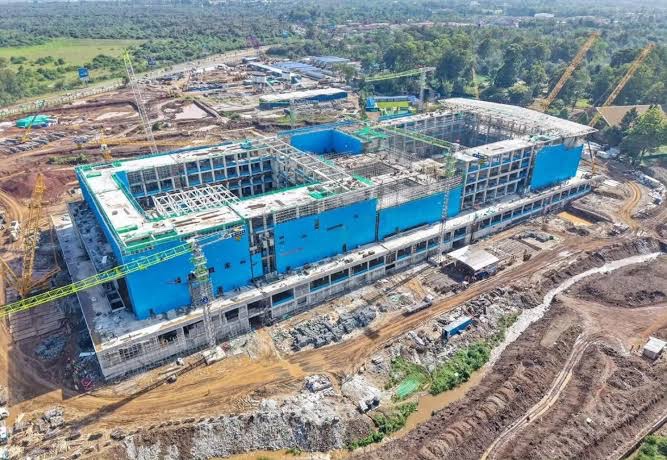
A fresh investigation by The Standard has raised serious questions over the multibillion-shilling Bomas of Kenya redevelopment project, following the publication of details of a secret government contract that allegedly contains questionable financial arrangements worth billions of shillings.
In its Monday, November 2, 2026, edition, the newspaper reported that it had obtained a copy of a confidential agreement detailing how Bomas of Kenya was allegedly being handed over through arrangements involving the Ministry of Defence.
According to the investigation, the contract contains financial provisions that could potentially allow public funds to be channelled into private pockets through questionable contractual charges.
The newspaper reported that the agreement includes Sh2.5 billion in questionable additions, which procurement experts have warned could create opportunities for kickbacks disguised as legitimate project costs.
The revelations have sparked fresh concerns about transparency and accountability in the management of public resources, particularly in major government infrastructure projects.
The Standard further reported that Parliament had repeatedly demanded the release of the contract to allow legislators to scrutinise its contents. However, the government had allegedly declined to make the document public despite the calls for greater transparency.
The newspaper described the agreement as containing clauses that could create financial loopholes, potentially exposing taxpayers to losses through arrangements that are difficult to detect or challenge.
The contract documents reproduced on the newspaper’s front page show signatures from senior Ministry of Defence officials and representatives of China Road and Bridge Corporation, the company identified in the agreement.
Among those appearing on the document is Dr Patrick Mariru, the Principal Secretary in the Ministry of Defence, alongside Willis Olwalo , identified as the ministry’s Head of Supply Chain Management Services.
Xiaodong Yu is also listed as a local representative of China Road and Bridge Corporation.
The reported financial irregularities have placed the spotlight on the procurement process and the safeguards put in place to protect public funds from possible abuse.
Of particular concern is the alleged inclusion of billions of shillings in additional costs before construction work has even reached the first brick stage.
The revelations are likely to intensify demands for the government to disclose the full agreement and explain the financial arrangements surrounding the project.
The controversy also raises broader questions about the role of public institutions in overseeing large-scale government contracts and ensuring that procurement procedures serve the interests of taxpayers.
The Standard said it had decided to publish the contract because Kenyans have a right to know how public money is being spent.
The full implications of the reported revelations, including the government’s response to the allegations and the justification for the disputed costs, remain important questions as pressure mounts for greater accountability.