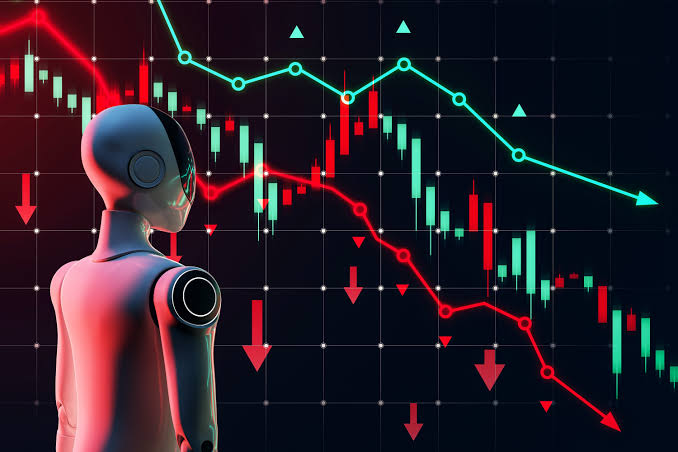
Tesla’s net income plunged 43% in the third quarter of 2026 as the electric vehicle maker continued investing in artificial intelligence, robotaxis and humanoid robots, highlighting the financial pressure of chief executive Elon Musk’s push to transform the company beyond conventional car manufacturing.
The US-based automaker reported revenue of $28.05 billion for the three months ended September 30, slightly below the $28.10 billion recorded a year earlier but ahead of analysts’ expectations of $27.88 billion. Despite the revenue performance, net income fell sharply as the company navigated higher technology spending and pressure on its core automotive business.
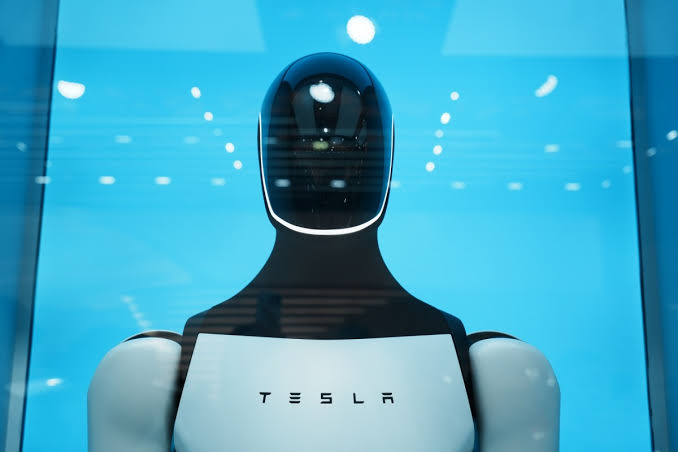
Tesla’s strategy increasingly centres on developing self-driving technology, expanding its robotaxi service and manufacturing its Optimus humanoid robots. Musk has argued that these businesses could eventually provide significant new revenue streams and support higher margins than vehicle sales alone.
However, investors are looking for clearer evidence that the investments can translate into sustainable profits. Tesla continues to face competition from established automakers and lower-cost electric vehicle manufacturers, while demand for its core Model 3 and Model Y vehicles remains under scrutiny.
Vehicle deliveries reached 486,532 during the quarter, exceeding analysts’ expectations of approximately 461,100. Deliveries nevertheless declined by about 2% from the same period in 2025, illustrating the challenge of growing the automotive business while the company pursues new technology markets.
Tesla’s energy storage business provided another source of growth, benefiting from demand for large-scale batteries used by renewable energy developers and data centres. The division has become an increasingly important counterweight to the company’s vehicle operations.
The company also reported capital expenditure of approximately $4.73 billion during the quarter, below the roughly $7.5 billion analysts had expected. Free cash flow reached $1.53 billion, significantly better than forecasts that anticipated a cash outflow.
Following the results, Tesla reduced its 2026 capital expenditure forecast to about $20 billion, down from its previous projection of more than $25 billion. The change raised questions about the pace of investment in AI and robotics, even as lower spending helped strengthen the company’s near-term cash position.
The spending decisions come as Musk explores a potential combination of Tesla and SpaceX, another company with substantial investment needs. Any such transaction could reshape Tesla’s long-term strategy and financial priorities, although discussions do not guarantee a deal will proceed.
For investors, the challenge is assessing whether Tesla can turn its ambitions in autonomous driving, AI and robotics into commercially successful businesses without weakening its core automotive operations. The company’s future performance will depend on execution, customer demand and the speed at which its emerging technologies generate meaningful revenue.