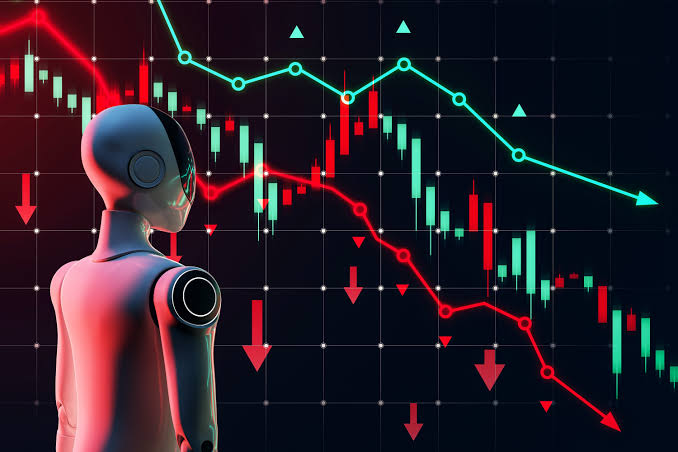
US stocks fell sharply, as renewed concerns about the cost and profitability of artificial intelligence (AI) investments triggered a broad sell-off in technology shares. The Nasdaq Composite recorded its steepest daily decline since early June, while investors shifted towards safer assets amid uncertainty over whether massive AI spending will deliver sufficient returns.
The Nasdaq Composite fell 2.6% to close at 26,008.86, while the S&P 500 dropped 1.2% to 7,663.43. The Dow Jones Industrial Average edged up by 11.89 points to 52,867.98, highlighting the uneven impact of the sell-off across the market.
The technology sell-off intensified after Meta Platforms shares fell 7%, despite the company reporting better-than-expected third-quarter revenue. Investors reacted to mounting AI-related expenditure and the company's plan to issue non-voting shares to raise additional capital for its technology investments.
Meta's results renewed concerns about the financial commitments required to compete in AI. Major technology companies have committed billions of dollars to data centres, computing infrastructure and specialised chips, but investors are increasingly scrutinising whether the anticipated returns justify the costs.
Semiconductor companies also suffered substantial losses. The Philadelphia Semiconductor Index fell 6.7%, its steepest daily decline since June 23, while chipmakers including Intel, Advanced Micro Devices, SanDisk and Marvell fell by more than 8%.
Tesla shares dropped 3.1% after the electric vehicle maker reported quarterly earnings and lowered its capital expenditure outlook for 2026. SpaceX shares also declined, adding to pressure across companies linked to the technology investment boom.
The sell-off extended beyond the United States. MSCI's gauge of global stocks fell 1.3%, while Europe's STOXX 600 index declined 1.05%. Earlier losses in Asian technology markets had reflected similar concerns about AI financing, valuations and the sustainability of investment growth.
Investors also moved towards US government bonds as uncertainty increased. The yield on the benchmark 10-year Treasury note fell sharply, reflecting stronger demand for the perceived safety of government debt. Bond prices and yields move in opposite directions.
The market reaction signals a shift in investor focus from AI's growth potential towards the cost of developing and operating the technology. Companies benefiting from the AI boom now face greater scrutiny over spending plans, financing requirements and the timing of returns.
Although demand for AI infrastructure remains significant, continued volatility may depend on whether upcoming earnings reports demonstrate that investments are translating into sustainable profits and cash flow.