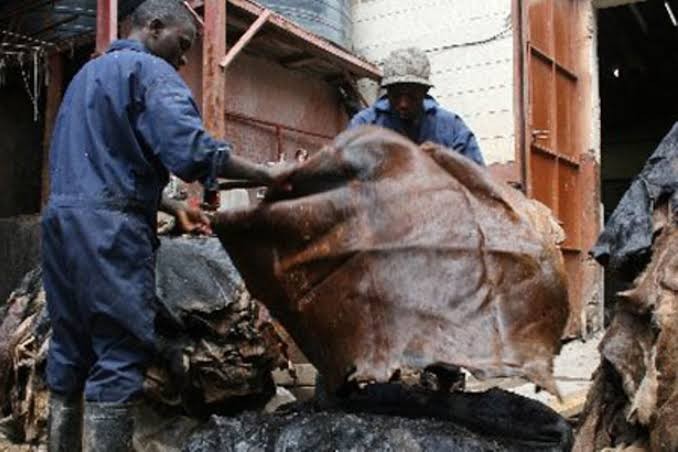
Kenya is considering raising the export levy on raw hides and skins from 50 percent to 80 percent, a proposal in the Miscellaneous Fees and Levies (Amendment) Bill, 2026, which is before the National Assembly’s Budget and Appropriations Committee, in a bid to boost local leather processing, manufacturing and job creation.
The Bill seeks to discourage exports of unprocessed hides and skins and to encourage local production of finished leather, footwear and other leather products. Under the current schedule to the Miscellaneous Fees and Levies Act, most raw hides and skins attract a levy of 50 percent or US$0.32, whichever is higher.
Data from the Parliamentary Budget Office show why the proposal matters. Exports of raw hides and skins rose from Sh15.6 million in 2020 to Sh465.1 million in 2024, nearly a 30-fold increase, with volumes climbing to about 8,974 tonnes. The office has not tied the rise to any single cause, but it points to a sharp growth in unprocessed material leaving the country.
The levy has a long and contested history. Kenya has used an 80 percent rate before, after doubling it from 40 percent to keep raw material at home for local tanneries. Traders have repeatedly argued that high levies are punitive and encourage smuggling, while some processors say illegal exports are what starve local tanneries of supply. In 2022, dealers said eight of 15 tanneries had shut down because of a shortage of raw materials linked to smuggling.
A 2024 discussion paper by the Kenya Institute for Public Policy Research and Analysis found that higher export levies of 50 and 80 percent were associated with broader market reach and stronger competitiveness for Kenyan leather products, compared with the period before the levies were introduced.
Supporters of a higher levy say it would keep more hides in the country to be processed into higher-value goods. Critics warn that a steeper levy could push more hides into illegal channels and hurt livestock keepers and traders who depend on exports, so enforcement may matter as much as the rate itself. Lawmakers will decide whether to approve the change as the Bill moves through the House.