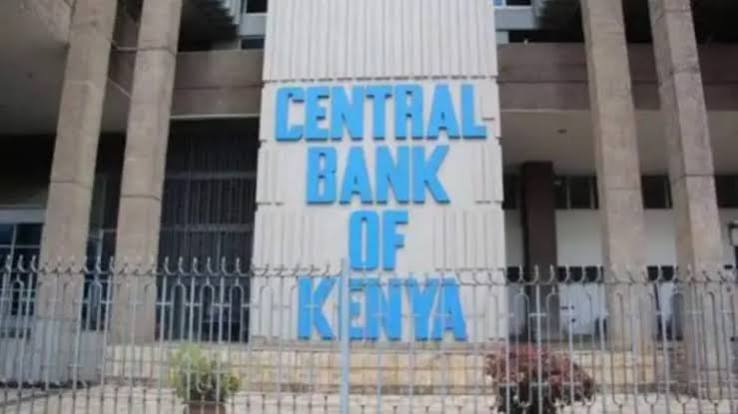
Kenya’s banking sector contributed a record Sh205.58 billion in taxes in 2025, crossing the Sh200 billion mark for the first time as withholding tax collections and other remittances boosted government revenue. The figure represents a 5.53% increase from Sh194.81 billion recorded in 2024, according to the Kenya Bankers Association (KBA).
The findings were released on October 22, 2026, in the 2025 Total Tax Contribution Report prepared by PwC Kenya in collaboration with KBA. The report covered 33 financial institutions, comprising 31 banks and two microfinance institutions, which represented 96.9% of the banking sector’s net assets.
The Sh205.58 billion contribution accounted for approximately 8% of total government receipts. Of this amount, the institutions paid Sh98.36 billion directly in taxes, while Sh107.22 billion was collected from customers, employees and other parties on behalf of the government.
Taxes collected on behalf of the state increased by 13.24% from Sh94.69 billion in 2024, overtaking taxes directly borne by the institutions for the first time since the study began. Meanwhile, direct taxes declined by 1.77% from Sh100.12 billion.
Withholding tax was a major driver of the increase, with collections rising 29.4% to Sh43.95 billion from Sh33.97 billion in 2024. Withholding tax on royalties increased by 159%, while collections on professional fees surged 292%, partly reflecting changes in the tax framework and banks’ spending on technology upgrades.
Corporate income tax remained the largest single component of taxes directly borne by participating institutions, rising 2.06% to Sh70.84 billion from Sh69.41 billion. However, this growth was modest compared with the sector’s 17.63% increase in profit before tax to Sh305.95 billion.
The report attributed part of the difference to increased investment in tax-exempt government securities, which reduced the proportion of profits subject to corporate income tax. Irrecoverable value-added tax also declined by 10.64% to Sh13.65 billion.
Despite the record contribution, banks reported rising costs associated with tax compliance. The average annual compliance cost per institution increased 62.25% to Sh30.99 million in 2025 from Sh19.10 million the previous year.
Participating institutions spent an average of 103 business hours each month on tax compliance and made approximately 45 tax payments monthly. The industry has called for simpler filing procedures, better integration of digital tax platforms and more predictable tax rules to reduce administrative costs.
The report also showed that the banking sector’s total tax contribution more than doubled from Sh99 billion in 2018. Over the same period, its net assets grew to Sh8.35 trillion, while customer deposits reached Sh6.12 trillion.
The findings are likely to inform discussions between the government, the Kenya Revenue Authority and financial institutions on revenue mobilisation, tax administration and the business environment as policymakers consider future tax reforms.