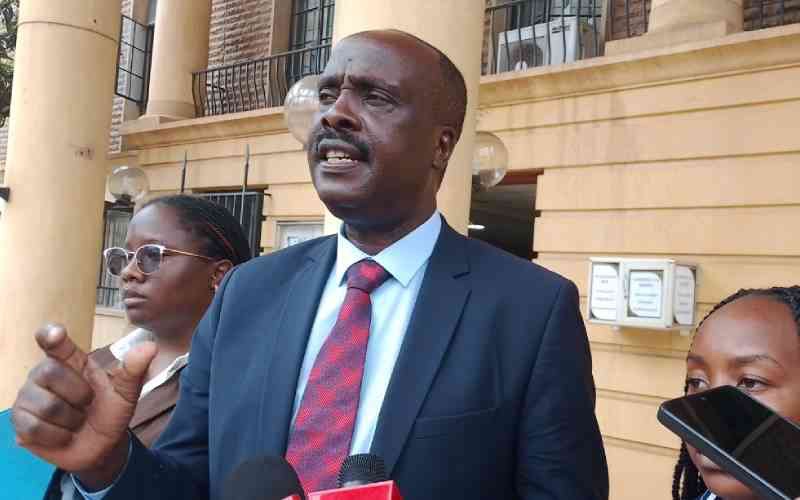
Nairobi Senator Edwin Sifuna has intensified his call for transparency regarding the proposed construction of an oil refinery in Lamu, urging that the agreement be scrutinized through parliamentary channels. In a post on X, formerly known as Twitter, Sifuna emphasized the need for legislative oversight, stating, “Hio agreement kama unataka unajua vile inaulizwa kule bunge,” and added the word “Kasongo,” a term that suggests a call for accountability. This post was accompanied by a formal request for a statement from the Senate Standing Committee on Energy.
The request, dated October 2, 2026, specifically demands the production of all records related to the Dangote refinery project in Malindi. Sifuna invoked Article 35(3) of the Constitution, which guarantees the public's right to access information held by the state. He is particularly interested in understanding the extent of public participation that was conducted prior to the project's approval, including any concerns raised by communities that would be affected by the refinery.
Furthermore, Sifuna is seeking comprehensive details on the project's financing and implementation model. He has questioned how much Kenyan taxpayers will be required to contribute and the sources of these funds. The senator has also called for a value-for-money analysis to ensure that any public investment in the project is justified. Additionally, he demands a list of all beneficial owners of the project and the firms involved in its implementation, underscoring the need for transparency in major infrastructure projects.
Sifuna's demands come in the wake of criticism from President William Ruto, who accused him of attempting to obtain the Dangote agreement outside of parliamentary procedures. During a recent tour of the Coast, Ruto labeled Sifuna an “extortionist” and insisted that the agreement should be accessed through Parliament. Ruto maintained that he would not release the document directly to Sifuna or other opposition leaders, reinforcing the importance of following established legislative processes.
The proposed Lamu refinery project has sparked significant public interest and debate, with concerns about its compliance with constitutional requirements on transparency, accountability, public participation, environmental sustainability, and public finance management. Sifuna's insistence on adherence to these principles highlights the broader issue of ensuring that foreign investments and major infrastructure projects in Kenya are conducted within the legal framework, safeguarding the interests of the public and the environment.