The National Cohesion and Integration Commission (NCIC) has found that remarks made by Kajiado Governor Joseph Ole Lenku over Maasai political representation promoted political exclusion and risked undermining peaceful coexistence, proposing four remedial measures that he must respond to within seven days.
In Determination No. 5 of 2026, dated November 19, the commission said the governor’s remarks portrayed political opponents as adversaries and threatened adverse social consequences for residents who chose alternative political paths.
The findings relate to statements Lenku made on August 22, 2026, during a public political forum in Kajiado County, where he addressed the Maasai community’s representation in political leadership and nomination processes in Kajiado and Narok counties.
During the address, the governor described political parties that nominated candidates from outside the Maasai community for positions he considered to belong to the community as “adui wetu” (our enemies). He also warned that those who chose alternative political paths would “utajipata taabani” (find themselves in difficulty).
The commission said such language introduced an element of coercive social discipline into political participation, potentially alienating residents from other communities in Kajiado, which has a diverse population.
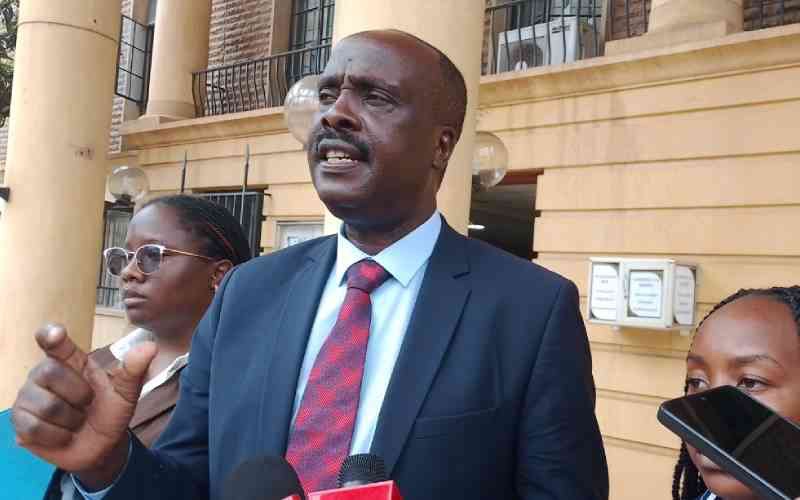
Lenku appeared before the commission on September 17, accompanied by his lawyers and county officials, where he affirmed the factual accuracy of the remarks as read to him.
His legal team, AMA Advocates LLP, argued that he had spoken in his capacity as an elected governor and spokesperson for the Maa community on political positioning, nomination criteria, historical injustices, land dispossession and marginalisation.
They maintained that his remarks concerned political party choices rather than any ethnic community, arguing that expressions such as “adui” and “taabani” referred to political association and electoral competition rather than threats of violence, incitement or ethnic hatred.
However, the commission said historical injustices, marginalisation and demands for effective representation were legitimate subjects of public discussion but did not justify statements that could create an atmosphere of intimidation or exclusion towards other communities.
It further observed that Lenku’s position as an elected governor and senior political leader increased the foreseeable influence and potential impact of his public declarations.
In arriving at its findings, the commission considered the verified transcription of the remarks, the governor’s acknowledgment, submissions from his legal team and the constitutional and statutory framework. It also applied the Rabat Plan of Action, which considers the context, status of the speaker, intent, content, form and likelihood of consequences when assessing potentially harmful speech.
Among the proposed measures, the NCIC wants Lenku to issue an unequivocal public statement committing to pursuing political negotiations and advocacy for community representation through dialogue, inclusivity and respect for the rule of law.
He is also expected to reassure residents that Kajiado remains a peaceful and welcoming county where everyone’s political choices and rights are respected without discrimination or intimidation.
The commission further wants him to give a written undertaking not to describe political opponents, party members or resident communities as enemies or subject them to social or political threats.
The fourth proposal requires him to jointly organise and personally participate in a County Peace and Cohesion Roundtable bringing together community elders, political actors and other stakeholders to promote inter-ethnic harmony and peaceful political participation ahead of the next electoral cycle.
Lenku has seven days from the determination to indicate in writing whether he accepts the proposed terms, rejects them or accepts them subject to suggested variations.
The commission clarified that its findings are administrative, preventive and conciliatory and do not amount to a criminal conviction or a judicial finding of guilt. The proposed measures also carry no criminal punishment.
It said the determination does not restrict the Maasai community or any other group from advocating for political representation, addressing historical injustices or exercising their constitutional rights to freedom of expression, association and political participation.
The NCIC will serve the governor and his legal team with a certified copy of the determination, publish it on its official website and monitor the implementation of any agreed measures.
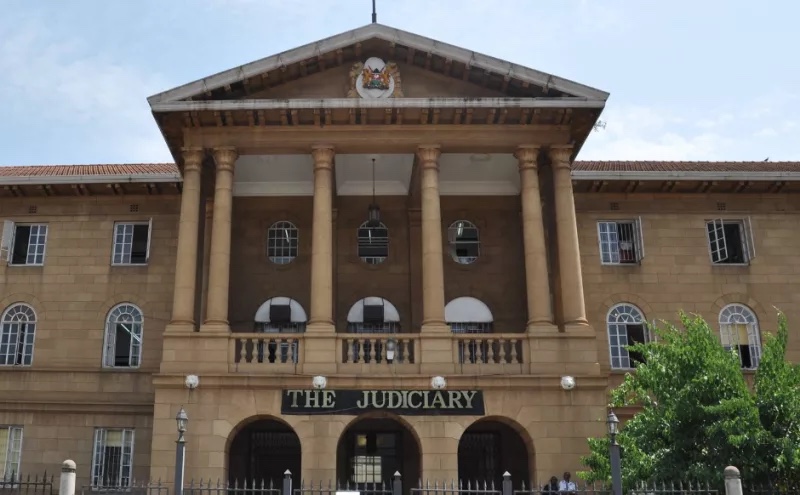
Lenku also retains the right to seek judicial review of the determination before the High Court in accordance with the applicable law.