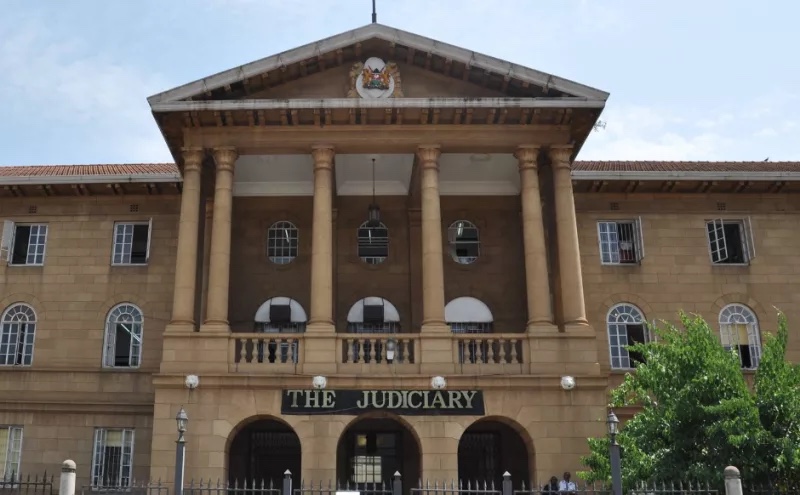
Kenya’s Judiciary resolved more cases than it received for the second consecutive year, recording a 103 per cent case clearance rate in the 2025/2026 financial year. However, nearly 580,000 cases remained pending by the end of June, highlighting persistent challenges in the delivery of justice.
According to the State of the Judiciary and Administration of Justice Annual Report for 2025/2026, courts received 561,580 new cases between July 2025 and June 2026, against 576,702 cases resolved.
The performance means the Judiciary determined 15,122 more cases than were filed during the reporting period, continuing an improvement in its ability to handle incoming disputes while addressing cases carried forward from previous years.
Despite the progress, the total pending caseload stood at 579,954 as of June 30, 2026, representing a 2.5 per cent reduction from the 595,076 cases recorded at the beginning of the financial year.
Of the pending matters, 341,412 had remained unresolved for more than one year, accounting for approximately 58.9 per cent of the total. The figure represents a 15.8 per cent reduction in the backlog following targeted interventions to accelerate the determination of older cases.
However, staffing shortages remain a significant obstacle to further progress. The Judiciary had 8,017 employees against an approved establishment of 12,079, leaving a shortfall of 4,062 personnel and placing its workforce capacity at approximately 66 per cent of the required level.
Court proceedings have also continued to face disruptions through adjournments. The Judiciary recorded 274,478 adjournments during the year, with the absence of witnesses identified as the leading individual cause, accounting for 29,440 postponements.
The challenges come as the institution seeks to expand access to justice across the country, particularly in areas where residents must travel long distances to reach court facilities.
During the reporting period, two new Court of Appeal stations were established in Kakamega and Meru, while five additional magistrates’ courts became operational, bringing their national total to 148.
The number of tribunals under the Judiciary also increased to 28, while the Small Claims Court network expanded to 55 stations.
Nevertheless, at least 101 constituencies still lack magistrates’ courts, leaving geographical access to judicial services a major concern. The Judiciary plans to address the gaps through further expansion of court infrastructure and the use of mobile courts in underserved communities.
Alternative dispute resolution is also gaining ground, with court-annexed mediation extended across all 47 counties to help parties settle disputes without lengthy litigation.
While resolving more cases than it receives marks an important improvement, the remaining caseload demonstrates that increasing the number of cases concluded must go hand in hand with addressing staffing and infrastructure gaps to ensure Kenyans receive timely justice.