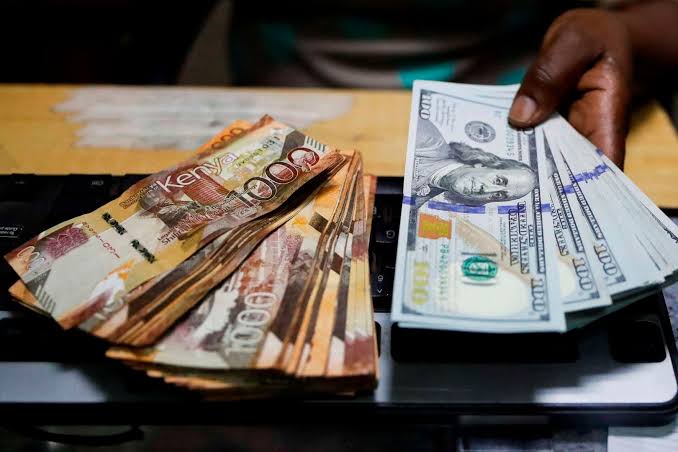
The Kenyan shilling traded at KSh129.92 against the US dollar on Wednesday, October 21, 2026, keeping the currency close to the KSh130 mark as foreign exchange reserves eased and the Central Bank of Kenya (CBK) continued to report stability in the money market. The latest exchange rate was 16 cents weaker than the KSh129.76 recorded on October 5, reflecting a modest depreciation over the period.
In its weekly market update for the week ending October 15, the CBK said the shilling remained stable against major international and regional currencies, trading at KSh129.81 per US dollar compared with KSh129.94 a week earlier. The currency’s movement has remained relatively narrow despite fluctuations in global markets and changing demand for foreign exchange.
Against other major currencies, the shilling weakened against the British pound, which traded at KSh173.76 on October 21, up from KSh171.76 on October 5. However, it strengthened against the euro, which fell to KSh145.82 from KSh146.20, and the Japanese yen, which eased to KSh82.14 per 100 yen from KSh82.26.
The shilling also lost ground against the South African rand, which rose to KSh7.91 from KSh7.79 over the same period. Regional exchange rates showed mixed movements, with one Kenyan shilling buying 32.17 Ugandan shillings and 20.39 Tanzanian shillings, compared with 30.56 and 20.30 respectively on October 5. Against the Rwandan franc, the shilling weakened marginally, with one Kenyan shilling buying 11.35 francs, down from 11.39.
Foreign exchange reserves remain an important buffer against external shocks and help the CBK meet the country’s foreign currency needs. The bank reported reserves of $14.689 billion as of October 15, equivalent to 5.9 months of import cover, above the statutory minimum of four months. However, reserves declined by about $241 million from the $14.93 billion recorded in the week ending October 1.
The domestic money market remained liquid during the review period, while the Kenya Shilling Overnight Interbank Average (KESONIA) held steady at 8.75 per cent. Meanwhile, the US Dollar Index weakened by 0.15 per cent in the week ending October 15, indicating a slight easing in the dollar’s value against a basket of major currencies.
The shilling’s position near KSh130 will remain a key indicator for importers, manufacturers and businesses with foreign currency obligations. A weaker shilling can raise the cost of imported goods and debt repayments denominated in foreign currencies, while a relatively stable exchange rate helps businesses plan their expenditure and manage currency risk.
Market attention will remain on the CBK’s reserve position, global dollar movements and domestic foreign exchange demand as the shilling trades near the psychological KSh130 threshold.