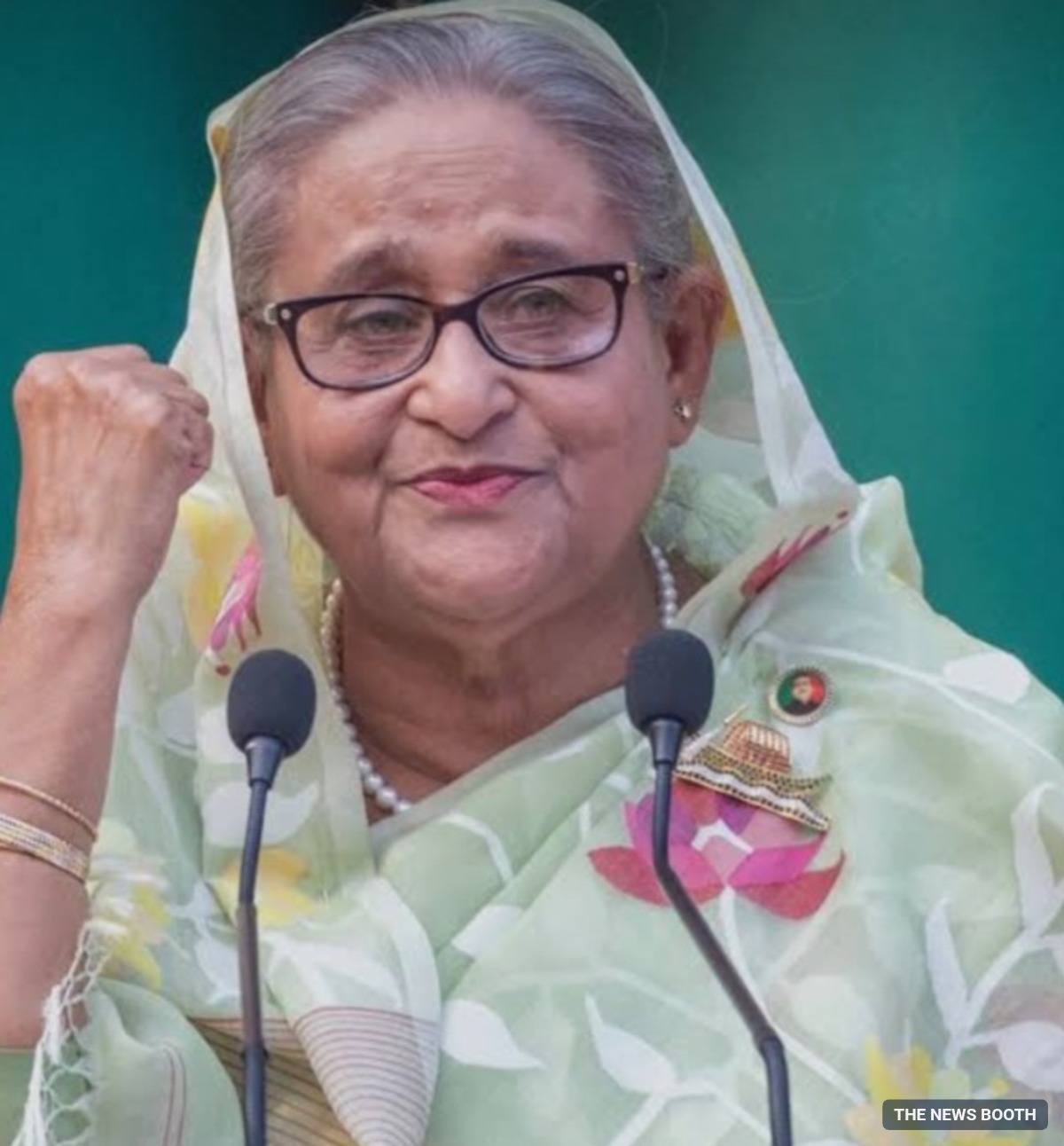
Tensions between India and Bangladesh continue to complicate diplomatic relations as former Bangladeshi Prime Minister Sheikh Hasina remains at the centre of disagreements between the two neighbouring countries.
Hasina, who is currently in India, has continued to influence political discussions in Bangladesh, with her possible return to Dhaka raising concerns over protests, political confrontation and the future of relations between the two countries.
According to foreign policy analyst Sreeram Chaulia Paliwal, India appears to have accepted that relations with Bangladesh may remain strained regardless of the steps it takes. He argues that New Delhi has the ability to restrict Hasina from making political statements while on Indian soil but may have little interest in exercising that influence.
Paliwal also believes India does not want the Awami League, Hasina's political party, to be permanently excluded from Bangladeshi politics.
He argues that the party continues to enjoy support in parts of Bangladesh and remains connected to the country's political and social structures.
"The political party still enjoys pockets of support across Bangladesh and is weaved into the social and political fabric of the country," Paliwal said.
He added that rehabilitating the Awami League through political reconciliation would serve the long-term interests of both countries.
However, that position is increasingly facing opposition in Dhaka, where concerns remain over India's handling of several outstanding issues.
Bangladeshi political observers have questioned whether India has done enough to rebuild trust, particularly over Hasina's extradition, the renewal of transit facilities for Bangladeshi garment exporters and the future of the Ganges water treaty, which is approaching expiry.
According to Dhaka-based analyst Alam, India has so far resumed only tourist and medical visas, while other areas of cooperation remain unresolved.
A foreign policy expert based in Dhaka, who spoke anonymously, described the relationship between the two countries as being trapped in mutual frustration.
The expert said Hasina remained a major obstacle to improving relations but argued that both countries needed to find a way to move beyond her political influence.
Paliwal believes one possible solution would involve Hasina returning to Bangladesh to face a fresh trial, while the Awami League is allowed to rebuild under different operational leadership.
He argues that such an arrangement could restore some political balance in Bangladesh while allowing India to protect its long-term interests in the country.
Meanwhile, attention is turning to December 16, a date associated with Hasina's proposed return, although no confirmed travel plans have been announced.
The possibility of her return has already heightened political anxiety in Dhaka, with concerns that the period could be marked by demonstrations and confrontations among opposing groups.
A foreign policy expert warned that December could become chaotic as supporters and opponents of Hasina react to developments surrounding her proposed return.
However, Pearl Pandya, a South Asia analyst at the Armed Conflict Location and Event Data project (ACLED), said Hasina was unlikely to return because she could face a death sentence.
Pandya noted that despite the uncertainty surrounding her return, Hasina's comments had already galvanised her supporters.
The continuing disagreement is also affecting efforts to restore cooperation between India and Bangladesh. Paliwal argues that meaningful negotiations may only resume once Hasina returns to Dhaka or the Bangladeshi government agrees to re-engage under pressure.
For now, her political future remains closely linked to the strained relationship between the two countries, with both governments facing difficult decisions over reconciliation, political stability and diplomatic cooperation.