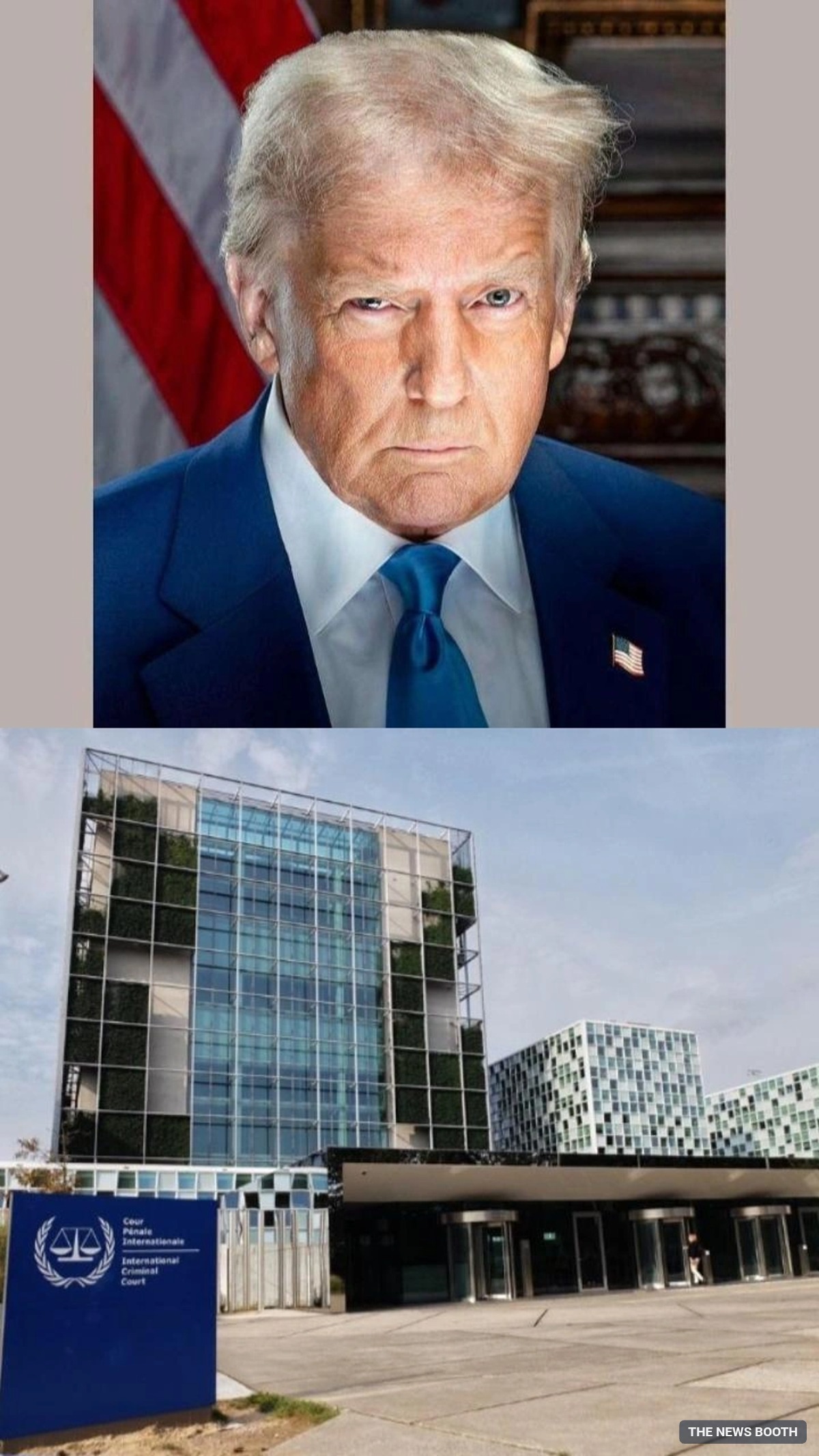
The United States has announced fresh sanctions against the International Criminal Court (ICC), escalating its opposition to the international tribunal over concerns about its authority and jurisdiction over American citizens.
In a statement issued by the US Department of State, the administration of President Donald Trump said the latest action was aimed at protecting American sovereignty and shielding US citizens from what it described as threats posed by the court.
The department said the ICC had been designated under Executive Order 14203, titled Imposing Sanctions on the International Criminal Court, which provides the legal framework for Washington's sanctions against the institution.
The latest move adds to previous measures taken against individuals linked to the court, with the US government revealing that it has so far imposed sanctions on 17 people under the executive order.
Alongside the designation, the US Department of the Treasury has issued four general licences allowing specific activities involving the ICC to continue despite the sanctions.
One of the licences will remain in effect for 180 days and permits certain transactions necessary for maintaining the court's operations. The US government said the temporary arrangement is intended to give member states time to make meaningful progress towards diplomatic and legal solutions to concerns raised by Washington.
The remaining licences cover information technology-related services, including cloud computing and software support, activities connected to the ICC pension plan, and matters involving individuals detained by the court.
The State Department said the 180-day arrangement could be reviewed or adjusted depending on whether efforts to address American concerns produce satisfactory results.
Under the sanctions, all property and financial interests belonging to the ICC within the United States, or held by American individuals and entities, will be blocked and must be reported to the Treasury Department's Office of Foreign Assets Control (OFAC).
The restrictions also prohibit American citizens and businesses from engaging in transactions involving blocked property unless they fall under an exemption or have been authorised through a general or specific licence.
The prohibitions extend to the provision of funds, goods and services to or for the benefit of the sanctioned institution.
However, affected parties seeking removal from the US sanctions list have been advised to submit petitions to the Treasury Department through its designated reconsideration process.
Defending the decision, Washington maintained that it is not a signatory to the Rome Statute, the treaty that established the ICC, and has never accepted the court's jurisdiction over American citizens.
The US government argued that its domestic judicial system is capable of investigating and holding its citizens accountable without the involvement of an international tribunal.
The latest announcement reflects the Trump administration's continued resistance to the ICC's authority, particularly where its actions are perceived by Washington as interfering with American sovereignty.
The department also urged countries to pursue diplomatic and legal engagements to address the dispute, insisting that no international institution should exercise authority over sovereign nations without their consent.