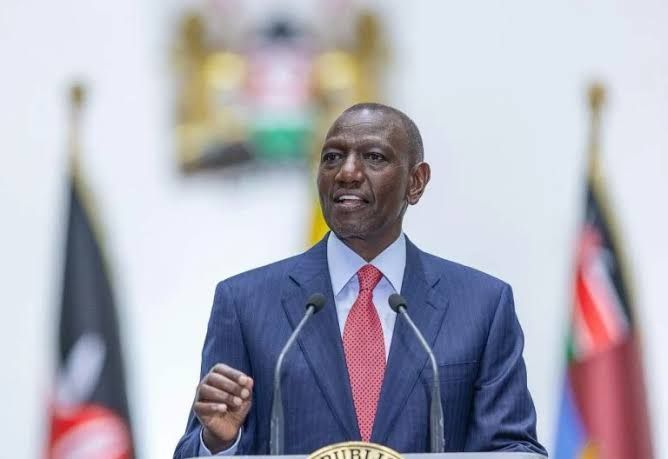
President William Ruto has taken decisive steps to reassure foreign investors that Kenya remains a stable and attractive investment destination within Africa. In a bid to bolster confidence among international capital providers, Ruto has pledged greater policy certainty and introduced new protections against regulatory unpredictability. This strategic move comes at a time when Kenya is keen on rebuilding investor confidence amid recent concerns over business conditions and governance issues.
Speaking in Nairobi, President Ruto unveiled his Investment Gateway Strategy, positioning Kenya as Africa's premier investment gateway. He highlighted the country's strategic location, well-developed infrastructure, and skilled workforce as key advantages. Ruto emphasized his administration's commitment to fostering a more predictable policy environment, which he believes is crucial for encouraging long-term foreign capital inflows. Acknowledging the concerns raised by international investors regarding regulatory consistency and operational clarity, Ruto outlined a series of measures aimed at strengthening investor protections and streamlining approval processes for foreign-backed projects.
Among the key pledges made to foreign investors are commitments to greater policy predictability and the establishment of transparent regulatory frameworks. Ruto also promised new safeguards against sudden regulatory changes and a streamlined approval process for foreign investment projects. These commitments are designed to ensure stable business operating conditions, which are vital for attracting and retaining foreign direct investment.
Foreign direct investment plays a critical role in Kenya's economic growth and job creation. Investor confidence directly influences capital flows into various sectors, including technology, manufacturing, agriculture, and tourism. In recent times, policy uncertainties had led some international firms to reassess their operations in Kenya or delay expansion plans. Ruto's assurances signal the government's recognition that regulatory stability is essential for competing with regional peers like Rwanda, Uganda, and Ethiopia for foreign capital.
Looking ahead, the government is expected to detail specific regulatory reforms and investor protection mechanisms in the coming weeks. The success of Ruto's strategy will largely depend on how swiftly these commitments are translated into concrete policy changes and legislative action. The ability to deliver on these promises will be crucial in restoring and enhancing foreign investor confidence in Kenya, ensuring the country remains a leading destination for investment in Africa.