
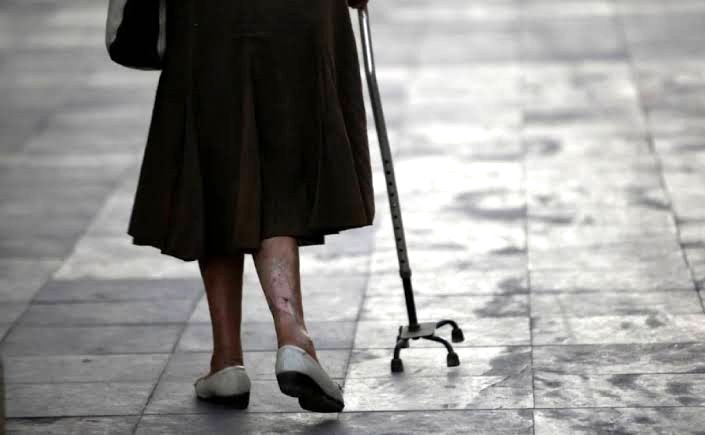
At least one in six people aged 60 years and above experiences some form of abuse every year, raising concerns about the safety, dignity and welfare of older people in homes and care institutions.
The World Health Organization (WHO) estimates that 15.7 per cent of older adults living in community settings experienced abuse within a one-year period, according to a 2017 review of 52 studies conducted across 28 countries.
The findings highlight the scale of a problem that often remains hidden within families, communities and institutions entrusted with protecting older people.
Elder abuse refers to a single or repeated act, or the failure to take appropriate action, within a relationship where there is an expectation of trust, resulting in harm or distress to an older person.
The abuse can take different forms, including physical violence, sexual abuse, psychological and emotional mistreatment, financial exploitation, neglect, abandonment and violations of personal dignity.
The problem is also prevalent in institutional settings, including nursing homes, hospitals and long-term care facilities.
A review of studies examining abuse in such institutions found that 64.2 per cent of staff reported perpetrating some form of abuse against older people within the preceding year.
Psychological abuse was among the most frequently reported forms of mistreatment in community settings, affecting an estimated 11.6 per cent of older adults. Financial abuse accounted for 6.8 per cent, while neglect affected 4.2 per cent.
Physical abuse was reported by 2.6 per cent of older adults, while sexual abuse affected an estimated 0.9 per cent.
The consequences can be severe, extending beyond immediate physical injuries to include depression, cognitive decline, financial losses, social isolation and premature death.
Older people may also take longer to recover from abuse because of existing health challenges, disabilities or dependence on others for daily care.
Risk factors include poor physical or mental health, cognitive impairment, disability, financial vulnerability and dependence on caregivers. Perpetrators may also be influenced by mental health challenges, substance abuse or financial dependence on the older person.
The COVID-19 pandemic further exposed the vulnerability of older people, with emerging evidence indicating an increase in abuse in both community and institutional settings. A study in the United States suggested that community-based elder abuse may have increased by as much as 84 per cent during the pandemic.
The challenge is expected to grow as populations age worldwide.
According to WHO projections, the global population aged 60 years and above will increase from 900 million in 2015 to approximately two billion by 2050.
If the prevalence of abuse remains unchanged, the number of older people affected could reach about 320 million by 2050.
WHO has identified several measures to address the problem, including combating age discrimination, improving data collection, expanding cost-effective prevention programmes and investing in support services.
Recommended interventions include caregiver support programmes, financial management assistance for older adults vulnerable to exploitation, helplines, emergency shelters and coordinated responses involving healthcare providers, social services and law enforcement agencies.
The organisation has also called for increased funding and greater public awareness to ensure that elder abuse receives the attention it deserves.
As countries prepare for rapidly ageing populations, protecting older people will require stronger safeguards, better support for caregivers and greater recognition of the rights and dignity of older members of society.


