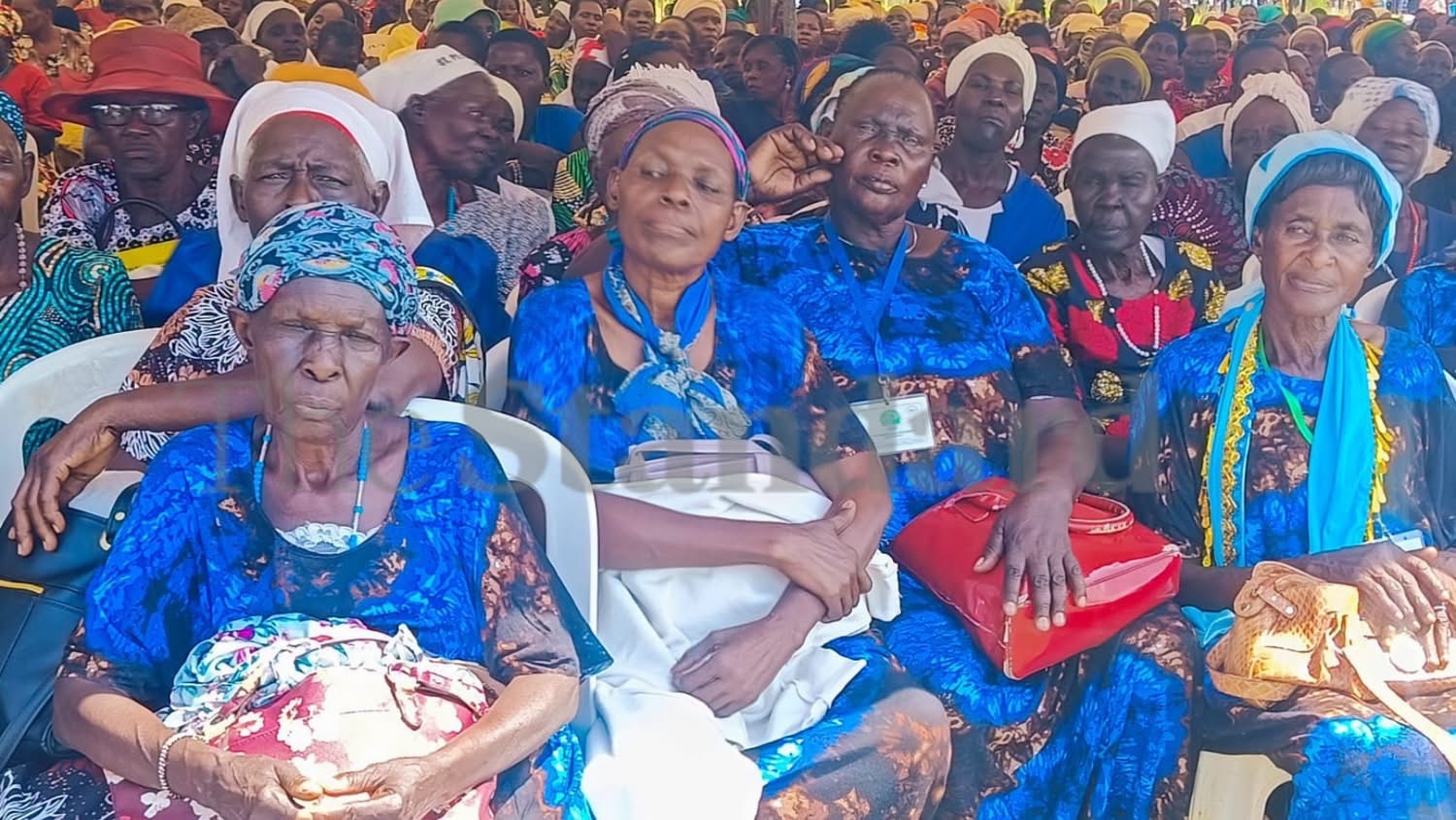
In the heart of Kaimosi, a small town nestled in the lush landscapes of western Kenya, the Quaker community is redefining the traditional norms of worship with vibrant and spirited gatherings that resonate with music and dance. This transformation marks a significant departure from the customary silence associated with Quaker meetings, where quiet reflection and contemplation have long been the hallmarks of their services. Instead, the Kaimosi Quakers have embraced a lively worship style that incorporates spirited hymns and modern musical instruments, creating an atmosphere filled with energy and enthusiasm.
The Quaker meeting house in Kaimosi has become a central hub for this distinctive expression of faith, drawing in a growing number of participants eager to experience this dynamic form of worship. Particularly notable is the enthusiastic participation of women, who engage joyfully through dance and clapping, adding to the vibrant tapestry of the service. This lively scene presents a stark contrast to the usual quietness found in Quaker practices elsewhere, showcasing how the faith has adapted and integrated into the local culture.
Kenya is home to one of the largest Quaker populations in the world, underscoring the religion's significant expansion and influence in the region. The Kaimosi community's approach to worship not only upholds core Quaker principles such as simplicity, peace, integrity, community, equality, and stewardship but also incorporates local cultural elements. This fusion makes the faith more relatable and engaging for its members, fostering a deeper connection to their spiritual practices.
Beyond being a mere expression of religious devotion, this animated style of worship cultivates a strong sense of community and belonging among its followers. It exemplifies a broader trend of religious adaptation, where faith practices evolve in response to local cultural influences. As the Quaker community in Kenya continues to flourish, its unique worship practices may serve as an inspiration to other religious groups in the area, encouraging them to explore more expressive forms of worship.
The blending of music and dance into religious services could signal a shift towards more dynamic and inclusive forms of worship, reflecting the diverse cultural landscape of the region. This evolution in worship practices highlights the adaptability of religious traditions and their capacity to resonate with contemporary congregations, ensuring their relevance and vitality in a rapidly changing world.