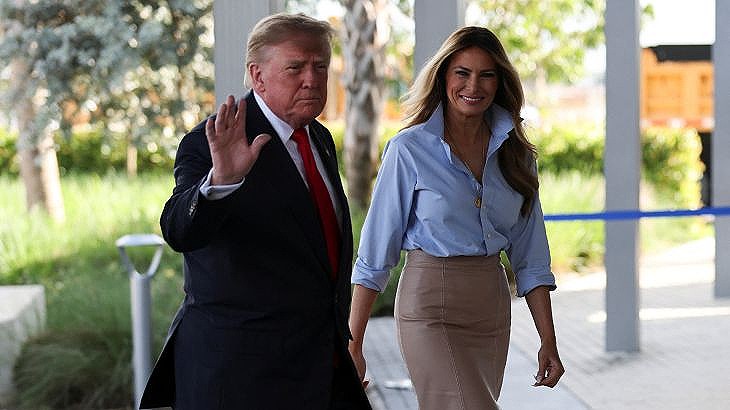
A localised ceasefire between Russia and Ukraine has taken effect around the Russian-occupied town of Oleshky, in southern Ukraine, following diplomatic efforts involving US First Lady Melania Trump and representatives from both countries.
Melania announced on Tuesday, October 27, 2026, that the ceasefire began at 4am Moscow time, two days ahead of the previously planned schedule, to protect civilians and facilitate the delivery of urgently needed humanitarian assistance.
She said the geographical scope of the truce had also been expanded beyond Oleshky, in the Kherson region, to provide safe passage for humanitarian convoys.
The start was brought forward by two days to ensure civilian safety and facilitate the delivery of critical humanitarian aid, Melania said, adding that the expanded area would allow humanitarian convoys to move safely.
The commencement of the ceasefire was confirmed by General Valery Gerasimov, Chief of the General Staff of the Russian Armed Forces, who announced that Russian forces would halt fire in the area to facilitate the humanitarian operation. Ukrainian officials also confirmed that the truce had taken effect.
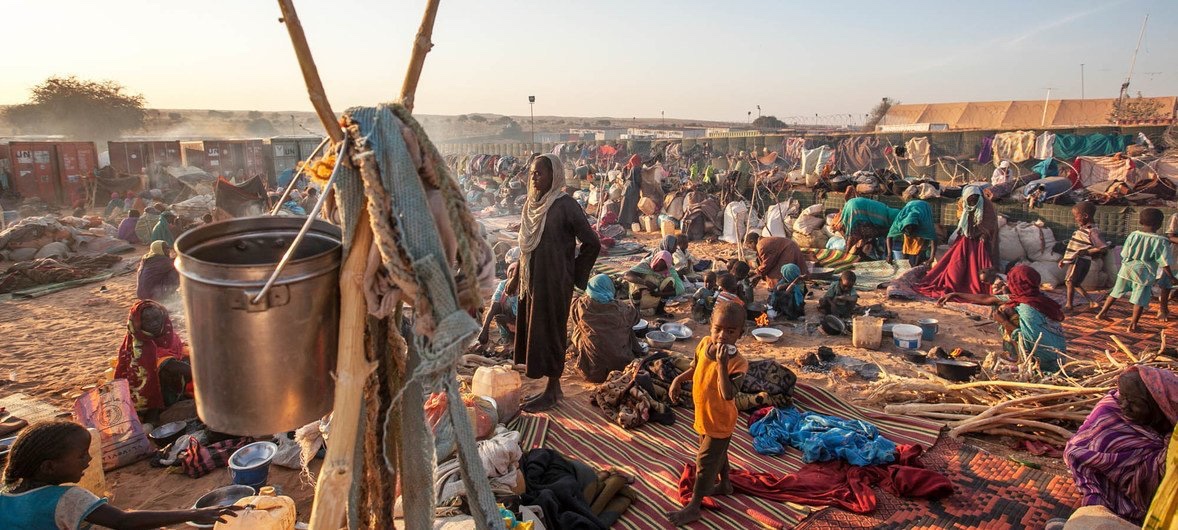
The agreement aims to facilitate the delivery of food, medicine, clean water and other essential supplies to residents trapped in the frontline town, while creating safe passage for civilians wishing to leave.
Oleshky, which was home to approximately 24,000 people before Russia's full-scale invasion of Ukraine in February 2022, has been under Russian occupation since the early days of the war. The remaining population is estimated at between 1,700 and 2,000 people, many of them elderly residents facing shortages of food, medicine, electricity and heating.
In announcing the agreement last week, Melania described the situation in Oleshky as dire, warning that the frontline town was on the brink of disaster.
She said the remaining residents urgently needed medical attention, medicine, food and clean water, adding that damaged infrastructure, mined roads and continuing military attacks had made their situation increasingly dangerous.
The First Lady said she and her representative had worked directly with Russian and Ukrainian leadership to establish the terms of the temporary ceasefire, including arrangements for humanitarian access and civilian evacuations.
Under the agreement, civilian representatives from both countries are expected to visit residents to assess their needs. Those wishing to leave will receive coordinated assistance and transportation to their preferred destinations, whether in Russia or Ukraine. An American media organisation is also expected to document the humanitarian operation.
US President Donald Trump welcomed the initiative, praising his wife's efforts to facilitate the agreement.
“They contacted both sides, and both sides wanted to do it,” Trump said, referring to the efforts to secure the temporary truce. He added that Melania's focus remained on helping children affected by the war.
The agreement follows wider diplomatic efforts involving Washington, Moscow and Kyiv to address humanitarian concerns and revive negotiations aimed at ending the conflict.
However, the ceasefire is limited in geographical scope and does not represent a broader agreement to end the war. Fighting has continued elsewhere in Ukraine, underscoring the challenges facing efforts to secure a comprehensive settlement.
The immediate test for the agreement will be whether both sides maintain the truce long enough to allow humanitarian supplies to reach vulnerable residents and enable civilians to evacuate safely.