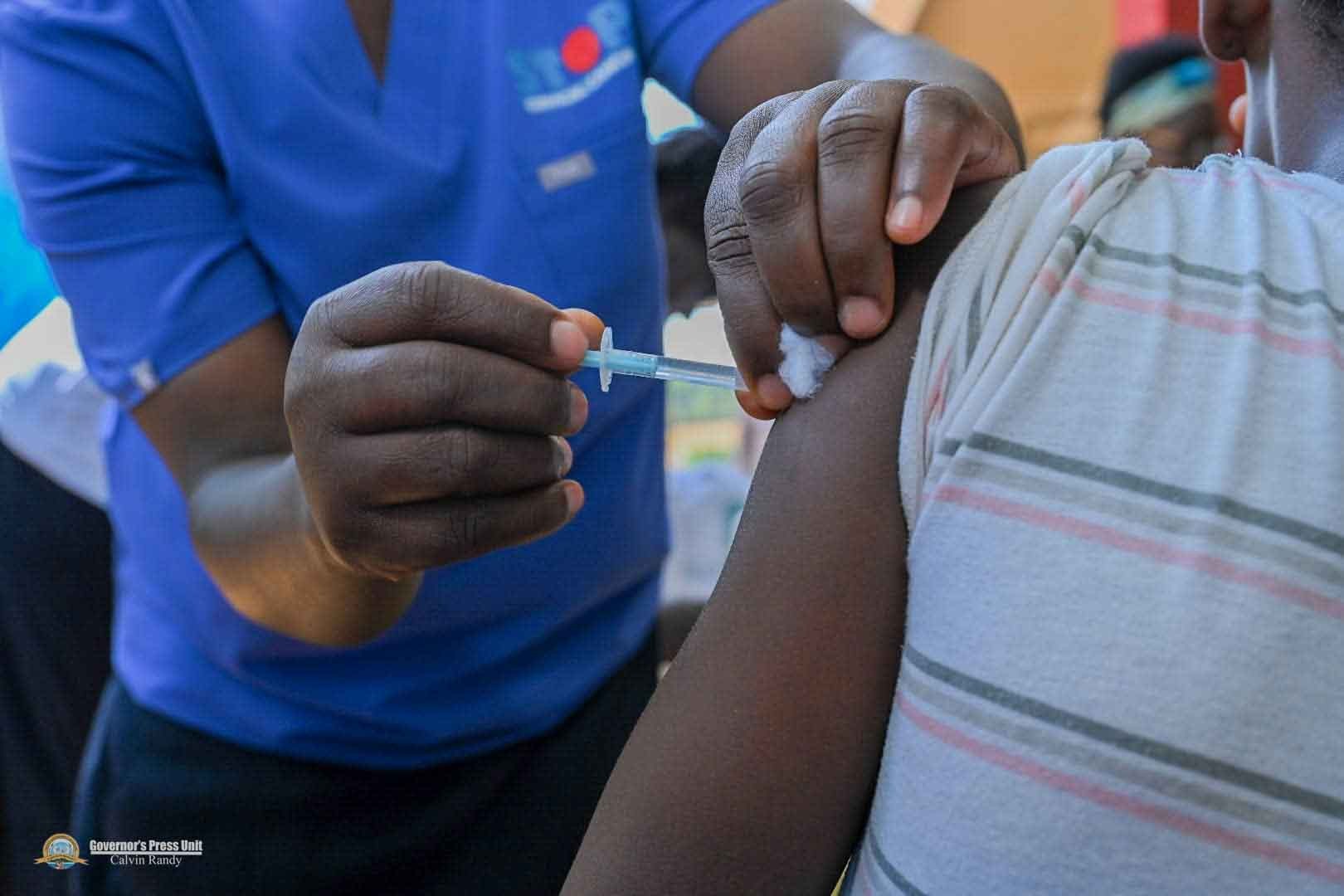
Kisumu Governor Anyang’ Nyong’o says the county has increased Human Papillomavirus (HPV) vaccination coverage among eligible girls from 16 per cent in 2022 to 90 per cent by August 2026, in a campaign aimed at preventing cervical cancer.
Nyong’o said the progress marked a significant milestone in the county’s public health efforts, noting that vaccination was helping protect girls against a virus responsible for most cases of cervical cancer.
In a statement reflecting on the county’s vaccination programme, the governor highlighted the toll cancer continues to take on Kenyan families, describing prevention as a critical intervention in reducing deaths associated with the disease.
“Behind these numbers are mothers, sisters, daughters, wives and families whose lives are permanently changed,” Nyong’o said, pointing to the need for sustained efforts to prevent cancers that can be avoided through vaccination and early intervention.
The governor noted that cancer is the third-leading cause of death in Kenya, adding that thousands of families continue to lose loved ones to the disease every year.
He said the Kisumu County government had worked with parents, parents’ associations, headteachers and the Ministry of Education to improve HPV vaccine uptake among eligible girls.
According to Nyong’o, the programme has gone beyond vaccination, with health teams also linking children and families to nutrition services, HIV care, adolescent health services and disability assessments.
The involvement of schools and communities has been central to the campaign, helping health workers reach eligible girls and address barriers that could prevent them from accessing preventive healthcare.
Nyong’o cited Rwanda as an example of what can be achieved through sustained political leadership and coordinated action between health workers, schools and communities.
Rwanda introduced its national HPV vaccination programme in 2011 and recorded coverage of more than 93 per cent among eligible girls, according to figures cited by the Kisumu governor. Its school-based approach has helped expand access to vaccination, including for children who might otherwise face geographical and economic barriers to healthcare.
The governor said Rwanda’s experience demonstrated that African countries could make significant progress towards eliminating cervical cancer through sustained prevention programmes.
He expressed optimism that Kisumu could build on the gains achieved so far by maintaining high vaccination coverage and strengthening community participation.
For Nyong’o, the impact of the programme will ultimately be measured by the number of women spared cervical cancer and the families protected from the loss of loved ones.
He said the objective was not simply to improve vaccination statistics but to protect an entire generation from a preventable disease.
“We are not simply vaccinating girls, but trying to protect a generation. We shall overcome!” he said.
The county’s reported increase in coverage from 16 per cent to 90 per cent represents a 74-percentage-point rise in four years, according to the figures provided by the governor.
Health experts have consistently emphasised the importance of HPV vaccination, particularly before exposure to the virus, alongside screening and timely treatment for cervical cancer.
The progress reported in Kisumu comes as Kenya continues to pursue interventions aimed at reducing the burden of cervical cancer, which remains a major public health concern for women.
Maintaining vaccination coverage, strengthening public awareness and ensuring access to screening and treatment will remain important in translating the gains into fewer cervical cancer cases and deaths in the years ahead.