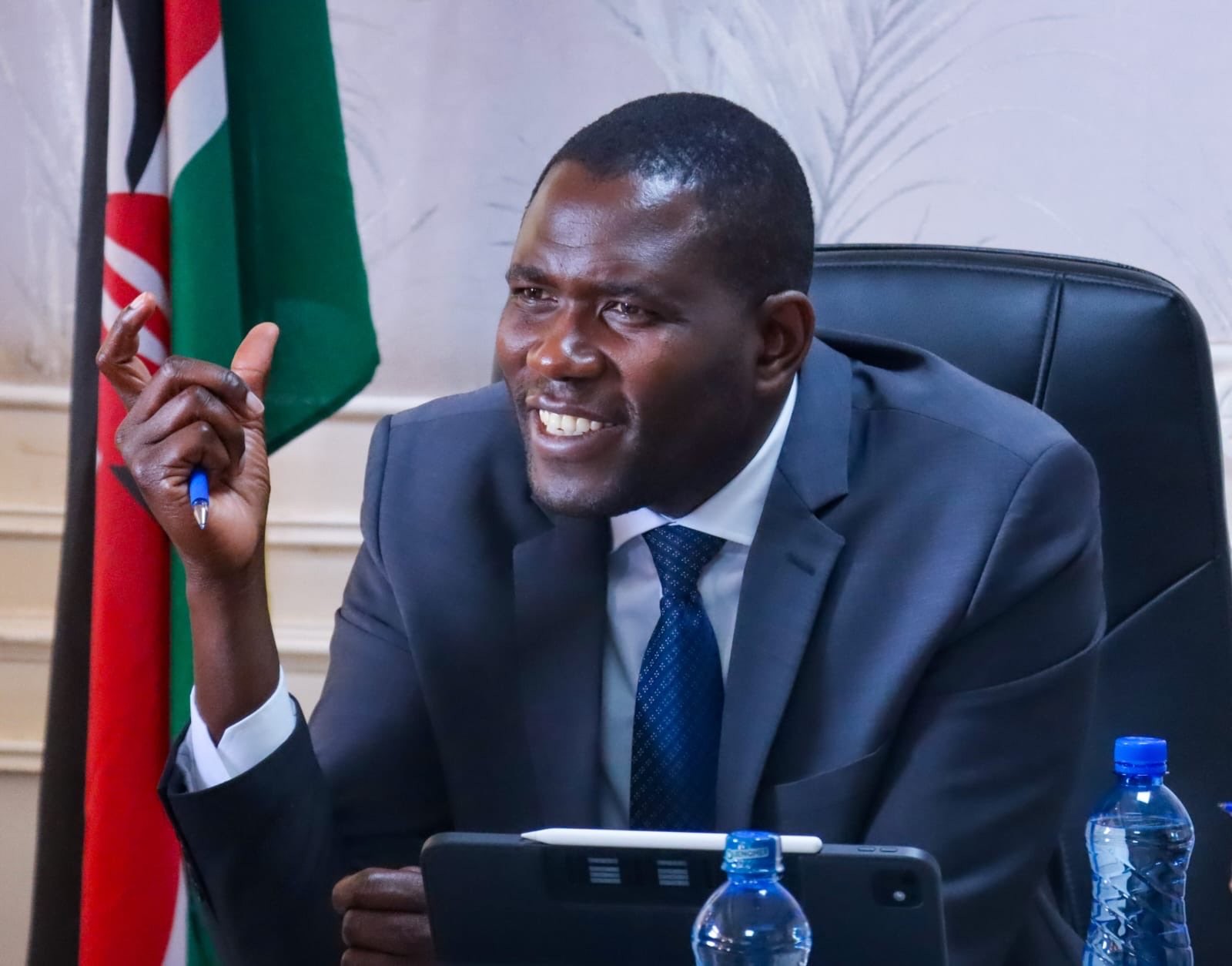
Principal Secretary for Medical Services Dr Ouma Oluga has called for tighter oversight and faster implementation of Kenya’s Healthcare IT Digitization Programme, saying the investments must translate into improved services for patients and healthcare workers.
Oluga made the call during a meeting of the programme’s Steering Committee at Afya House, where government agencies and private sector partners reviewed progress in the digital transformation of the health sector.
The meeting brought together representatives of the Safaricom Consortium, the Digital Health Authority (DHA), the Social Health Authority (SHA), the Kenya Medical Supplies Authority (KEMSA) and other implementing agencies involved in the Universal Health Coverage (UHC) Digital Transformation Programme.
Discussions focused on the progress made so far, outstanding targets and measures needed to improve coordination and ensure planned activities are completed within the agreed timelines.
Oluga outlined four priority areas that will guide the next phase of implementation, beginning with greater accountability among subcontractors to ensure they fulfil their contractual obligations.
He also called for improved monitoring of project expenditure and investments, saying better visibility would strengthen transparency and support the responsible use of public funds.
The third priority involves speeding up the installation of infrastructure, information and communication technology (ICT) equipment and digital systems.
Oluga stressed that the rollout must also focus on ensuring the systems are stable and reliable once deployed.
The fourth area is ensuring that the programme delivers practical benefits to health facilities, medical personnel and members of the public rather than simply increasing the number of digital systems installed.
The Principal Secretary emphasised that achieving these objectives would require closer cooperation between technical teams, project managers and the agencies responsible for implementing the programme.
He further said stronger coordination and monitoring would be essential in addressing implementation challenges, tracking progress and ensuring that agreed milestones are met.
The Ministry of Health reaffirmed its commitment to working with the various partners involved in the programme to improve delivery and maximise the value of public investments in digital health.
The Healthcare IT Digitization Programme is a key component of the government’s Taifa Care agenda, which seeks to use technology to improve the delivery of healthcare services and support the achievement of Universal Health Coverage.
Digital systems are intended to strengthen the way health services are managed and delivered across facilities, making the successful implementation of the programme important to the wider transformation of the health sector.
However, Oluga’s remarks place emphasis on ensuring that the investments are matched by effective implementation, clear accountability and reliable systems that meet the needs of healthcare providers and patients.
The next phase will therefore focus on improving oversight, strengthening cooperation among implementing agencies and ensuring that the programme’s targets translate into measurable improvements in healthcare delivery.