Machakos Deputy Governor Francis Mwangangi has urged the national government to take urgent measures to lower fuel prices and ease the cost of living, warning that rising energy costs are placing additional pressure on households. Speaking during a press briefing on Tuesday, October 20, 2026, as Kenya marked Mashujaa Day, Mwangangi said citizens could not fully celebrate their contributions to the country while struggling to afford basic necessities.
Mwangangi said every Kenyan deserved recognition for contributing to the country's development, arguing that individual efforts collectively move the nation forward. However, he warned that rising fuel prices were undermining efforts to improve livelihoods and making everyday expenses increasingly difficult to manage.
“Every Kenyan should be a hero and is a hero because they contribute in one way or another to moving Kenya forward. As you move forward as a Kenyan, Kenya moves forward,” Mwangangi said.
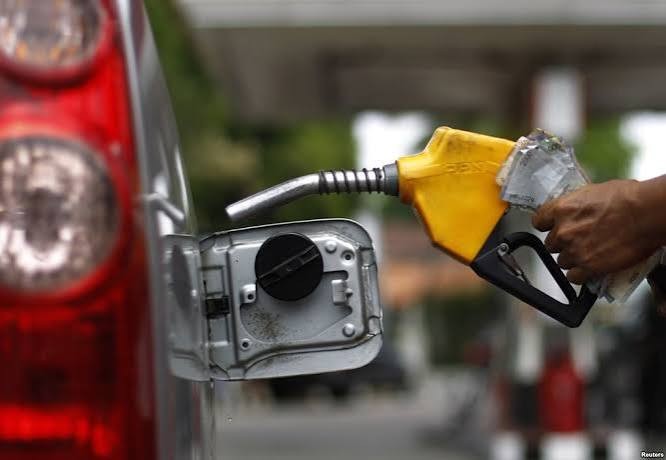
The deputy governor called on the government to mobilise resources from available sources to fulfil its commitment to reducing fuel prices and easing the financial burden on citizens. He cautioned against waiting for anticipated additional fuel supplies before taking action, saying Kenyans needed immediate intervention to address the rising cost of living.
Fuel prices have implications beyond what motorists pay at petrol stations. Higher transport costs can increase the expense of moving agricultural produce from farms to markets, distributing manufactured goods and delivering essential commodities to retailers, potentially pushing up prices for consumers.
Mwangangi said lowering fuel prices would help ease these pressures by reducing transport and production expenses. He warned that continued increases could further worsen the financial difficulties facing households already struggling to meet everyday needs.
The deputy governor also called for adequate funding for county governments to strengthen agricultural production and support farmers. He argued that properly resourced devolved administrations would be better positioned to help farmers increase food supplies and improve availability across the country.
Greater support for agricultural production could help address food security challenges, although the impact would depend on the resources allocated and the effectiveness of county-level programmes. Measures supporting farmers would also need to account for other production costs, including inputs, labour and transportation.
Mwangangi's remarks coincided with Mashujaa Day, the annual national holiday honouring Kenyans who have contributed to the country's liberation and development. He argued that the occasion's message of recognising national service would be undermined if citizens continued facing difficulties affording basic goods and services.
The government now faces renewed calls to demonstrate how it intends to address fuel costs and household affordability. Kenyans will be watching for further policy measures on fuel pricing, additional supply arrangements and funding for county agricultural programmes as pressure over the cost of living continues.