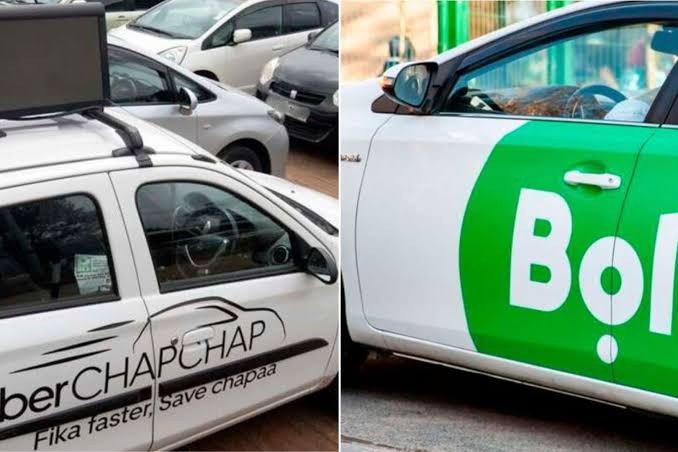
Ride-hailing platforms Bolt and Uber are expanding subscription-based services in Kenya, offering regular customers benefits such as ride cashback, priority driver matching, discounts and food delivery savings as they seek to strengthen customer loyalty and reduce switching between competing applications. The strategy allows users to pay a recurring fee in exchange for benefits across transport and delivery services.
Bolt launched its Bolt Plus subscription in Kenya on October 15, 2026, introducing a standard monthly fee of KSh 280 and an annual plan priced at KSh 899. The company is also offering new subscribers their first month free, alongside an introductory monthly rate of KSh 119 for the first six months.
Under Bolt Plus, customers can receive cashback on eligible rides, free delivery on qualifying food and retail orders, priority driver matching and three free ride cancellations each month. The platform says eligible delivery orders can generate savings of up to KSh 200 per order, depending on the applicable conditions.
Bolt Food General Manager for Kenya Ivy Njeri Maingi said the subscription was designed around the everyday needs of customers who regularly use the company's ride-hailing and delivery services. The offering brings transport, food and retail benefits together under one membership.
Uber has also established a subscription model in Kenya through Uber One, which was introduced in the market in March 2025. The service offers benefits on eligible rides and food orders, including cashback or discounts, delivery savings and member-only promotions.
Uber One costs KSh 280 per month or KSh 2,800 annually, according to local reporting. Its benefits are subject to eligibility requirements, including qualifying ride categories and food-order conditions, meaning actual savings depend on how frequently customers use the platform.
The subscription approach reflects a wider shift in the digital services market, where companies are seeking predictable recurring revenue while encouraging customers to make more transactions through their platforms. Rather than competing solely on individual fares or delivery charges, companies can use memberships to reward frequent users and offer incentives for continued engagement.
For customers, the financial benefit depends on whether the value of cashback, waived delivery fees and other eligible perks exceeds the membership cost. Occasional users may save less than frequent riders and customers who regularly order food or groceries.
For the companies, subscriptions may encourage customers to remain within one digital ecosystem instead of comparing prices across several applications for every journey or order. However, membership benefits do not necessarily guarantee lower overall spending, particularly if customers make additional purchases to take advantage of offers.
The next measure of success will be whether subscribers continue paying after introductory promotions expire and increase their use of the services. Adoption rates, renewal levels and the frequency of eligible rides and deliveries will help show whether the subscription model can build lasting customer loyalty in Kenya's competitive digital transport market.