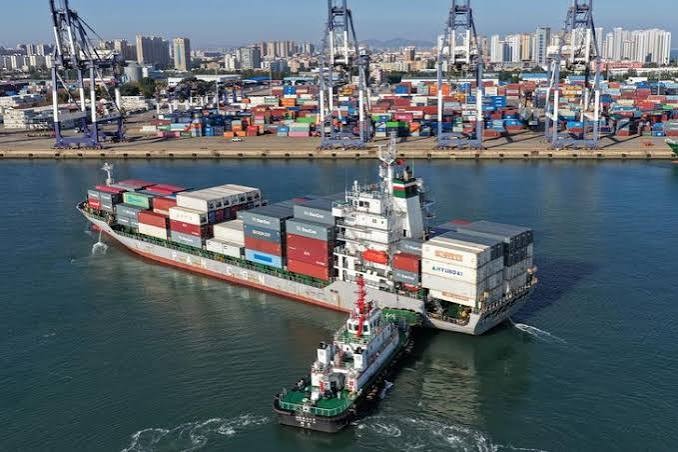
The Kenya Ports Authority (KPA) is preparing to invite private investors to rehabilitate, operate and maintain selected facilities at the ports of Mombasa and Lamu under a proposed Sh129 billion investment programme aimed at modernising port infrastructure and improving operational efficiency. The plan will use public-private partnerships (PPPs), allowing private operators to manage the facilities while KPA retains ownership of the port assets.
The National Treasury’s Public Private Partnership unit approved the feasibility report for the first phase of the concession programme in August 2026, paving the way for the projects to proceed to tender. The initial phase covers four assets across the two ports, according to a report by Business Daily published on October 16, 2026.
The proposed concessions include berths 11 to 14 at the Port of Mombasa, Container Terminal 1 at Mombasa, container berths 1 to 3 at the Port of Lamu and the Lamu Special Economic Zone. Maritime & Transport Business Solutions is serving as transaction adviser for the proposed concessions.
Under the arrangement, selected private operators would be responsible for improving and managing the facilities under agreed contractual terms. KPA would retain ownership, separating the management of the assets from their public ownership.
The proposed investment comes as Kenya seeks to strengthen its position as a regional logistics and maritime trade hub. The Port of Mombasa serves Kenya and several landlocked countries in East and Central Africa, while the Port of Lamu is intended to provide additional capacity and support wider regional trade.
Upgrading port infrastructure could improve cargo-handling capacity, operational efficiency and the movement of goods through Kenya’s transport network. For importers and exporters, improvements in port performance could help reduce delays and logistical costs, although the eventual impact will depend on the investments delivered and the terms of each concession.
The PPP model also offers a way to mobilise private capital for infrastructure development without transferring ownership of the facilities to private companies. However, the success of the programme will depend on competitive bidding, clear performance requirements and effective oversight of the operators.
The next stage will be the tendering process, through which KPA and the relevant government agencies are expected to seek qualified investors for the designated facilities. The bidding timetable, final concession terms and the amount committed to each asset will be important details to watch as the Sh129 billion investment plan advances.