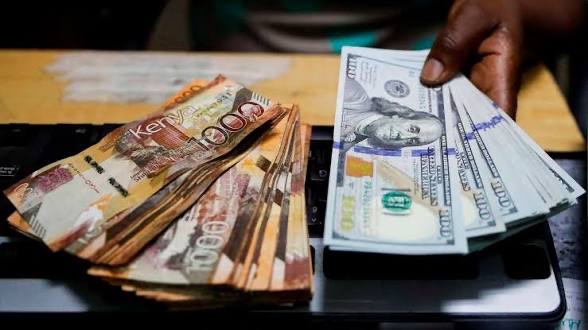
The Kenyan shilling held steady against the US dollar at Sh129.81 on Thursday, October 15, 2026, according to the Central Bank of Kenya's (CBK) daily exchange rates, while gaining on the euro, pound, yen and rand as a stronger dollar worldwide pushed those currencies down and losing sharply against Uganda's shilling, which rebounded after an emergency interest rate hike.
The dollar rate was only 2 cents higher than Sh129.79 on Wednesday. The pound fell to Sh171.30 from Sh171.92 and the euro to Sh144.43 from Sh145.29, a drop of 0.6%, while 100 Japanese yen were worth Sh81.70, down from Sh81.95. The rand eased to Sh7.81 from Sh7.86.
The trigger was a hotter than expected US inflation report on Wednesday. It raised bets that the Federal Reserve will keep tightening: markets lifted the chance of a quarter-point hike this month to 47% from 22% the day before.
The dollar index rose 0.46% to around 102.70, its highest since April 2025, while the euro fell to about $1.1135, its lowest since May, and the 10-year US Treasury yield climbed to near 5.33%.
Emerging market currencies from Mexico to South Africa also sank.
Against regional currencies, the picture was different. One Kenyan shilling bought 30.46 Ugandan shillings, down 4.3% from 31.82 on Wednesday, because the Ugandan shilling rallied.
The Bank of Uganda raised its benchmark rate by 2.25 percentage points to 12% at a special meeting on Wednesday, its largest increase since 2011, after the shilling set repeated record lows over six weeks and the currency rose as much as 4% to about 3,984 per dollar.
Traders and the central bank linked the pressure to demand for hard currency from oil importers because of high energy prices and reduced inflows.
One Kenyan shilling bought 20.26 Tanzanian shillings and 11.36 Rwandan francs, both unchanged from Wednesday.
The moves have practical effects. A stronger shilling against the euro and pound makes imports priced in those currencies slightly cheaper, but it means Kenyan exporters to Europe and Britain receive fewer shillings for each euro or pound earned.
With Uganda, the arithmetic works the other way: Kenyan goods are cheaper for Ugandan buyers, while Kenyan traders buying in Uganda pay more shillings for the same goods.
Attention now turns to the Fed, who will meet on October 27 and 28, on whether the dollar's rally continues or not.