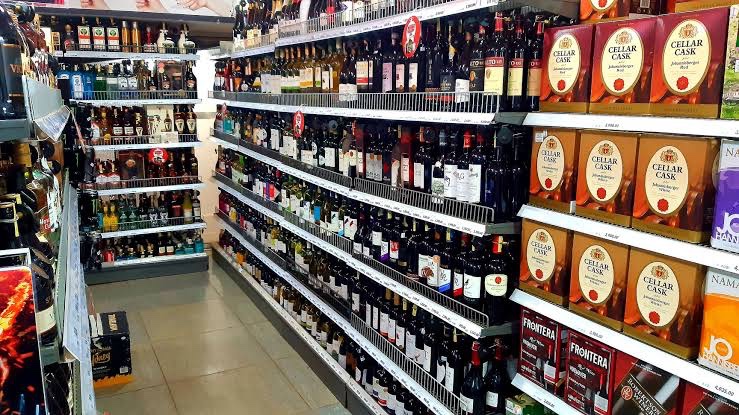
Kenya is considering sweeping changes to its alcohol control laws, including raising the minimum legal drinking age from 18 to 21 years, banning alcohol sales in supermarkets and outlawing online alcohol purchases and home deliveries.
The proposed measures are contained in the Alcoholic Drinks and Drugs Control Laws (Amendment) Bill, 2026, which seeks to tighten regulation of the manufacture, distribution, sale, advertising and consumption of alcoholic beverages across the country.
If passed, the proposed legislation would prohibit anyone below the age of 21 from purchasing alcohol or accessing premises licensed to sell alcoholic drinks.
The Bill also proposes restrictions on businesses permitted to sell alcoholic beverages, with supermarkets and retail outlets selling children's merchandise among the establishments that would no longer be allowed to stock and sell alcohol.
Other proposed restrictions target the distribution of alcoholic drinks, with online sales, courier services, home deliveries, hawking and vending machines set to be prohibited.
Alcohol transportation for distribution would also be restricted to between 6:00 am and 6:00 pm.
Manufacturers and distributors would additionally be required to comply with identification and monitoring requirements, including branding of commercial transport vehicles.
The proposed legislation further seeks to introduce stricter controls on the location of alcohol-selling establishments, including a 300-metre buffer zone around learning institutions, churches and residential areas.
County licensing authorities would also face restrictions when approving alcohol outlets in public facilities, including beaches, cinemas, hospitals, parks, sports facilities, bus stops and petrol stations.
The proposals seek to regulate the concentration of alcohol outlets within particular neighbourhoods, requiring licensing authorities to consider population density and the number of existing establishments before approving new businesses.
The Bill also proposes tighter restrictions on alcohol advertising and marketing, particularly on digital platforms.
Online advertising and promotion ofalcoholic brands would be prohibited, while advertisements across other media platforms would require approval from a dedicated Regulation Committee.
The proposed changes would also restrict the use of celebrities and social media influencers in endorsing alcoholic brands and promoting alcoholic beverages.
Under the proposed legislation, alcohol manufacturers and importers would be required to pay a KSh 2 levy for every litre of alcoholic drink manufactured or imported into the country.
The proposed levy would support alcohol regulation and programmes targeting alcohol and drug abuse.
The government also intends to introduce digital tracking systems to monitor alcohol production and distribution, strengthen accountability within the supply chain and help authorities identify illicit alcoholic products.
Additionally, public officers involved in enforcing alcohol regulations would be prohibited from owning or operating alcohol-selling establishments, either directly or through proxies.
The proposed law also seeks to intensify the crackdown on illicit alcohol by strengthening enforcement measures against individuals and businesses involved in illegal manufacturing, distribution and sale.
The proposed penalties include fines of up to KSh 150,000 or imprisonment for up to one year for selling alcohol to persons below the proposed legal ddrinking age of 21.
Those found engaging in prohibited online alcohol advertising and promotion could face fines of up to KSh 500,000 or imprisonment for up to three years.
The proposed changes come amid the government's wider efforts to address alcohol and substance abuse, particularly among young people.
If approved by Parliament and subsequently assented to by the President, the legislation would significantly reshape Kenya's alcohol industry, affecting manufacturers, distributors, retailers, advertisers and consumers.