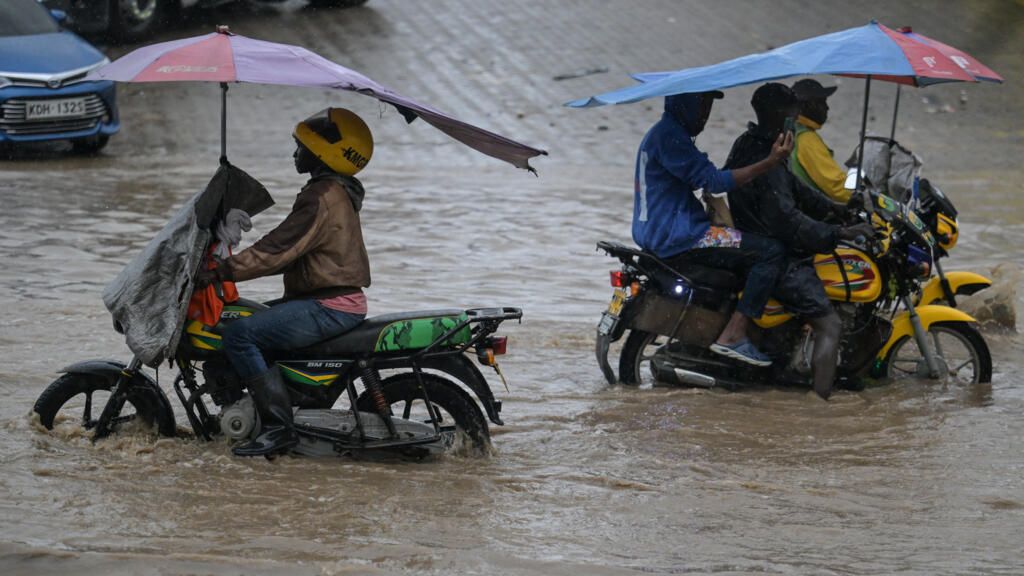
Several parts of Kenya are expected to receive above-average rainfall during the October–December 2026 season, according to the Kenya Meteorological Department. This forecast comes at a crucial time as the nation prepares for the rainy season, which can significantly impact agriculture, water supply, and infrastructure across the country.
In a notice shared on Monday, September 21, 2026, Meteo Kenya urged Kenyans to prepare early for the rainy season and take precautions against possible weather-related risks. The department highlighted the importance of proactive measures, emphasizing that the onset of heavy rains can lead to flooding, landslides, and other hazards that pose risks to life and property.
“Let’s not wait for the rains to become a crisis. Prepare early and act early,” the department said, underscoring the necessity for communities to be vigilant and responsive to changing weather patterns. The warning serves as a reminder of the potential challenges that can arise during this period, particularly in regions that are prone to extreme weather events.
The Ministry of Information, Communications and the Digital Economy also shared the alert, urging Kenyans to stay informed, remain prepared, and act early. This collaborative effort between government agencies aims to ensure that citizens are equipped with the knowledge and resources needed to mitigate the impacts of the anticipated rains.
Residents have been advised to follow official weather updates and take necessary precautions ahead of the rains. This includes securing homes, clearing drainage systems, and being aware of evacuation routes in case of severe flooding. Local authorities are also encouraged to mobilize resources and prepare emergency response plans to assist communities that may be affected by adverse weather conditions.
The call for preparedness is particularly relevant given the historical context of Kenya's rainy seasons, which have varied in intensity and duration. In previous years, heavy rains have led to significant disruptions, including damage to roads, loss of crops, and displacement of families. As such, the Kenya Meteorological Department's forecast serves as a critical prompt for individuals and communities to take action.
As the October–December season approaches, the government and various stakeholders are expected to monitor the situation closely, providing updates and support as necessary. The proactive stance taken by the Kenya Meteorological Department and the Ministry of Information, Communications and the Digital Economy reflects a growing recognition of the need for resilience in the face of climate variability and its associated risks.