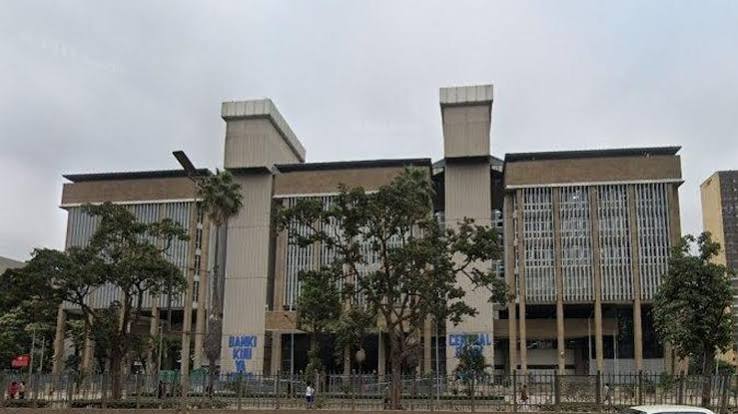
Kenya’s foreign exchange reserves stood at $14.693 billion, providing 5.9 months of import cover as the Central Bank of Kenya continued monitoring the country’s external financial position. The shilling traded at KSh129.91 against the US dollar, compared with KSh129.81 a week earlier, according to the CBK’s Weekly Bulletin published on October 23.
Foreign exchange reserves are assets held by a country’s central bank in foreign currencies and other internationally recognised reserve instruments. They help support external payments, provide a buffer against financial shocks and strengthen a country’s ability to meet foreign currency obligations.
Import cover measures how long a country’s reserves could finance its imports at the prevailing rate. Kenya’s reported cover of 5.9 months remained above the CBK’s statutory minimum requirement of four months, providing an important indicator of the country’s capacity to manage external financial pressures.
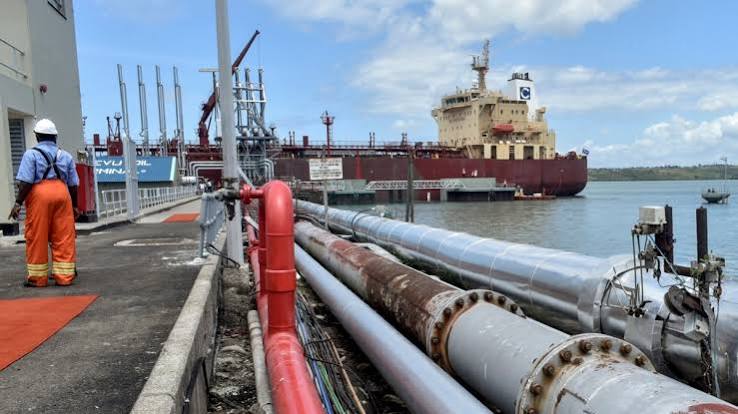
The level of reserves is particularly important for an economy that imports petroleum products, machinery, pharmaceuticals and other essential goods. Importers require foreign currency to pay overseas suppliers, while the government and private sector also need foreign exchange to meet certain external debt obligations.
The shilling traded at KSh129.91 per US dollar during the latest reporting period, compared with KSh129.81 a week earlier. This represented a slight weakening of the local currency against the dollar over the week.
Exchange-rate movements can affect businesses and households in different ways. A weaker shilling can increase the local-currency cost of imported goods and services, potentially placing pressure on business expenses and consumer prices. Exporters and recipients of foreign currency, however, may receive more shillings when converting their dollar earnings.
The value of the shilling is influenced by several factors, including demand for imports, export receipts, remittances, tourism earnings, external debt payments and movements in international financial markets. Changes in global interest rates and investor demand for the US dollar can also affect exchange rates in emerging and developing economies.
Foreign exchange reserves can fluctuate as the central bank manages its foreign currency assets and the country receives or makes international payments. Consequently, a single weekly reading should be considered alongside longer-term trends in reserves, imports and external financing.
For businesses, the latest figures offer useful context for budgeting, pricing imported goods and managing foreign currency exposure. Investors and policymakers will also monitor the shilling and reserve levels for signs of changing external pressures.
The next CBK bulletins will provide further information on whether the reserve position remains stable and how the exchange rate develops in the coming weeks.