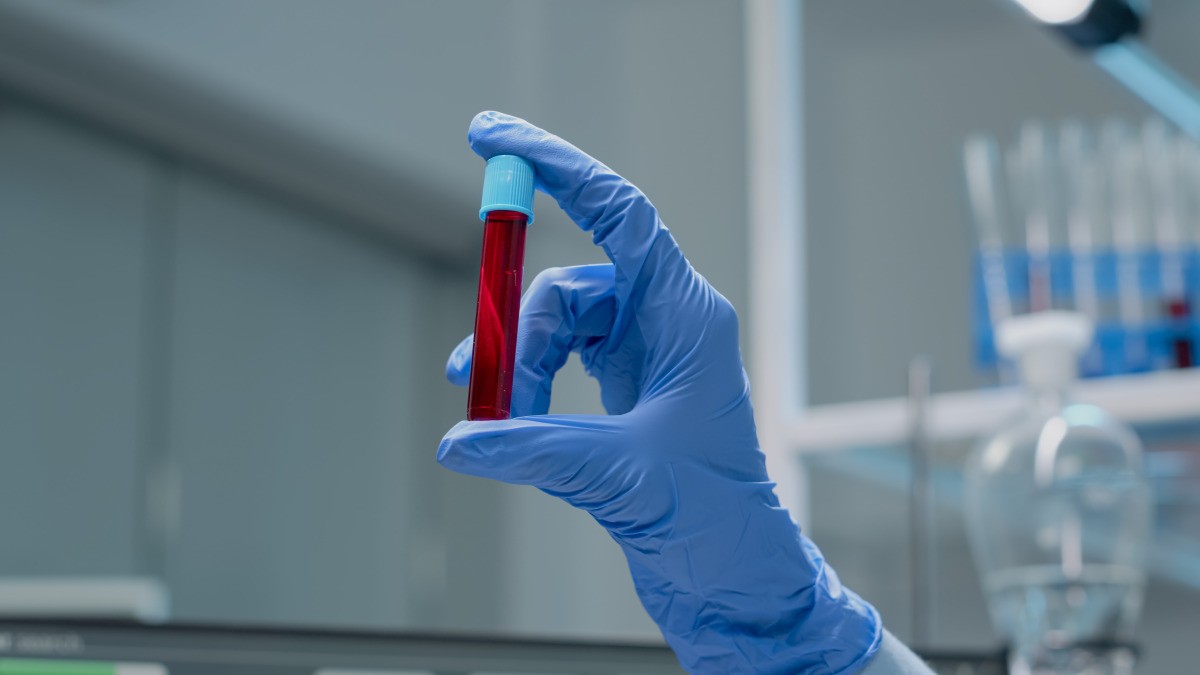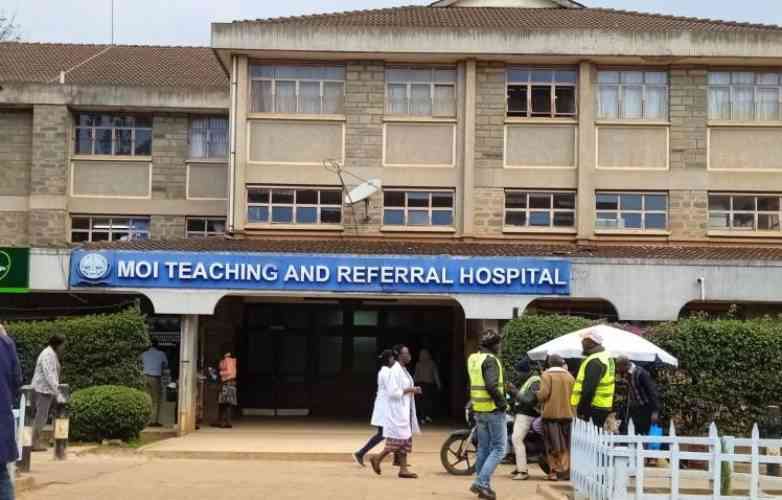
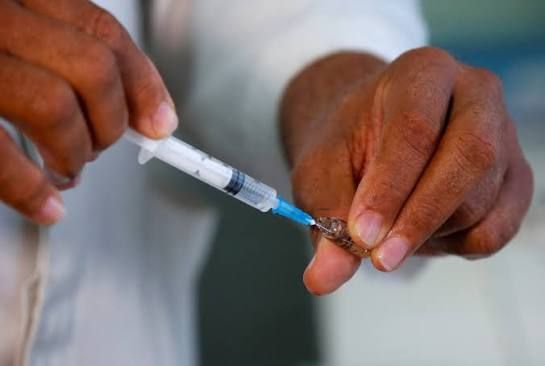
Kenya is grappling with four active health emergencies as outbreaks of Mpox, Ebola, measles, and polio converge across the country, creating an unprecedented strain on the nation's healthcare infrastructure and public health response capacity.
Overview of the health emergencies
The simultaneous emergence of these four infectious diseases marks a critical moment for Kenya's health sector. Each outbreak presents distinct transmission patterns and clinical challenges, forcing the Ministry of Health to coordinate response efforts across multiple fronts while managing limited resources and personnel.
Background: Four Diseases, One Crisis
The convergence of Mpox, Ebola, measles, and polio represents a rare scenario in Kenya's recent epidemiological history. These diseases, each with different modes of transmission and severity profiles, have created a complex public health situation requiring coordinated surveillance, testing, and containment strategies across counties.
Measles and polio are vaccine-preventable diseases, while Mpox and Ebola are zoonotic pathogens that can spread rapidly in communities with limited awareness or access to healthcare. The simultaneous circulation of all four underscores gaps in immunization coverage and disease surveillance systems.
Current situation and response efforts
Key Details: What Kenya Is Facing
- Four concurrent disease outbreaks straining Kenya's health response capacity
- Mpox and Ebola require isolation protocols and specialized treatment facilities
- Measles and polio are vaccine-preventable but indicate immunization gaps
- Multiple counties affected, requiring coordinated national response
- Healthcare workers deployed across outbreak zones for contact tracing and testing
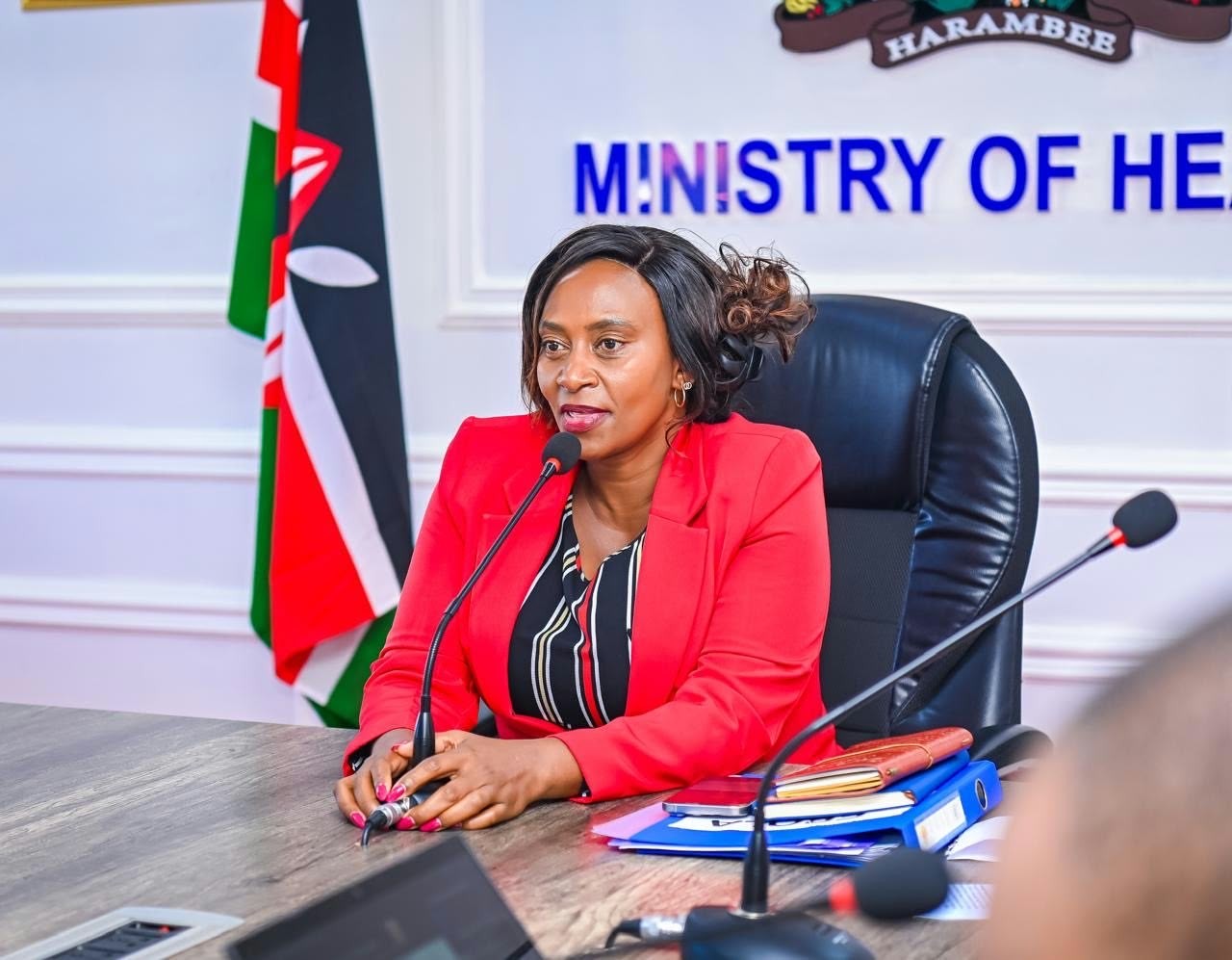
The Ministry of Health has activated emergency response protocols to manage the four health emergencies simultaneously. This includes deploying rapid response teams to affected areas, scaling up laboratory testing capacity, and coordinating with county health departments to ensure consistent case identification and isolation.
Public health implications for communities
Impact: What This Means for Kenyans
The convergence of these four diseases poses significant risks to public health. Healthcare facilities face increased patient loads, potential shortages of isolation beds, and pressure on medical staff. Communities in affected areas are advised to seek immediate medical attention if they develop symptoms such as fever, rash, or respiratory distress.
The outbreak also highlights the importance of vaccination. Measles and polio cases suggest pockets of low immunization coverage, particularly in counties with limited healthcare access. As a result, the Ministry of Health is expected to intensify vaccination campaigns to close immunity gaps and prevent further spread.
What's Next for Kenya's Health Response
Kenya's health authorities will continue monitoring the four health emergencies closely over the coming weeks. Enhanced surveillance, rapid case detection, and community education remain critical to containing spread. Watch for updates on case numbers, affected counties, and vaccination campaign timelines as the situation evolves.