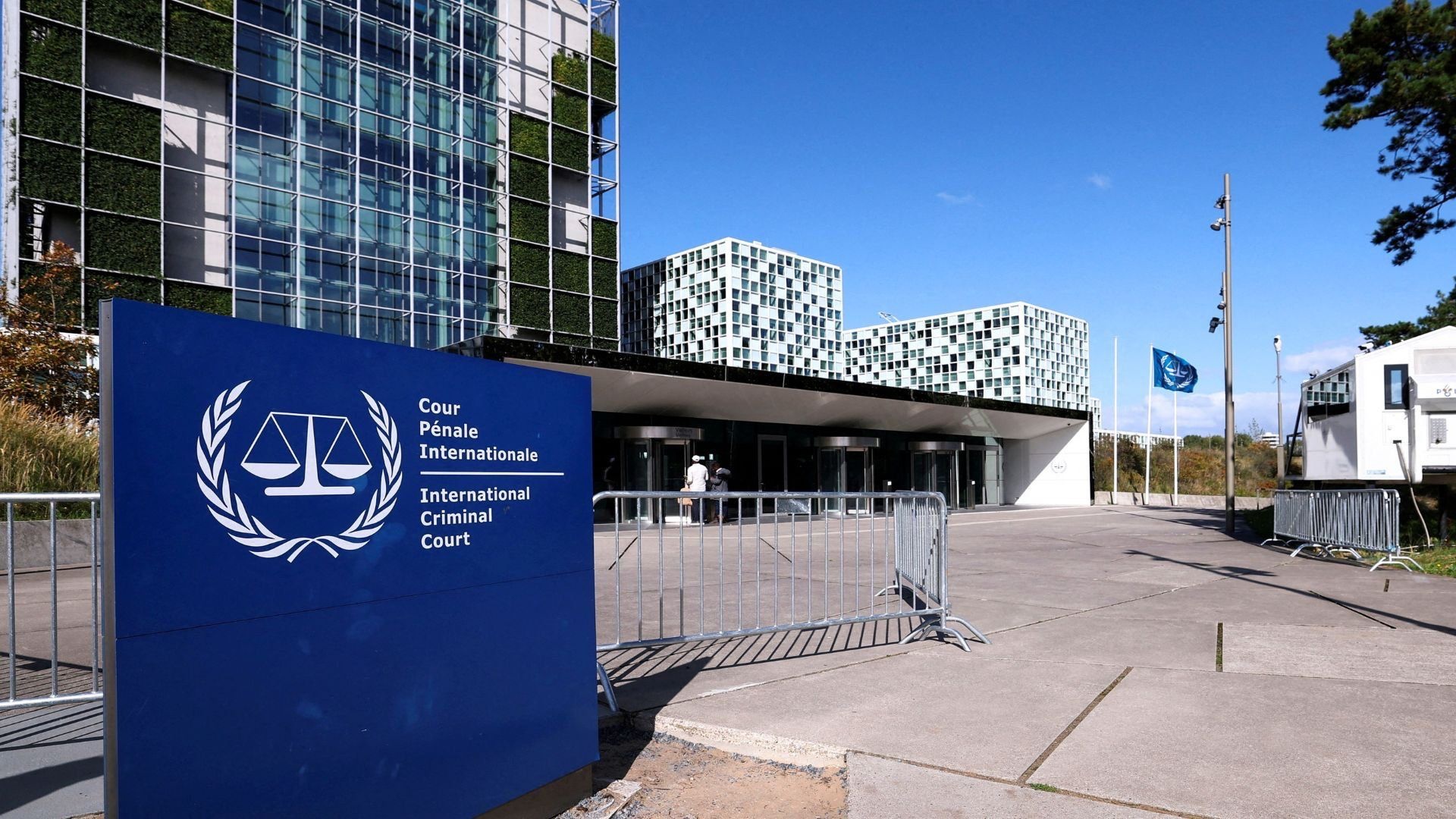
The International Criminal Court (ICC) and its officials have won the European Parliament’s 2026 Sakharov Prize for Freedom of Thought, receiving international recognition as the institution faces US sanctions targeting its operations.
The Court welcomed the award on Thursday, October 22, saying it came at a time when the institution and its officials faced unprecedented challenges, including sanctions aimed at disrupting its judicial mandate.
In a statement, the ICC said the recognition reaffirmed the importance of independent judicial institutions and those working to uphold international law. It also underscored the need for continued international cooperation to enable the Court to carry out its mandate independently and impartially.
The ICC said the award recognised its work in combating impunity, ensuring fair trials and serving victims of the gravest crimes.
The award comes amid tensions between the Court and the United States over its investigations and proceedings involving American personnel and Israeli officials. Washington has opposed the ICC’s exercise of jurisdiction in matters involving the two countries and has imposed sanctions on the institution and individual Court officials.
On October 9, 2026, the United States announced further sanctions targeting the ICC.
The measures followed earlier action against individual judges and prosecutors, raising concerns among the Court’s supporters about the impact on its operations and ability to pursue international criminal cases.
Eight countries — Canada, Denmark, France, Germany, Italy, Japan, the Netherlands and the United Kingdom — issued a joint statement on October 9 reaffirming their support for the ICC’s independence, impartiality and integrity. They warned that the sanctions could affect the Court’s work, staff and their families.
The European Union has also expressed support for the institution, with officials examining ways to mitigate the impact of the sanctions and help the ICC continue its operations.
The European Parliament selected the Court and its officials from three finalists for the 2026 Sakharov Prize. The other nominees were Tanzanian opposition leader Tundu Lissu and Iranian sisters Taraneh and Romina Rahimi.
Named after Soviet physicist and dissident Andrei Sakharov, the prize has been awarded annually since 1988 to individuals and organisations defending human rights and fundamental freedoms. The 2026 award ceremony is scheduled for December 16 in Strasbourg, France.
The ICC is a permanent international court based in The Hague, Netherlands, established under the Rome Statute. It investigates and prosecutes individuals accused of genocide, crimes against humanity, war crimes and the crime of aggression within its jurisdiction.
The award gives the Court international recognition for its role in pursuing accountability for serious crimes, even as sanctions threaten to complicate its work.
The ICC has called for sustained international cooperation and support to ensure it can continue carrying out its judicial mandate independently and impartially, with justice for victims remaining central to its mission.