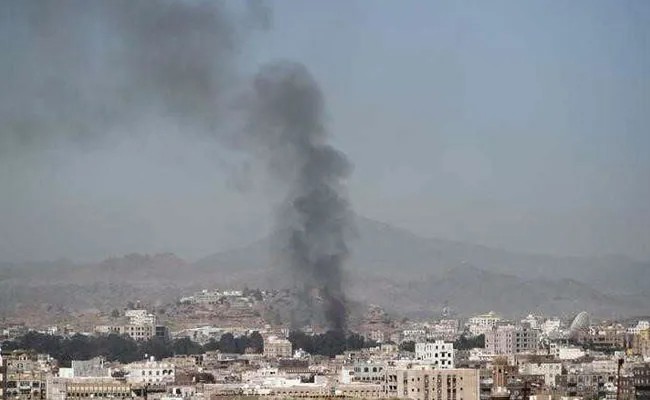
More than 300 people have reportedly been killed in a series of drone strikes blamed on Sudan’s army, including dozens of mourners travelling to a funeral, as fighting intensifies in the country’s western regions.
The Sudan War Observatory, which monitors the conflict between the army and the paramilitary Rapid Support Forces (RSF), reported that 150 people were killed in attacks in two locations in West Kordofan State on Sunday evening.
In one incident, a truck carrying approximately 200 mourners from an area north of Abyei was struck as it arrived in the town of Al-Dabab.
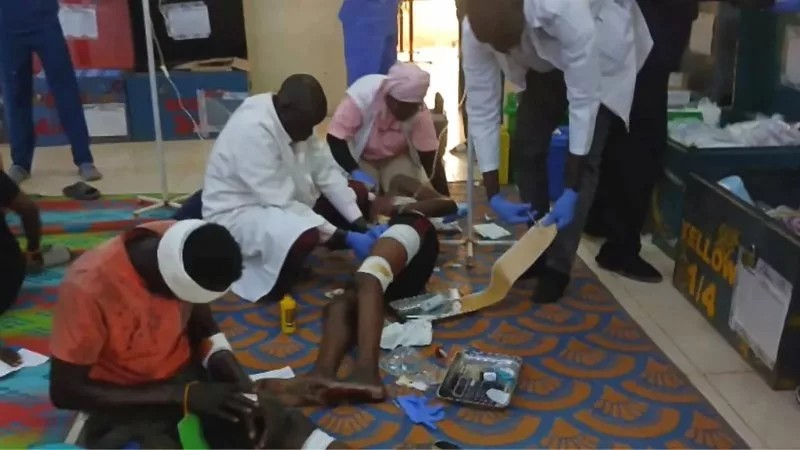
The monitoring group said 145 people were killed, while another five died when a tent where mourners had gathered was hit. Approximately 150 people were injured in the attacks.
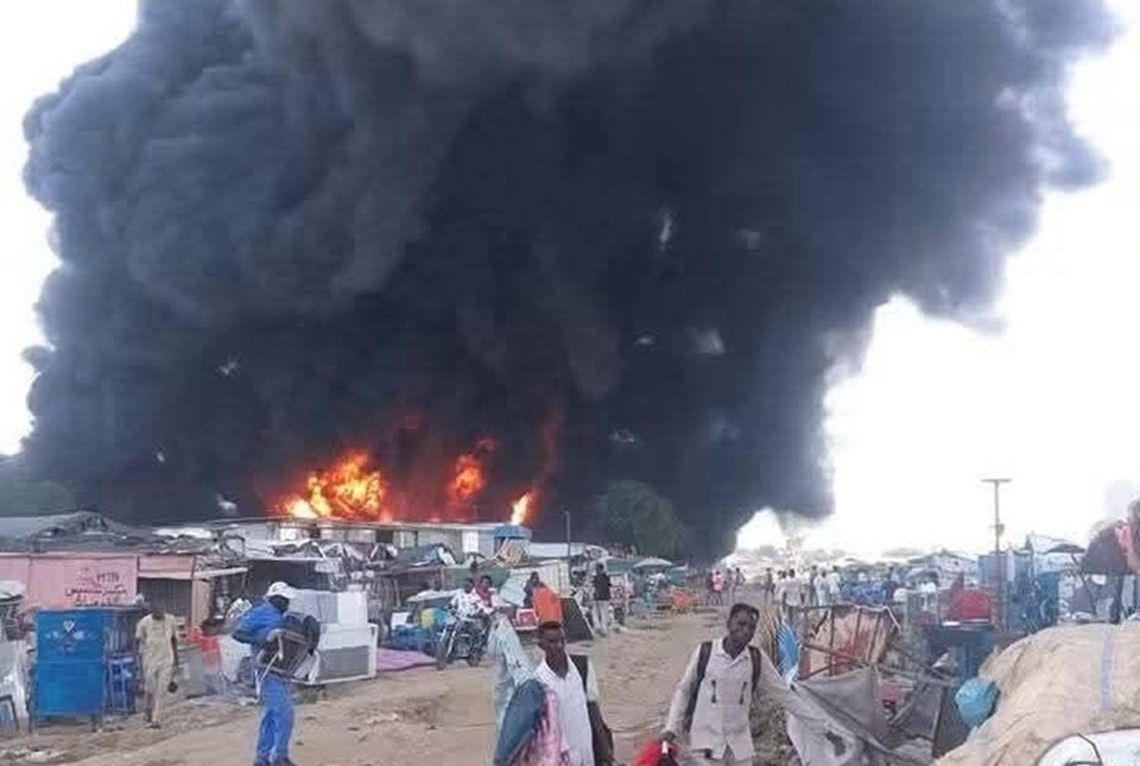
Army drones also struck a market in Al-Mujlad, another town in West Kordofan, although the number of casualties from that attack remained unclear.
In a separate incident, 153 people were killed when drones struck a market in Abyei, a disputed border region claimed by Sudan and South Sudan, according to the region’s information minister.
A military source told the BBC that Sudan’s army carried out the Abyei strike, claiming the market served as a fuel supply point for RSF fighters.
The army has not responded to allegations that it carried out the other attacks, but maintains that it does not target civilians, even when it believes RSF fighters are among them.
The attack in Abyei has heightened tensions between Sudan and South Sudan, which jointly administer the oil-rich territory. South Sudan has summoned Sudan’s ambassador to lodge a formal protest, amid fears that the conflict could spill across the border.
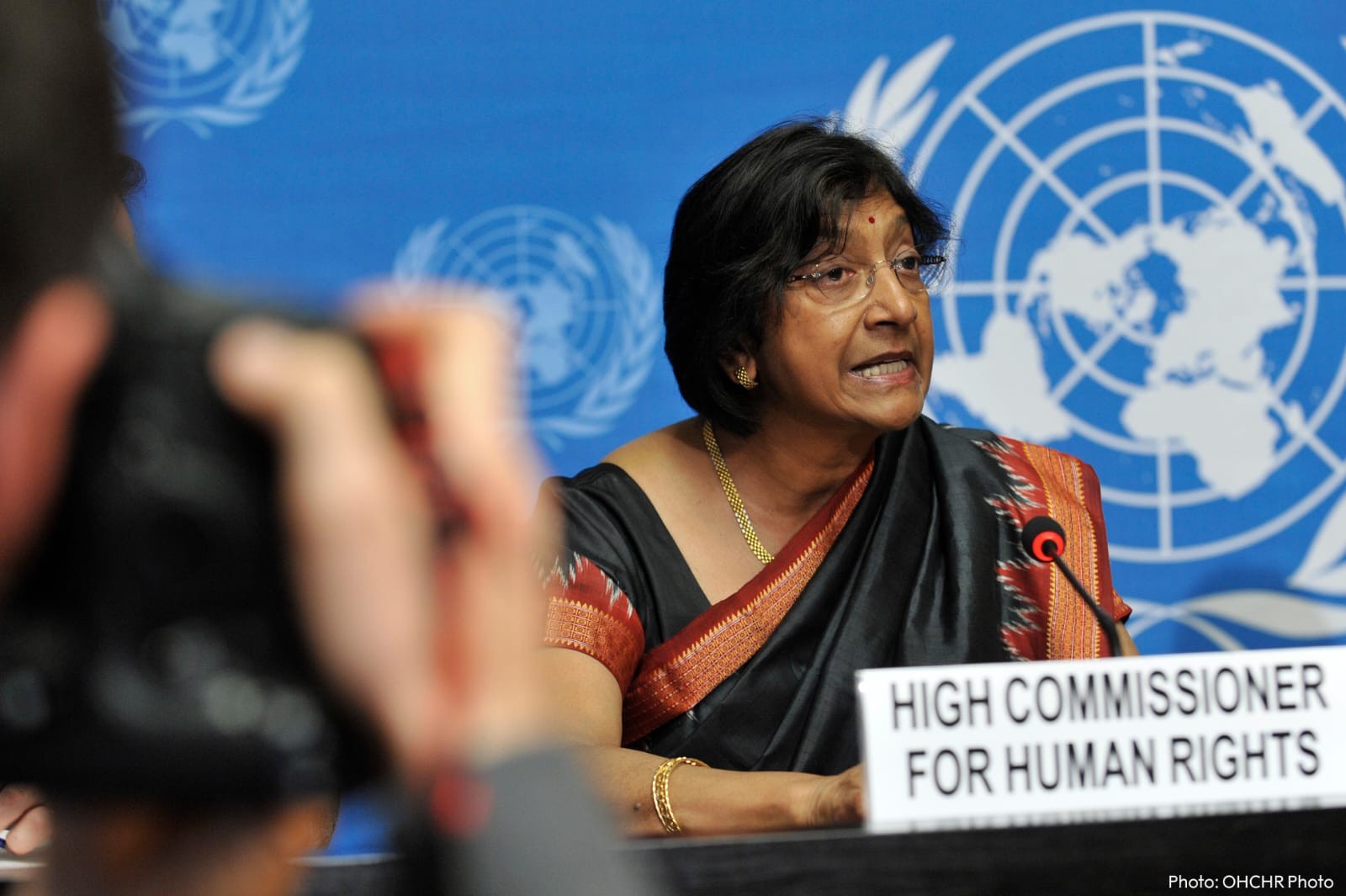
The strikes have drawn concern from the United Nations, which warned that drone attacks were killing civilians, including children, and disrupting essential services.
UN spokesperson Stéphane Dujarric said on Monday that the increasing use of armed drones was worsening an already severe humanitarian crisis. Around 20 million people are facing acute hunger, with famine risks rising in parts of Darfur and Greater Kordofan.
Greater Kordofan, comprising three states, is a strategic corridor linking RSF-controlled Darfur to Khartoum, which the army has regained control of.
The conflict, which erupted in 2023, has killed hundreds of thousands of people and displaced more than 14 million.
Despite a partial arms embargo, foreign countries have continued supplying drones to both sides, with the weapons becoming increasingly prominent in the fighting.
Fighting in the resource-rich Kordofan region has intensified over the past year following the army’s recapture of Khartoum from the RSF.