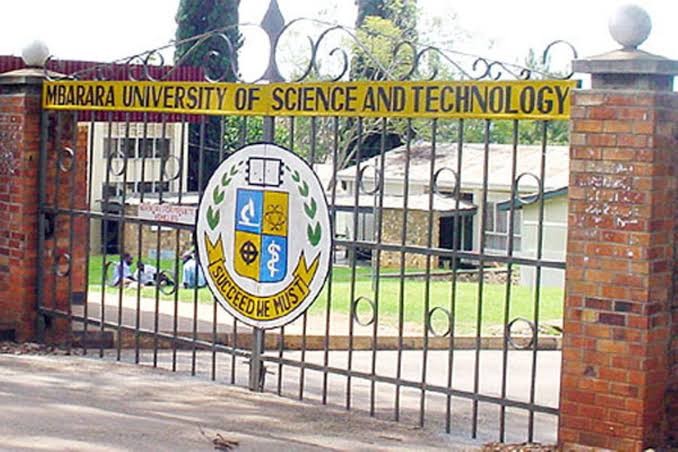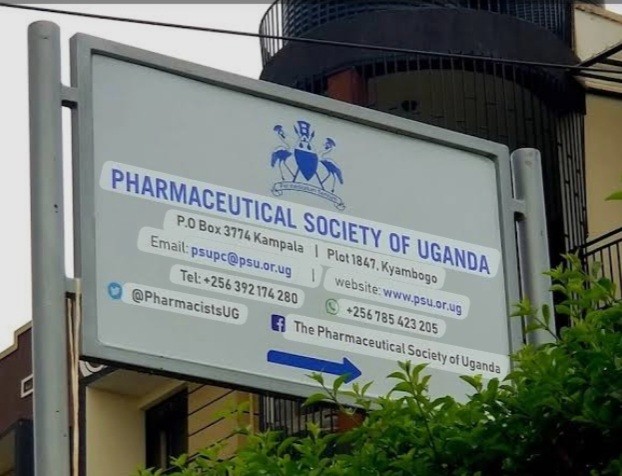
Uganda’s National Council for Higher Education (NCHE) has confirmed that Mbarara University of Science and Technology’s Bachelor of Pharmacy programme remains fully accredited, dismissing concerns raised by a notice from the Pharmaceutical Society of Uganda.
In a statement, the council said the programme’s accreditation had not been withdrawn and that teaching and learning should continue as investigations into the disagreement over its recognition remain a matter of concern.
The clarification follows a public notice by the Pharmaceutical Society of Uganda claiming to have withdrawn recognition of the pharmacy programme at the university.
NCHE said it was neither involved nor consulted before the society made the decision, adding that the authority to accredit academic programmes and withdraw recognition of qualifications rests with the council under Uganda’s Universities and Other Tertiary Institutions Act.
The council cited Section 4(d)(ii) of the law, which mandates it to process applications for accreditation of academic and professional programmes in consultation with professional associations and regulatory bodies.
It also referred to provisions empowering it to investigate complaints relating to higher education institutions and take appropriate action.
According to NCHE, the Bachelor of Pharmacy programme was first accredited in 2010 and has since undergone several re-accreditations. Its latest accreditation was granted on January 30, 2025, allowing the programme to operate until 2036.
The council said the re-accreditations were conducted in consultation with the Pharmaceutical Society of Uganda, as required by law.
The statement also addressed changes in the leadership of MUST’s Department of Pharmacy. NCHE said an associate professor who headed the department left in July 2026 after resigning to join another academic institution as a full professor.
The university subsequently appointed a senior lecturer with a nursing background and a PhD in Pharmacology from Ghent University in Belgium to lead the department temporarily.
NCHE added that the current acting head of the department is a pharmacist who also serves as president of the Pharmaceutical Society of Uganda.
Despite the concerns surrounding the programme, the council maintained that its accreditation remains valid and has not been withdrawn by the statutory body responsible for the process.
The clarification is significant for students enrolled in the programme and prospective applicants seeking assurance about the status of the pharmacy qualification.
NCHE reiterated that it remains open to receiving and investigating complaints concerning higher education institutions in Uganda, saying such matters should be handled through the established legal and regulatory framework.
The council’s position is that the programme should continue operating under its existing accreditation while the authority of the relevant bodies remains central to the dispute.