The government is struggling to turn its affordable housing Programme into the cash it needs to fund the next phase of accelerated construction, after the Affordable Housing Board collected just Sh212.3 million from housing sales in the year to June 2026 against a target of Sh15.25 billion or 1.4% of projected revenue, because most buyers are paying in installments rather than upfront.
The State blames the tenant purchase scheme, under which occupants make monthly rent-to-own payments before eventually owning their units. Money therefore trickles in slowly instead of arriving as lump sums that can be reinvested in new construction.
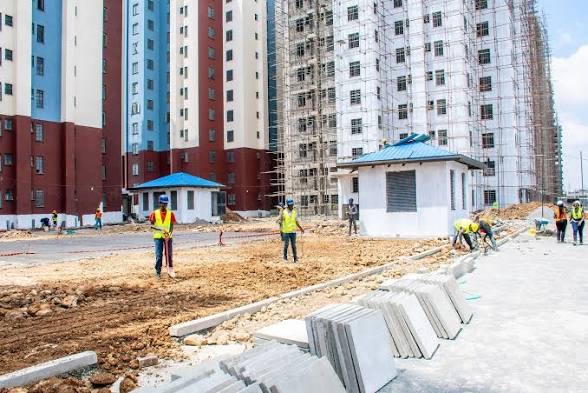
Demand is not the problem. Occupancy of completed homes reached 94%, above the government's 90% target. The Board reported 1,836 units completed and handed over by June, with another 1,380 units 98% complete.
The shortfall matters because the government is counting on sales proceeds to pay for what comes next. Spending on affordable, social and institutional housing and related infrastructure is projected to jump from Sh110 billion in 2026/27 to Sh360.1 billion in 2027/28. Reports also indicate that Housing Levy collections were almost depleted in the year to June 2026.
The pressure is already visible. The Parliamentary Budget Office (PBO) says the programme faces a Sh118.3 billion financing gap in the current financial year, with 176 projects stalled. The government has collected Sh205.7 billion through the levy since the programme began and the PBO says affordable housing projects have absorbed only 14% of their total cost.
To plug the gap, the government is exploring a mix of levy collections, proceeds from completed units and long-term funding from development partners such as the World Bank. It also plans to use future levy proceeds as collateral for a Sh100 billion loan, a move that would extend reliance on the levy.
The government targets 200,000 units a year and has launched a Rapid Results Initiative to complete at least 45,000 units by December. Whether it can meet those goals will depend on how quickly instalment payments, levy money and borrowing can be turned into cash for contractors.