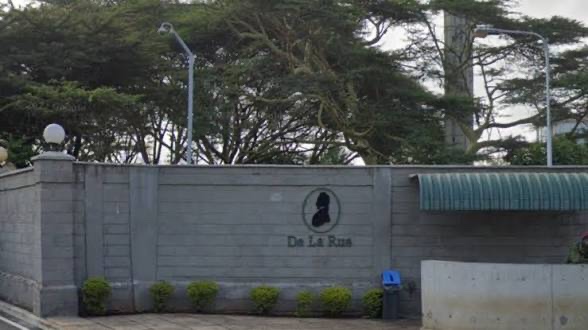
Mauritius-based Monarch Capital Limited has bought a controlling 60% stake in De La Rue Kenya EPZ which is based in the Ruaraka , for about Sh400 million, after the Competition Authority of Kenya (CAK) approved the deal, with the National Treasury keeping the remaining 40% in a company that stopped printing Kenyan currency in 2023.
CAK's approval was contained in a Kenya Gazette notice dated August 21, 2026 and published on October 2. Company filings had earlier shown that Thomas De La Rue AG, a subsidiary of London-listed De La Rue, transferred its entire shareholding to Monarch, which was incorporated in Mauritius in October 2025. The reports did not identify Monarch's owners. Former Safaricom chief executive Michael Joseph has since joined the company's board. Another outlet noted that no transaction value has been officially disclosed, so the Sh400 million figure rests on Business Daily's reporting.
De La Rue suspended banknote production at its Ruaraka plant in January 2023 after orders from the Central Bank of Kenya (CBK) dried up. The plant, which opened in 1992, had printed Kenyan currency for decades, but in April 2024 the CBK awarded Germany's Giesecke+Devrient a Sh14.2 billion, five-year contract. De La Rue's latest annual report shows the Kenyan subsidiary earned no revenue in the last financial year and held net assets of about £9 million (Sh1.55 billion). The group also booked £13.8 million (Sh2.39 billion) in restructuring costs linked to closing the Kenyan currency printing operations.
The Treasury bought into the company in a controversial deal reported at about Sh650 million, which was defended at the time as a way to save the Ruaraka plant and its roughly 400 jobs. Its 40% stake now makes it a minority partner in a business without a banknote contract.
What Monarch plans to do remains unclear. It has not said whether it will try to revive banknote production or move into other secure printing, such as government documents and specialized products.
Reports say the approval requires Monarch to keep at least 80% of the existing workforce for one year after completion.