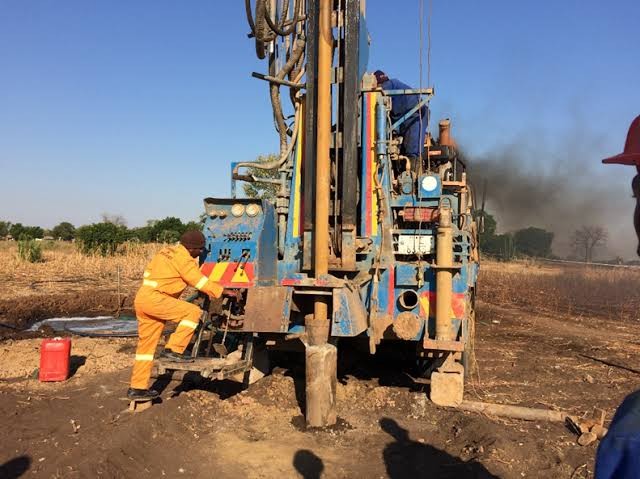
The High Court has declined to certify as urgent a petition seeking to compel the government to account for Sh17.5 billion allocated to a major groundwater development project targeting five drought-prone counties in northern and eastern Kenya.
In directions issued on October 29, 2026, Justice Patricia M. Nyaundi ruled that the application did not meet the threshold for urgent consideration, following her review of a petition and Notice of Motion filed by Francis Awino on October 27 under a certificate of urgency.
The judge directed Awino to serve the petition and application on all respondents and interested parties by November 5, 2026. The respondents have been given 14 days from the date of service, or until November 20, to file their responses.
Awino has also been granted seven days after service to file a further affidavit, while the matter will be mentioned on February 10, 2027, to confirm compliance and receive further directions.
The petition centres on the Horn of Africa Groundwater for Resilience Project, identified as Project No. P174867, a major development programme financed through an International Development Association credit of approximately US$135 million.
The project is designed to improve access to groundwater and strengthen drought resilience in Turkana, Marsabit, Mandera, Wajir and Garissa counties, which have historically faced persistent water shortages.
Through the application, Awino is seeking conservatory orders compelling the preservation of all physical and electronic records relating to the project. These include financial statements, procurement documents, contracts, payment certificates, bank and accounting records, implementation reports, as well as records concerning boreholes and monitoring wells.
He is also asking the court to restrain the respondents from destroying, concealing, altering or deleting any project-related documentation that could be relevant to establishing how the funds have been utilised.
Among the key orders sought is a directive requiring the Water Resources Authority and the Cabinet Secretary for Water to submit a verified preliminary disclosure report within 14 days.
The proposed report would detail the total amount of money approved, received and spent on the project, contracts awarded, payments made and the implementation status of exploratory boreholes and monitoring wells.
It would also provide a county-by-county breakdown of completed works and outstanding activities across the five beneficiary counties.
The petitioner further wants clarification on the official designation and role of Mohammed Shurie, listed as the second respondent, in the project's governance and management.
The Auditor General and the Ethics and Anti-Corruption Commission have been named as interested parties in the proceedings.
In his supporting grounds, Awino argues that the case raises important constitutional questions surrounding transparency, accountability and the prudent management of public resources.
He maintains that the petition is not based on an assumption that public funds have been stolen, but rather on the need for verifiable information showing how the money was received, committed and translated into tangible development outcomes.
To support his concerns, Awino has cited a World Bank implementation support mission aide-memoire covering March 10 to 14, 2025, which reportedly documented a significant adjustment to the project's financial allocation for the 2024/2025 financial year.
He has also referred to a Ministry of Water implementation update dated November 26, 2025, arguing that the two documents underscore the need for a comprehensive and independently verifiable account of the project's financial and physical progress.
The petitioner insists that the orders sought would not interfere with ongoing project activities or disrupt the provision of essential water services to communities in the beneficiary counties.
Instead, he argues that safeguarding the records and establishing transparency around financial commitments and payments would help ensure that the project is implemented in accordance with constitutional requirements.
The case now awaits its next court appearance in February 2027, when the parties are expected to confirm compliance with the court's directions and receive further instructions on the way forward.