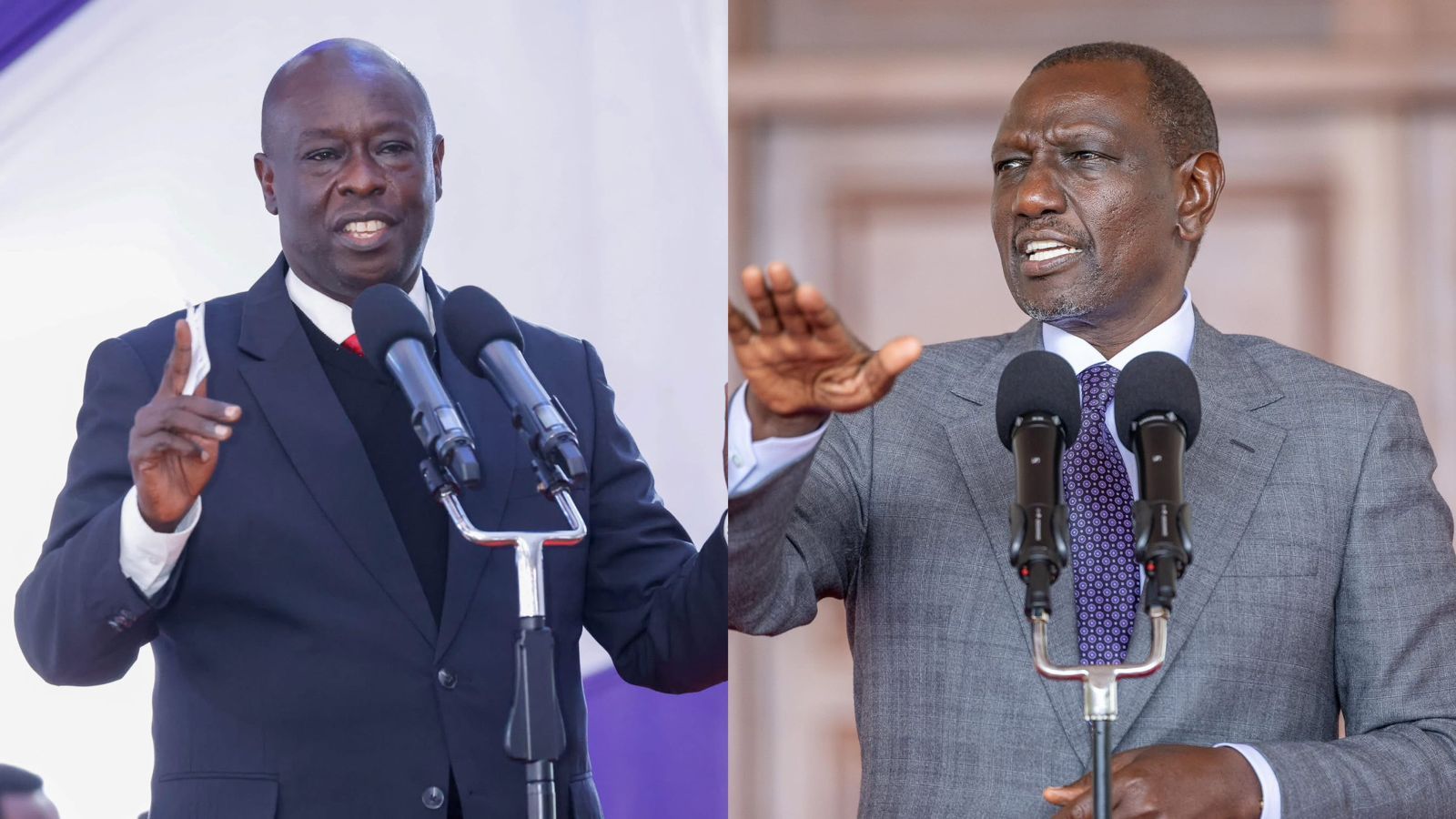
Democracy for the Citizens Party (DCP) leader Rigathi Gachagua has raised concerns over President William Ruto's recent visit to the United States, alleging that the trip is being used to pursue a deal involving Kenya’s estimated KSh8.2 trillion niobium and rare-earth mineral deposits at Mrima Hill in Kwale County. Gachagua voiced these claims during a community engagement event at the Matt Ross Community Center in Overland Park, Kansas, as part of his ongoing tour of the United States. The former Deputy President questioned the intentions behind Ruto's visit, suggesting that it was aimed at advancing negotiations over Kenya’s critical mineral resources. He also challenged leaders in Kwale County to be more proactive as discussions about the deposits continue.
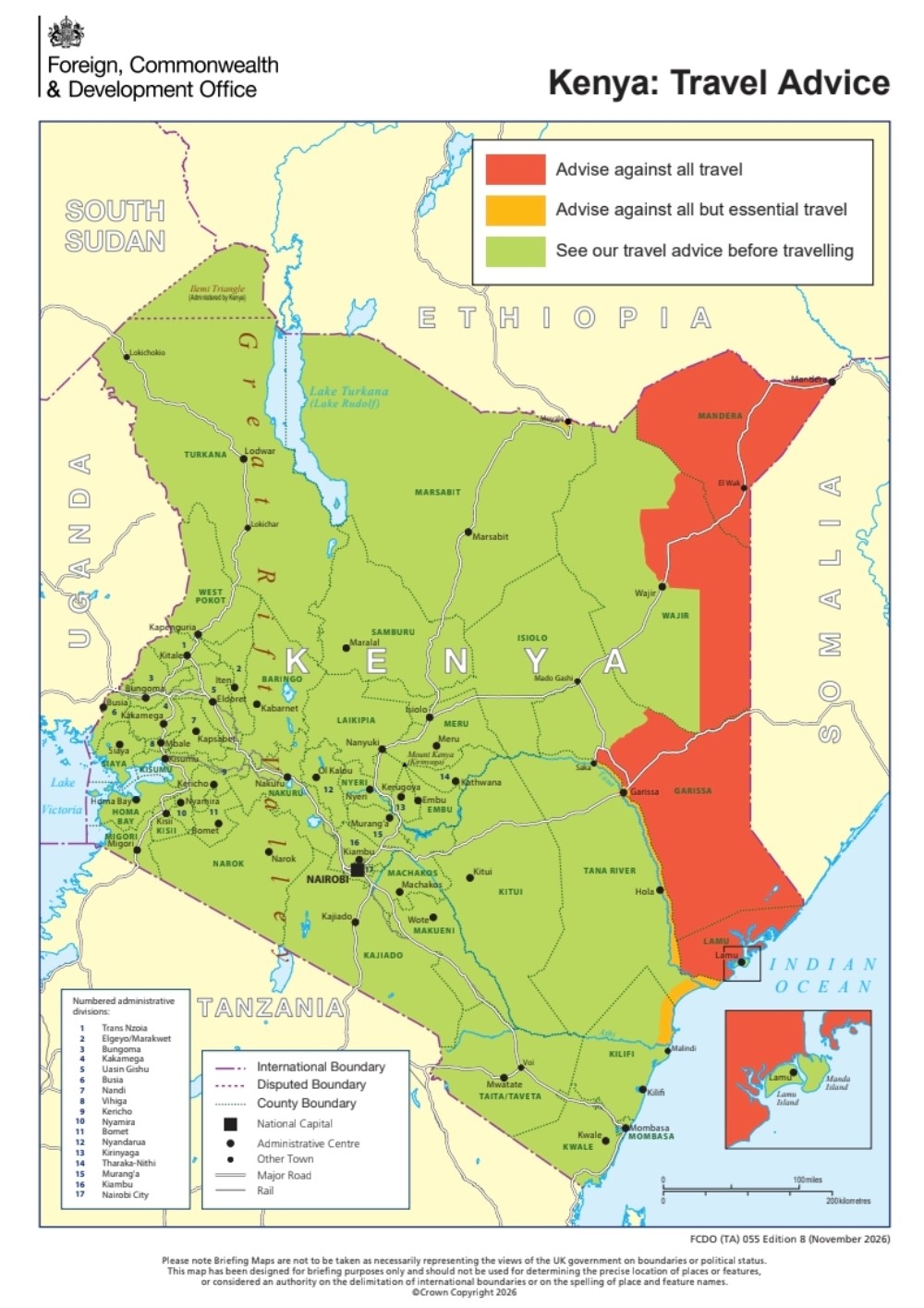
Despite Gachagua's assertions, mineral deals were not listed among the publicly announced items on President Ruto’s itinerary for the US visit. This has not quelled speculation, however, as Mrima Hill has long been a focal point of interest due to its rich deposits of niobium and rare-earth elements. Government geological assessments have confirmed the presence of these valuable minerals at the site, although further studies are needed to determine the economic viability of extracting them. The potential development of Mrima Hill's resources has attracted significant interest, particularly in light of the growing global demand for critical minerals essential for advanced manufacturing and technology.
Niobium, one of the key minerals found at Mrima Hill, is primarily used to enhance the strength of steel and produce specialised alloys. Its applications are vast, ranging from pipelines and construction materials to automotive components, where its ability to increase strength without adding significant weight is highly valued. Additionally, niobium is used in superconducting materials and has applications in the aerospace and energy sectors. Rare-earth elements, meanwhile, are crucial in the production of permanent magnets, electric motors, electronics, and other advanced technologies.
Gachagua's remarks have added fuel to the ongoing political debate surrounding the exploitation of Kenya's strategic mineral resources. Central to this debate is the question of how the development of these resources will benefit local communities and the broader Kenyan economy. As discussions continue, stakeholders are keenly watching how the government will navigate the complex issues of resource management, community involvement, and equitable distribution of benefits.