A former accountant at the Nuclear Power and Energy Agency (NuPEA) has been fined Sh130,000 after admitting to using falsified academic documents to secure employment.
Milimani Anti-Corruption Court Magistrate Hon. Ndombi convicted Lilian Mweche Muyumba on two charges after she pleaded guilty under a plea agreement with the Director of Public Prosecutions (DPP).
In a judgment delivered on October 19, 2026, the court fined Muyumba Sh30,000 for uttering a false document and Sh100,000 for presenting a forged certificate.
The court further ordered that she serve one year in prison if she fails to pay the fine for the first offence and two years for the second offence.
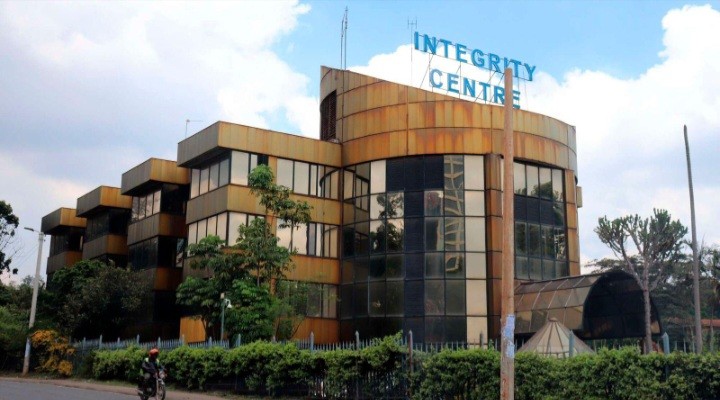
Investigations by the Ethics and Anti-Corruption Commission (EACC) established that Muyumba submitted a forged Kenya Certificate of Secondary Education (KCSE) certificate to obtain employment at NuPEA.
The certificate indicated that she had sat her examinations in 1996 at Moi Girls Secondary School in Nangili. However, investigations found that the academic document was falsified.
Muyumba was initially charged with three offences relating to the alleged forgery and use of the certificate. These included forgery of a KCSE certificate, uttering a false document contrary to Section 353 as read with Section 349 of the Penal Code, and presenting a forged certificate contrary to Section 34(a) of the Kenya National Examinations Council Act.
She subsequently admitted to the latter two charges through the plea agreement, leading to her conviction and sentencing.
The EACC welcomed the court's decision, saying the outcome should discourage individuals from engaging in similar offences involving falsification of academic qualifications.
The case highlights the legal consequences of using forged educational documents to gain employment, particularly in institutions where academic credentials form part of the recruitment requirements.
Forgery and the use of false documents can undermine the integrity of recruitment processes by allowing individuals to obtain positions through qualifications they have not legitimately earned. Such offences may also compromise public confidence in institutions expected to uphold professional and ethical standards.
The EACC continues to investigate suspected corruption and related offences, including cases involving fraudulent documents and misrepresentation of qualifications.