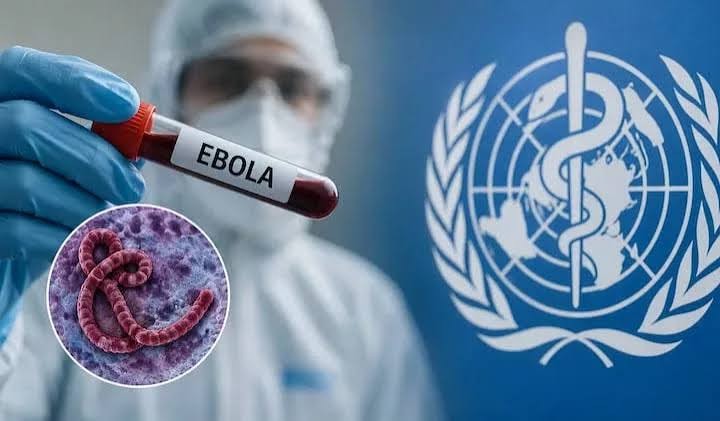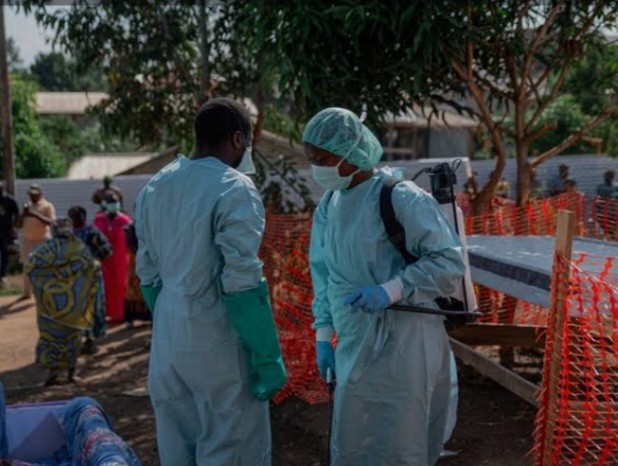
The Africa Centres for Disease Control and Prevention (Africa CDC) has called for coordinated continental action to contain the ongoing Ebola outbreak, as Kenya reports nine confirmed cases and one death amid growing concerns over cross-border transmission.
In a press briefing dated October 22, 2026, Africa CDC Director of Emergency Dr Wessam Mankoula reported that the outbreak had reached 9,735 confirmed cases and 4,690 deaths across affected countries as of October 20, representing a crude case fatality rate of 48.2 per cent.
The Democratic Republic of the Congo (DRC) remains the main hotspot, accounting for 9,704 cases and 4,687 deaths. The outbreak has spread across eight provinces and 66 health zones in the country, with Ituri and North Kivu accounting for 94.7 per cent of confirmed cases.
Kenya had recorded nine confirmed cases and one death, according to the briefing. Eight of the cases were secondary infections involving people who had been in contact with the initial patient, including four family members and four health workers.
The report indicated that 135 contacts had been listed, including nine outside Kenya, while 118 eligible contacts were in quarantine. Eight patients were admitted to health facilities and were reported to be clinically stable at the time of the briefing.
Kenya has stepped up preparedness measures, with 211 isolation beds, five testing laboratories and 343 trained surge responders on standby.
A total of 4,917 health workers had received training, while authorities were working to establish public health emergency operations centres in 11 counties.
Screening at points of entry was also ongoing, with 3,997 people screened during the 24 hours covered by the report. Mobile laboratories had been deployed in the Bungoma and Busia border areas to strengthen testing capacity and support the response.
The regional situation has become more concerning following the confirmation of an Ebola case in Abuja, Nigeria, reportedly imported from Uganda. The patient, a 40-year-old woman, was receiving treatment, while 44 close contacts had been listed for follow-up. However, the source of her exposure had not been established by the time of the briefing.
The outbreak in the DRC has also exposed challenges in early detection and timely access to treatment. Africa CDC reported a median delay of four days between the onset of symptoms and notification, with 10 per cent of cases taking at least 11 days to be reported.
The delays increase the risk of community transmission and complicate efforts to trace people who may have been exposed to the virus.
The briefing also noted that deaths occurring in communities accounted for about 58 per cent of total deaths on October 19, highlighting continuing gaps in early detection, referral and access to Ebola treatment units.
Meanwhile, vaccination and treatment research are progressing. By October 21, a total of 12,269 health workers and frontline workers had received the Ebola vaccine under a compassionate-use programme. Another 1,262 frontline workers had been vaccinated under the BRAVO study, bringing the combined number vaccinated under the two programmes to 13,531.
The briefing indicated that 70,000 vaccine doses had been received through the International Coordinating Group, while a Phase Three vaccine trial was scheduled to begin in Bunia on October 23.
Therapeutic trials were also enrolling participants. A trial involving remdesivir and MBP134 had enrolled 762 participants, while 577 had joined a separate study examining obeldesivir for post-exposure prevention.
Beyond the medical response, Africa CDC leadership is seeking stronger political and financial support to contain the outbreak. In a statement following a meeting with African Union Commission Chairperson Mahmoud Ali Youssouf, Mankoula said discussions focused on the continental Ebola response and preparations for the Conference on Public Health in Africa (CPHIA) 2026.
“The Chairperson made a strong call for transparency, solidarity and coordinated continental action, with timely, collective decisions to contain the outbreak and protect our populations,” Mankoula said.
He announced that Africa CDC would convene African Ministers of Health on October 28 to advance the collective response, while Ministers of Finance and Transport were also being invited to join the discussions.
“The evolving situation demands coordinated decisions across sectors, stronger preparedness and the mobilisation of resources where they are most urgently needed,” he said.
The meeting also addressed CPHIA 2026, which will take place in Addis Ababa, Ethiopia, from November 23 to 27. The conference is expected to provide a platform for strengthening partnerships and translating political commitments into practical action on public health and continental health security.
Mankoula thanked Youssouf for his leadership and continued support for Africa CDC, stressing the importance of collective responsibility in responding to emerging health threats.
“This is a moment for African solidarity, decisive leadership and collective responsibility. Our decisions today will shape our continent’s ability to confront tomorrow’s health threats,” he said.
With transmission continuing in the DRC and cases reported in other countries, Africa CDC is urging governments to strengthen surveillance, improve early detection, expand preparedness and coordinate efforts to prevent further spread.
The response will depend on the ability of affected countries and their regional partners to identify cases quickly, trace contacts, ensure timely treatment and mobilise the resources needed to protect communities.