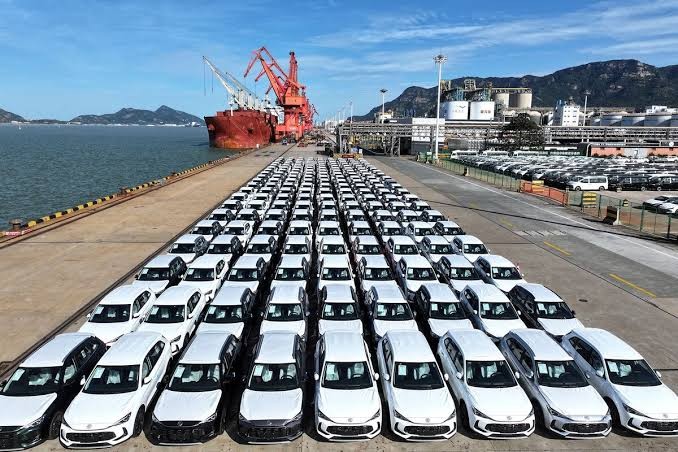
The European Union and China pulled back from a full-scale trade war on Friday, October 9, 2026, after two days of talks in Beijing produced a 16-point consensus list in which China agreed to cut its exports of hybrid and plug-in hybrid cars to the EU by about half, rather than Brussels moving ahead with sweeping tariffs. EU Trade Commissioner Maros Sefcovic and Chinese Commerce Minister Wang Wentao co-chaired the second session of the China-EU trade and investment consultation mechanism.
Sefcovic said the understanding would cut Chinese hybrid exports by several million cars over four years and described it as the first time China has agreed to moderate exports without first going through a period of trade tensions. He called the outcome a crucial first step towards rebalancing trade. The deal still needs approval from Brussels and EU national leaders are due to decide next week whether the concessions are enough.
Key agreements reached in talks
The list covers more than cars. China committed to issue export licenses for rare earths and permanent magnets to the EU, though no timeline was given. The two sides also agreed to work on increased Chinese imports of European medical devices, lower tariffs, market access barriers, export control transparency, intellectual property and World Trade Organization reform, as well as follow-up on the EU's anti-subsidy case on electric vehicles.
Broader implications for trade
The details matter. The understanding applies to hybrids and plug-in hybrids, which fall outside the extra duties the EU already imposes on Chinese battery-electric cars. Talks on the battery-electric dispute will continue separately. Beijing had earlier rejected demands for voluntary export restrictions on hybrids, and the surge of shipments into Europe had raised fears that the bloc's car industry could be hollowed out.
Future trade relations and challenges
Wang described the talks as equal, professional and constructive, but expressed concern over recent EU trade and economic restrictions and said China is not the source of Europe's problems but a partner in solving them. Sefcovic played down the chance of an all-out tariff war, saying it is easy to declare one and very difficult to stop it.
Pressure remains. The EU's trade deficit with China is running at more than €1 billion a day and protectionist sentiment is building in Europe. The two sides will hold a video conference in January and meet again in March, which will show whether the understanding holds. Britain could also be drawn in, as UK ministers are reportedly preparing extra duties on Chinese electric vehicles, partly to avoid British manufacturers being excluded from EU plans.