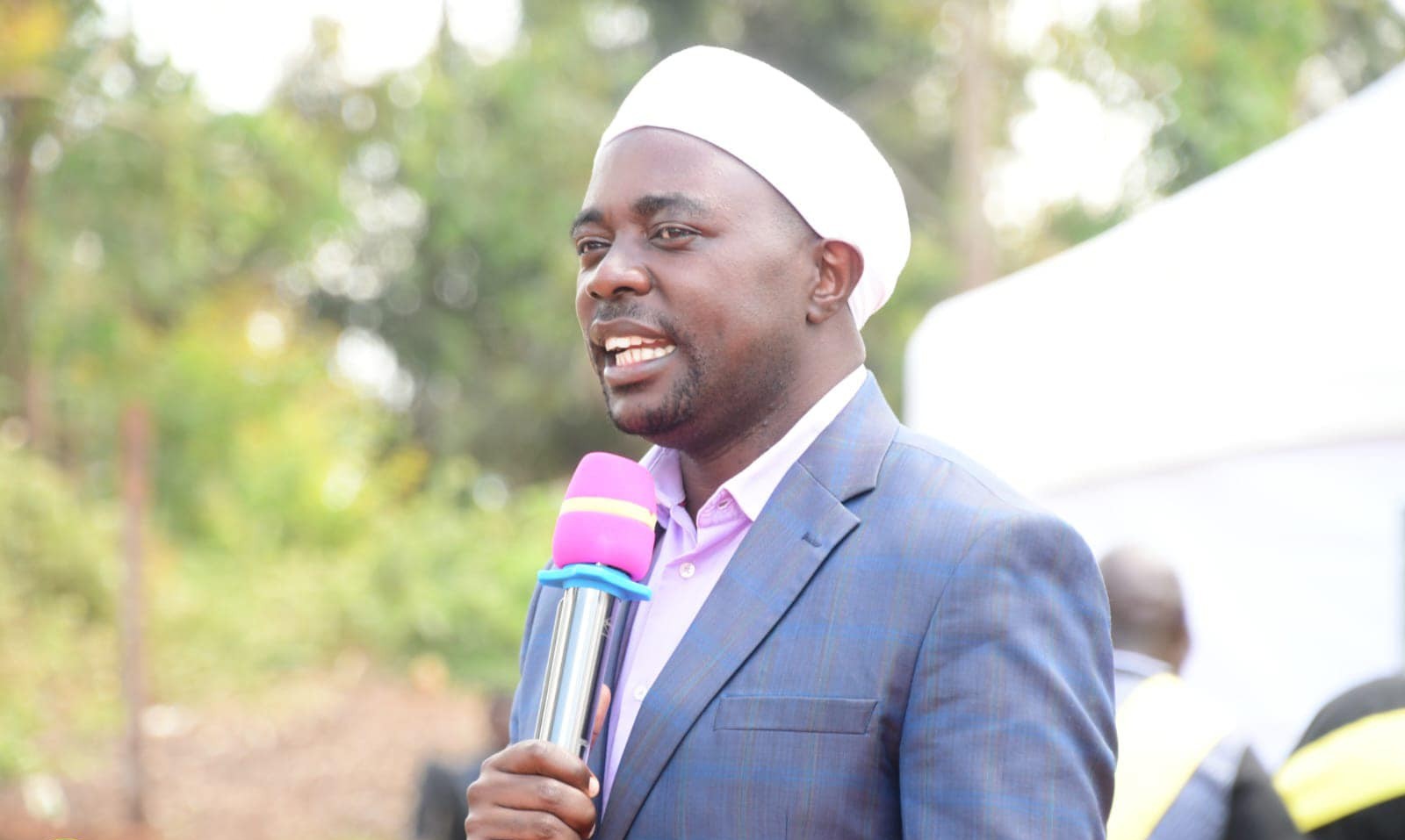
Kimilili MP Didmus Barasa has announced plans to chart an independent political path in Bungoma County, distancing himself from National Assembly Speaker Moses Wetang’ula’s local political direction ahead of the 2027 General Election.
In a political declaration, Barasa said he would pursue a different vision for Bungoma while maintaining his support for President William Ruto and the broad-based government.
The legislator said his decision followed deep reflection on the county’s political future, arguing that his vision for leadership and development differed fundamentally from that of Wetang’ula.
Barasa maintained that his commitment to Ruto remained intact, drawing a distinction between his national political allegiance and the local political arrangements he intends to pursue in Bungoma.
“Our shared commitment to President William Ruto and the Broad-Based Government remains intact. However, our visions for Bungoma differ fundamentally,” Barasa said.
He positioned his political agenda around merit, open competition, accountable leadership and development that directly improves the lives of residents, distancing himself from what he described as political patronage and the protection of personal interests.
The Kimilili MP said his loyalty would remain with the electorate and their aspirations rather than political convenience, signalling a possible realignment of local political forces as leaders begin positioning themselves for the next election.
Barasa also announced plans to consolidate the United Democratic Alliance (UDA) party in Bungoma, strengthen grassroots networks and build strategic alliances as he prepares for the 2027 gubernatorial race.
His declaration places the question of political leadership and succession in Bungoma at the centre of the emerging contest, with competing interests within the Kenya Kwanza political establishment likely to shape the county's electoral landscape.
Bungoma is among the key political battlegrounds in the Western region, where party structures, local alliances and the influence of national leaders are expected to play a significant role in determining the outcome of the next gubernatorial election.
Barasa's position suggests that support for Ruto at the national level will not necessarily translate into agreement over local leadership arrangements, potentially opening the door to competing political strategies within the president's support base.
The legislator's emphasis on grassroots mobilisation and strategic alliances also signals an effort to build a political network capable of competing for the county's top seat.
He concluded his declaration by insisting that his national political vision remained aligned with the president's while maintaining that Bungoma required a different approach to leadership.
“The national vision remains shared. The Bungoma mission demands a different path. Ruthless focus. Clear principles. The people first,” Barasa said.
Barasa's announcement sets the stage for a potentially competitive gubernatorial race in 2027, with his planned political mobilisation expected to test the strength of existing alliances and the influence of established leaders in Bungoma County.