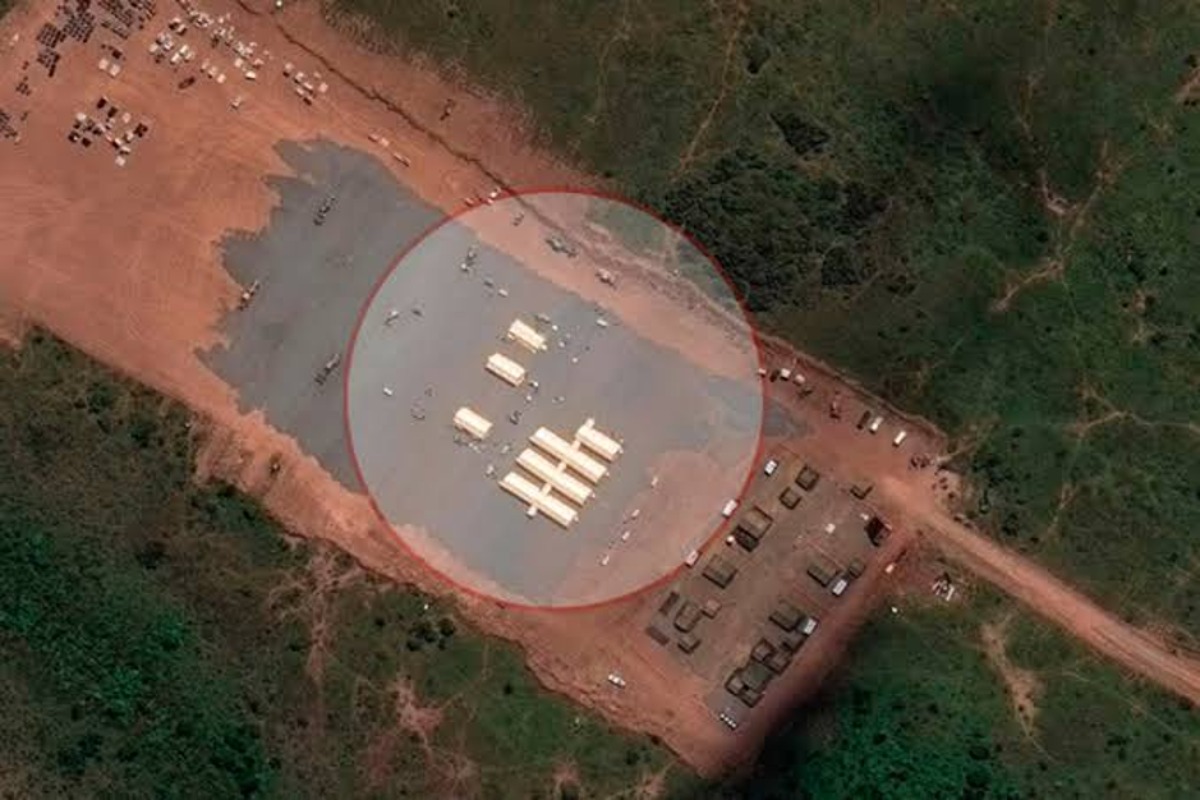
The High Court has declared the government's arrangement with the United States to establish an Ebola quarantine and treatment facility for American citizens at Laikipia Air Base unconstitutional, prohibiting further works until the government complies with its disclosure orders.
In a judgment delivered on Thursday, November 26, 2026, Justice Patricia Nyaundi found that the government had breached constitutional requirements on public participation, transparency and accountability in the process leading to the establishment of the facility.
The court ordered the Cabinet Secretary for Health, through a mandamus order, to make public the agreements, assessments, approvals and operational protocols relating to the project within 45 days. The information must also be provided to the petitioners and the court.
The documents required include agreements, memoranda of understanding and negotiations relating to the facility, alongside public health, environmental, biosafety and security assessments.
The ministry must also disclose approvals obtained from Parliament, regulatory authorities and county governments, as well as protocols governing the admission, handling, isolation and treatment of people exposed to or suspected of having Ebola.
The court found that the Cabinet Secretary for Health had failed to uphold the national values and principles of governance under Article 10 of the Constitution, including transparency, accountability and public participation.
It further declared that the respondents had breached Article 35(3) by failing to make the full terms of the agreement and related information available to the public, petitioners and the court.
The judge emphasised that decisions with significant implications for public health and community safety must comply with constitutional requirements, including the obligation to provide information and facilitate public participation.
The ruling followed consolidated constitutional petitions filed by Katiba Institute and the Law Society of Kenya, challenging the establishment of the facility over concerns about public safety, transparency and the exclusion of affected communities from the decision-making process.
Katiba Institute filed its petition on May 28, 2026, before the facility was due to open. The court suspended the project on the same day and subsequently ordered the government to disclose information relating to the agreement.
The documents later disclosed did not include an environmental and social impact assessment or a safety contingency plan. In June, the court found the Cabinet Secretary for Health in contempt for allowing construction to continue in breach of its orders.
The latest judgment also bars the ministry from undertaking further works on the facility or operationalising it until the required information has been disclosed and the court certifies that its orders have been satisfactorily complied with.
The court made no order as to costs, noting that the petitions had been brought in the public interest.
Welcoming the judgment, Katiba Institute Executive Director Nora Mbagathi said the decision affirmed the public's right to information on government decisions affecting their lives and health.
The organisation maintained that the government must disclose the full details of the arrangement, including its assessments, approvals and operational protocols, before the project can proceed.
Katiba Institute also called on the government to respect the prohibition on further works or use of the facility and publicly account for the admission of foreign nationals to the site in July while the court's orders were in force.
It further urged the government to present any future international health arrangement to Parliament and the public before concluding it, and to strengthen national Ebola preparedness as Kenya works towards being declared Ebola-free.
The institute said it would monitor the government's compliance with the judgment and return to court if the orders were not obeyed.