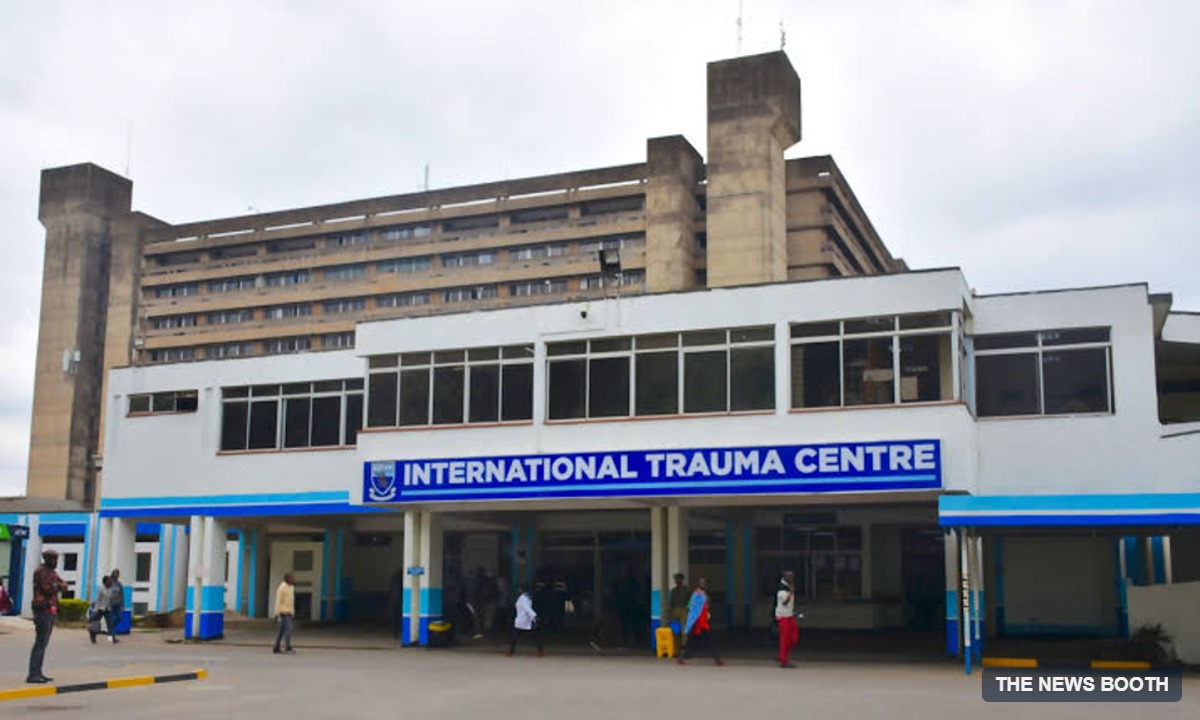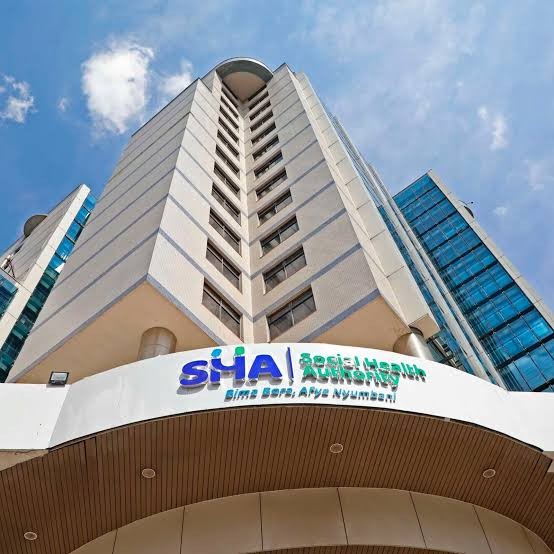
Cancer patients across Kenya are reportedly being turned away from hospitals, missing scheduled treatment and paying out of pocket for services covered under the Social Health Authority (SHA), raising concerns over disruptions linked to changes in the health insurance system.
The Kenyan Network of Cancer Organizations (KENCO) has called on SHA and the Ministry of Health to urgently address the challenges, warning that delays in cancer treatment could put patients at risk of disease progression.
In a press statement issued on Wednesday, November 25, 2026, KENCO said patients had experienced difficulties accessing medication and specialised cancer services following recent changes to treatment approval and pricing arrangements under SHA.
The organisation acknowledged the government's efforts to improve cancer care, including an enhancement of the oncology benefit by more than 40 per cent. However, it argued that the benefit would have little value if patients could not access treatment when they needed it.
KENCO noted that SHA had maintained the annual oncology benefit at KSh800,000, comprising KSh400,000 under the Social Health Insurance Fund (SHIF) and another KSh400,000 under the Emergency, Chronic and Critical Illness Fund (ECCIF).
While supporting efforts to standardise treatment costs and align services with national cancer treatment guidelines, KENCO criticised the manner in which the new arrangements had been introduced.
It said the changes were implemented without adequate preparation, particularly for patients who were already undergoing treatment, leaving some exposed to interruptions and unexpected medical expenses.
Among the challenges reported are reductions in approved drug limits, increased treatment costs, exclusion of specialised diagnostic tests and delays in digital authorisations.
KENCO also raised concerns over reports that the SHA system had been unavailable at several health facilities, forcing patients to pay for treatment from their own pockets.
The organisation cited the case of a breast cancer patient who was reportedly forced to change medication after SHA reduced the approved drug limit, despite having completed six cycles of treatment.
Another concern involves the rising cost of cancer medication. KENCO reported that the price of Herceptin at one Nairobi health facility had increased from KSh40,000 to KSh42,000, with patients being asked to cover additional costs.
The organisation also highlighted difficulties affecting patients who need to obtain prescribed medication from different hospitals.
Under the revised arrangements, patients reportedly cannot be billed under SHA at two different facilities on the same day. This means patients whose prescriptions cannot be fully supplied at one facility may have to wait until the following day to obtain the remaining medication elsewhere.
The statement further detailed the financial difficulties facing families of cancer patients.
One patient who had completed chemotherapy reportedly exhausted the KSh800,000 oncology benefit and was informed that additional support through the top-up arrangement would only be available the following year.
The patient's family has since been forced to raise approximately KSh47,000 every month to purchase two oral maintenance drugs.
KENCO also cited the case of an elderly man travelling from Homa Bay every three weeks for lung cancer treatment, who was reportedly required to pay an additional KSh50,000 after SHA had covered part of the cost.
The organisation warned that the revised approval process could also overwhelm oncologists in public hospitals, potentially resulting in longer waiting periods for patients seeking treatment authorisation.
To address the situation, KENCO has urged the Ministry of Health and SHA to introduce transitional measures to protect patients already undergoing treatment.
It wants the previous and revised systems to operate concurrently until the new arrangements are fully stabilised, ensuring that no patient is forced to stop or change medication because of new pricing limits.
The organisation has also called for clear timelines for treatment approvals, including same-day authorisation for urgent cases and alternative arrangements whenever the digital system experiences downtime.
Additionally, KENCO wants SHA to publish clear information on approved treatment costs, drug limits, covered diagnostic procedures and the calculation of patient top-up payments.
It has further proposed the establishment of dedicated pre-authorisation and claims desks in cancer treatment facilities, particularly public hospitals, to ease the administrative burden on oncologists.
The organisation also wants patient organisations involved in reviewing changes to cancer treatment benefits and has called for regular public reporting on rejected claims, approval delays and system downtime.
KENCO maintained that it supports reforms aimed at improving accountability and preventing misuse of public health funds but insisted that such changes should not create additional barriers for patients.
It warned that cancer treatment delays are more than administrative inconveniences, as they could affect treatment outcomes and place additional financial pressure on already struggling families.
The organisation expressed readiness to work with SHA, the Ministry of Health and other stakeholders to address the concerns, saying the success of the country's health financing system should ultimately be measured by patients' ability to access timely and affordable care.