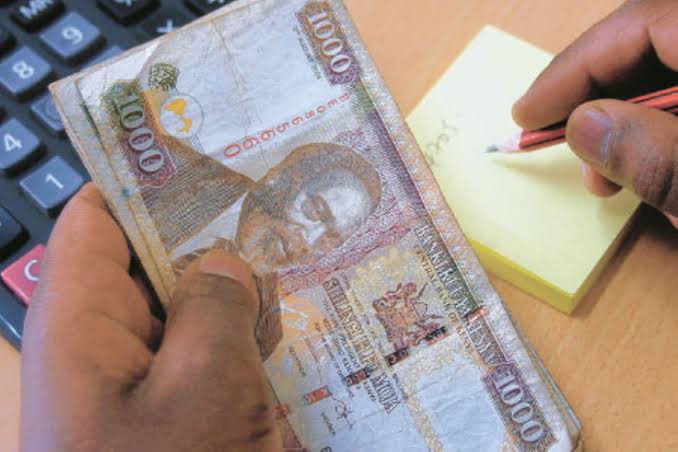
Kenya’s exports to China rebounded by nearly 60 per cent in the first three months of preferential trade arrangements, with coffee and copper scrap emerging as key drivers of the recovery.
Data from the Kenya National Bureau of Statistics (KNBS) shows that export earnings increased to KSh7.05 billion in the April-June 2026 quarter, compared with KSh4.41 billion in the corresponding period last year.
The 59.9 per cent increase marks the first quarterly performance under the zero-tariff arrangement introduced in May, which gives Kenyan products duty-free access to the Chinese market.
The recovery is significant for Kenya, whose exports to China have struggled following the depletion of titanium deposits in Kwale and restrictions affecting macadamia shipments.
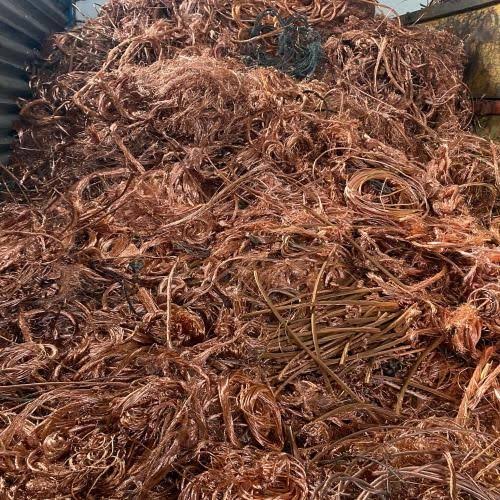
KNBS attributed the improvement partly to increased domestic exports of coffee and copper waste and scrap, pointing to a changing composition of goods being sold to one of the world's largest manufacturing economies.
Copper scrap has become particularly important in Kenya's export relationship with China. Shipments of the commodity were valued at KSh3.24 billion in 2024, up from KSh1.18 billion in 2023 and just KSh303.46 million in 2022.
The commodity subsequently overtook traditional agricultural exports to become Kenya's leading export to China in 2025, reflecting strong demand from Chinese manufacturers seeking raw materials for industrial production.
Coffee is also gaining ground following the opening of the Chinese market to more Kenyan agricultural products. Between May and August 2026, Kenya's unroasted green coffee exports to China increased by 139.66 per cent in volume to 1.71 million kilogrammes, compared with 712,610 kilogrammes during the same period in 2025.
The value of those coffee shipments nearly doubled to 98.3 million Chinese yuan from 49.8 million yuan.
Kenya's broader export recovery comes against a difficult historical background. Titanium ores and concentrates generated KSh12.06 billion in exports to China in 2022, but earnings fell to KSh4.25 billion in 2024 as deposits at the Kwale mining operation were exhausted.
The last major titanium consignment from the mine was shipped in early 2025, removing an important source of export earnings.
Macadamia exports have also faced regulatory restrictions following a 2025 harvesting and export ban intended to allow nuts to mature and protect product quality.
The Kenya-China Early Harvest Agreement and Beijing's wider zero-tariff initiative are intended to help exporters diversify beyond traditional commodities. The arrangement covers approximately 98.2 per cent of Chinese tariff lines for Kenyan products.
In March 2026, Kenya and China flagged off 54 containers of Kenyan goods, including coffee, avocados, avocado oil, hides and skins, for shipment to China.
Despite the recovery, Kenya's export earnings in April-June 2026 remained 17.2 per cent below the KSh8.51 billion recorded in the same quarter of 2024.
The figures also underline the challenge of translating improved market access into higher-value exports. Copper scrap and unprocessed green coffee generate foreign exchange, but Kenya could capture more economic value by expanding domestic processing, manufacturing, roasting and branding.
The growing copper scrap trade also raises concerns about the sourcing of the metal, particularly amid longstanding warnings from electricity distributors that theft of copper infrastructure has contributed to costly vandalism.
For Kenya, the rebound offers an opportunity to rebuild its presence in China, but sustaining the gains will depend on reliable supply, quality standards and the ability of local businesses to move further up the value chain.