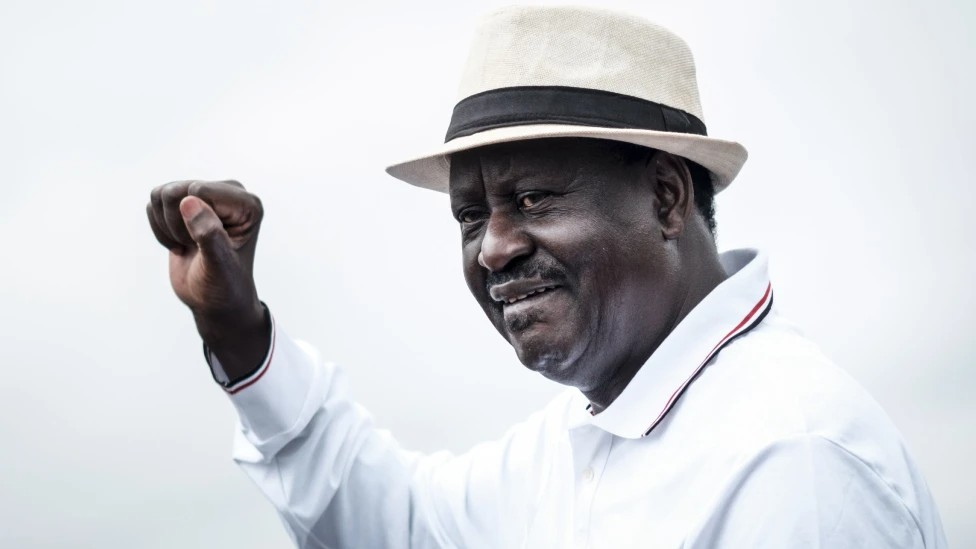
A BBC Africa Eye investigation has raised fresh questions about the police shooting that left three mourners dead during the public farewell for former Prime Minister Raila Odinga at Nairobi’s Kasarani Stadium in October 2025.
The investigation found that the three people killed were not involved in the confrontation that preceded the shooting, despite being caught up in the violence that disrupted the national farewell.
According to the BBC, its investigation examined more than 1,500 photographs and videos, alongside post-mortem evidence and eyewitness accounts, to reconstruct the events that unfolded inside the stadium on October 16, 2025.
Thousands of Kenyans had gathered at Kasarani to pay their last respects to Odinga, whose body had been returned to the country following his death in India on October 15, 2025.
The public viewing had initially been planned for Parliament Buildings but was moved to Kasarani following the large crowds that turned out to mourn the veteran politician.
Tensions rose inside the stadium as mourners waited to view Odinga’s body. A confrontation developed near the VIP section, where some people attempted to force their way towards the pavilion guarded by security officers.
Police subsequently opened fire as the situation escalated, leaving three mourners dead.
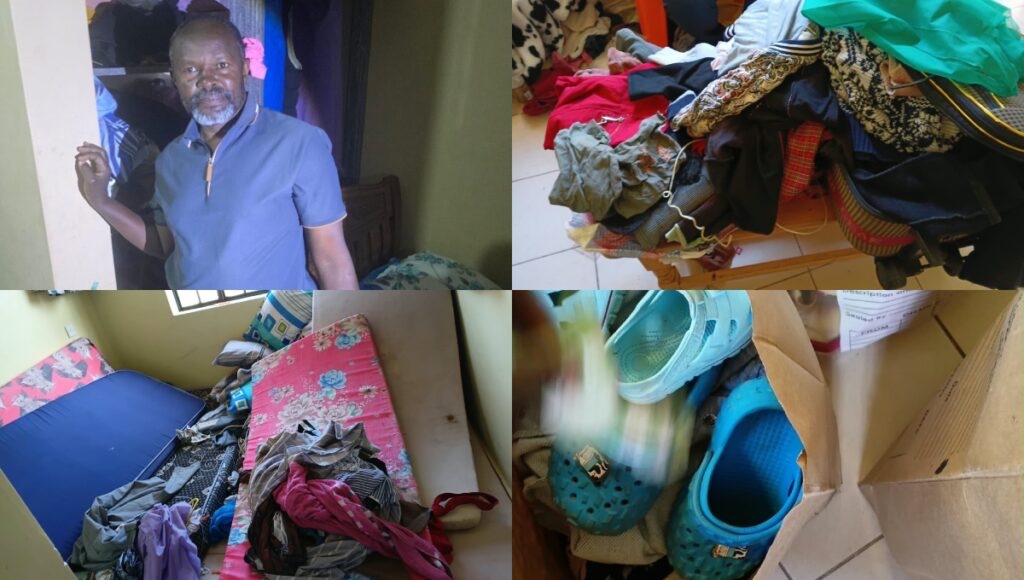
The BBC investigation identified the victims as Vincent Ogutu, Jidah Burka and Evans Kiche. Its analysis indicated that the three were some distance away from the confrontation when they were shot.
Kiche, a father of seven who worked as a chef, was approximately 60 metres from the clash, while Ogutu and Burka were at least 160 metres away, according to the investigation.
The documentary also examined the movements of a group of at least eight officers wearing tactical clothing and carrying assault rifles. The officers had covered faces and no visible identification markings.
The BBC said their clothing and movements were consistent with a specialist police unit responsible for protecting the President and other senior officials. Its investigation identified three officers as members of a unit involved in presidential protection, while footage showed at least three officers from the group appearing to fire their weapons.
However, the BBC said it could not establish which bullets killed each of the three victims or rule out the possibility that other officers fired shots inside the stadium.
Kenya’s National Police Service told the BBC that the events had provided important lessons for improving the professionalism of future police operations.
Interior Cabinet Secretary Kipchumba Murkomen defended the police response, saying officers had been under considerable pressure after working for hours and being deployed to a different venue at short notice.
The Independent Policing Oversight Authority (IPOA) was still investigating the deaths at the time of the BBC report, and no one had been held accountable for the killings.
For the families of the victims, the investigation has brought renewed attention to the circumstances surrounding the deaths, while questions remain about the use of lethal force and the accountability of officers involved.