The World Food Programme (WFP) has warned that funding cuts are worsening Sudan’s hunger crisis, with nearly 900,000 vulnerable people losing access to food assistance as the country grapples with the devastating effects of civil war.
The warning follows the first field mission to Sudan by the agency’s new Executive Director, Luke Lindberg, who met families displaced by fighting and struggling to provide food for their children.
Lindberg said millions of people were facing increasingly difficult choices as conflict, displacement and dwindling humanitarian assistance pushed communities closer to starvation.
“People facing acute hunger have three unfortunate choices: rebel, migrate or starve,” Lindberg warned, calling for an end to the fighting and increased international support to address the worsening humanitarian situation.
Sudan has been experiencing one of the world's largest humanitarian emergencies since civil war erupted in April 2023 between the Sudanese Armed Forces and the paramilitary Rapid Support Forces.
The fighting has displaced millions, killed hundreds of thousands according to estimates and triggered widespread food insecurity, with famine confirmed in several parts of the country.
During his visit, Lindberg travelled to displacement camps, including Goz El Salam in Kosti, where he met families who have fled their homes because of the violence.
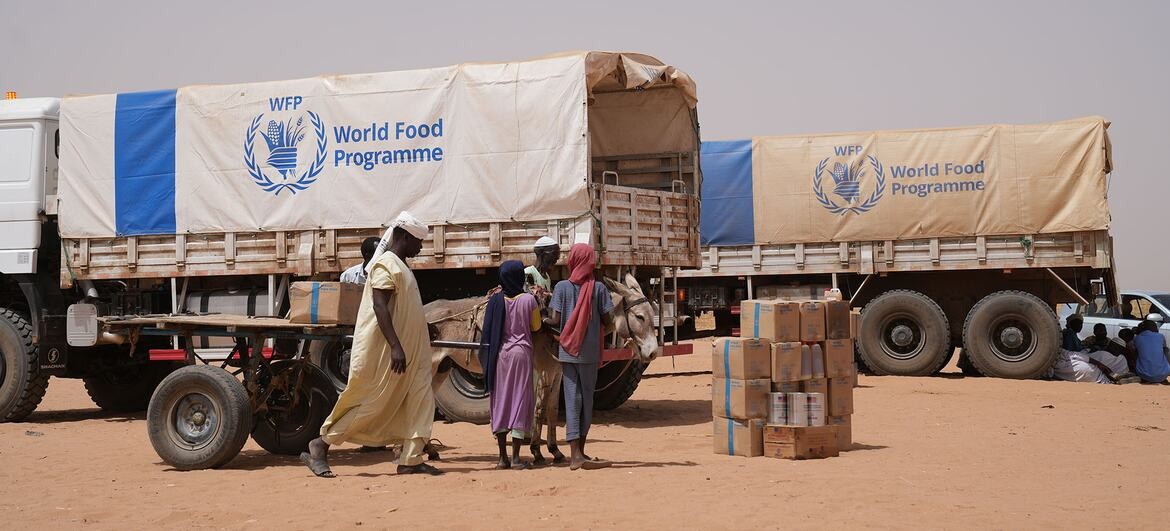
He also visited areas where humanitarian organisations are distributing food to vulnerable communities.
He described WFP assistance as a critical lifeline for millions caught up in what he termed an unprecedented conflict, warning that the agency's ability to reach those in need was being undermined by declining financial support.
In August, WFP was providing food assistance to more than four million people across Sudan, including 880,000 people living in areas at risk of famine.
However, funding shortages have forced the agency to scale back its operations, reducing the number of people receiving assistance to just over three million.
An estimated 900,000 vulnerable people have consequently lost access to food support.
The humanitarian response is also being complicated by insecurity, blocked roads and flooding, which continue to disrupt the movement of relief supplies and restrict access to communities affected by the conflict.
Lindberg said the situation required urgent international intervention, warning that without additional resources, millions more people could be exposed to worsening hunger and malnutrition.
The WFP is appealing for 520 million US dollars to provide lifesaving food and nutrition assistance to 5.4 million people in Sudan through April 2027.
The funding is expected to support emergency food distributions and nutrition programmes targeting families facing the most severe levels of food insecurity.
Lindberg stressed that ending the conflict remained essential to addressing the hunger crisis, noting that humanitarian assistance alone could not resolve the underlying causes of the emergency.
“Peace opens the door to food while conflict opens the door to hunger,” he said, urging governments and international partners to mobilise additional resources.
He added that WFP maintained teams on the ground and was prepared to expand its operations if sufficient funding and humanitarian access were secured.
The agency says sustained international support, alongside an end to hostilities, will be critical in preventing further deterioration of food security and reaching millions of Sudanese facing the threat of starvation.