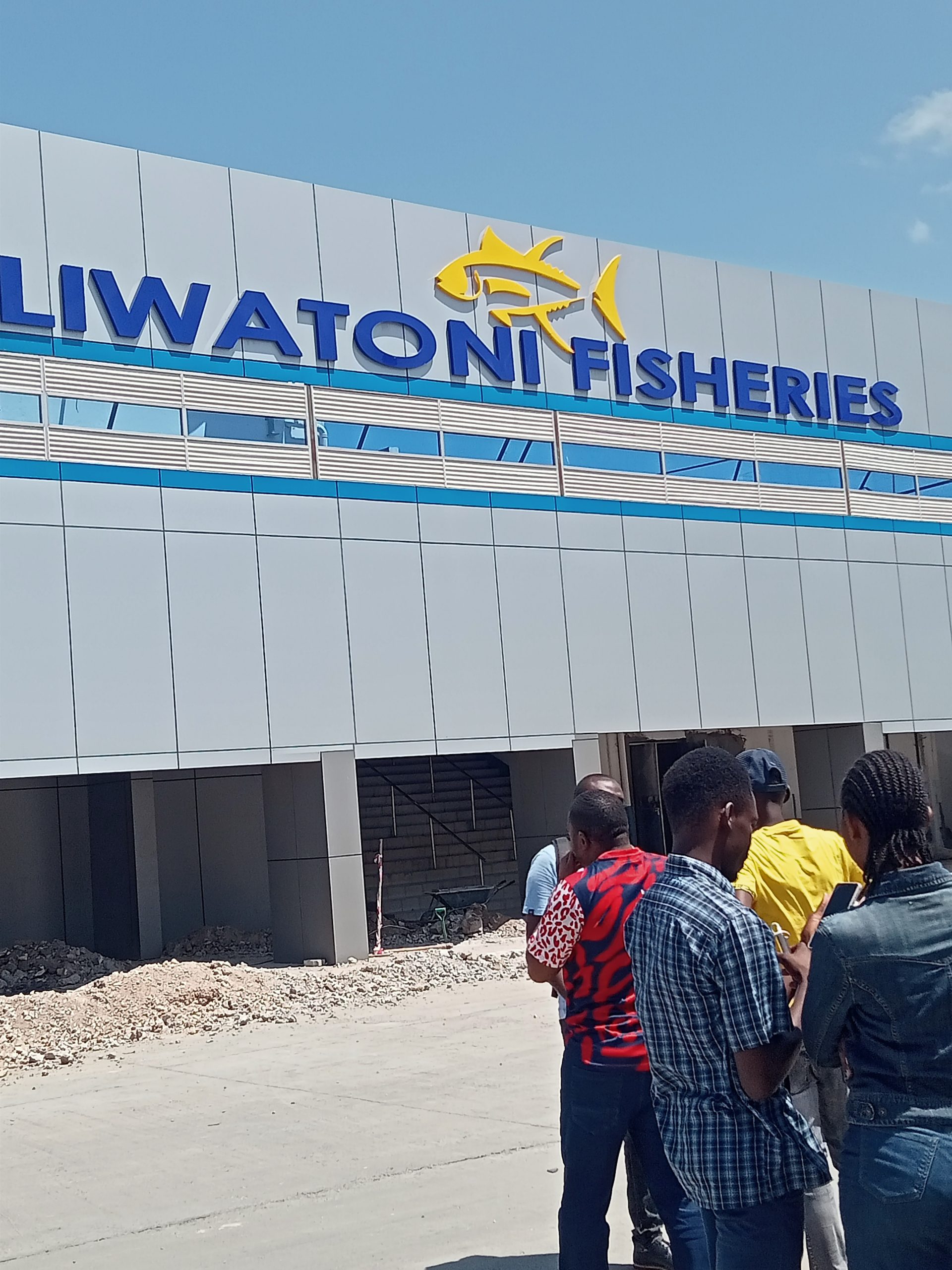
The Kenyan government is set to create approximately 3,000 jobs with the operationalization of the Liwatoni fish processing plant, according to Salim Mvurya, the Cabinet Secretary for Mining and Blue Economy. This development is part of a broader initiative to boost the country's blue economy sector. The plant, located in Mombasa, is expected to generate not only direct employment opportunities but also numerous ancillary jobs as it begins operations.
The government has invested Ksh1.49 billion in the first phase of the Liwatoni Fisheries Ecosystem project to ensure the completion of its construction and the commencement of processing activities. Cabinet Secretary Mvurya emphasized that the initial phase is fully funded by the government, while the subsequent phase will involve public-private partnerships. This approach aims to leverage private sector expertise and investment to enhance the facility's capacity and efficiency.
During an inspection of the facility on August 24, 2023, Mvurya highlighted that once operational, the Liwatoni plant will have the capacity to process 1,000 tonnes of fish in one segment. This capacity is expected to significantly boost the local fishing industry by providing a reliable processing and distribution hub. However, the project has faced delays due to funding challenges, which have hindered the completion of processing works.
Mvurya assured that by December, the first phase of the project will be ready, with full completion anticipated by June next year. To date, the government has allocated Ksh200 million to the project and plans to authorize an additional Ksh5 million soon. This financial commitment underscores the government's determination to see the project through to fruition.
In addition to processing fish, the plant will produce by-products that will be utilized as fertilizer and in aquaculture at the Kibonyo fish farm. This initiative is expected to enhance agricultural productivity and support sustainable fish farming practices. Furthermore, the Liwatoni facility will serve as a landing point for fishermen's produce, catering to both local and international markets. This strategic positioning is intended to boost the competitiveness of Kenyan fish products on the global stage.
The Liwatoni fish processing plant represents a significant investment in the country's blue economy, promising to create jobs, stimulate economic growth, and enhance food security. As the project progresses, it is poised to become a cornerstone of Kenya's efforts to harness its marine resources sustainably.