A 24-year-old Zimbabwean national has been convicted in South Africa for planning to travel to Ukraine to participate in the ongoing war, amid growing concerns over the recruitment of African nationals into foreign military operations.
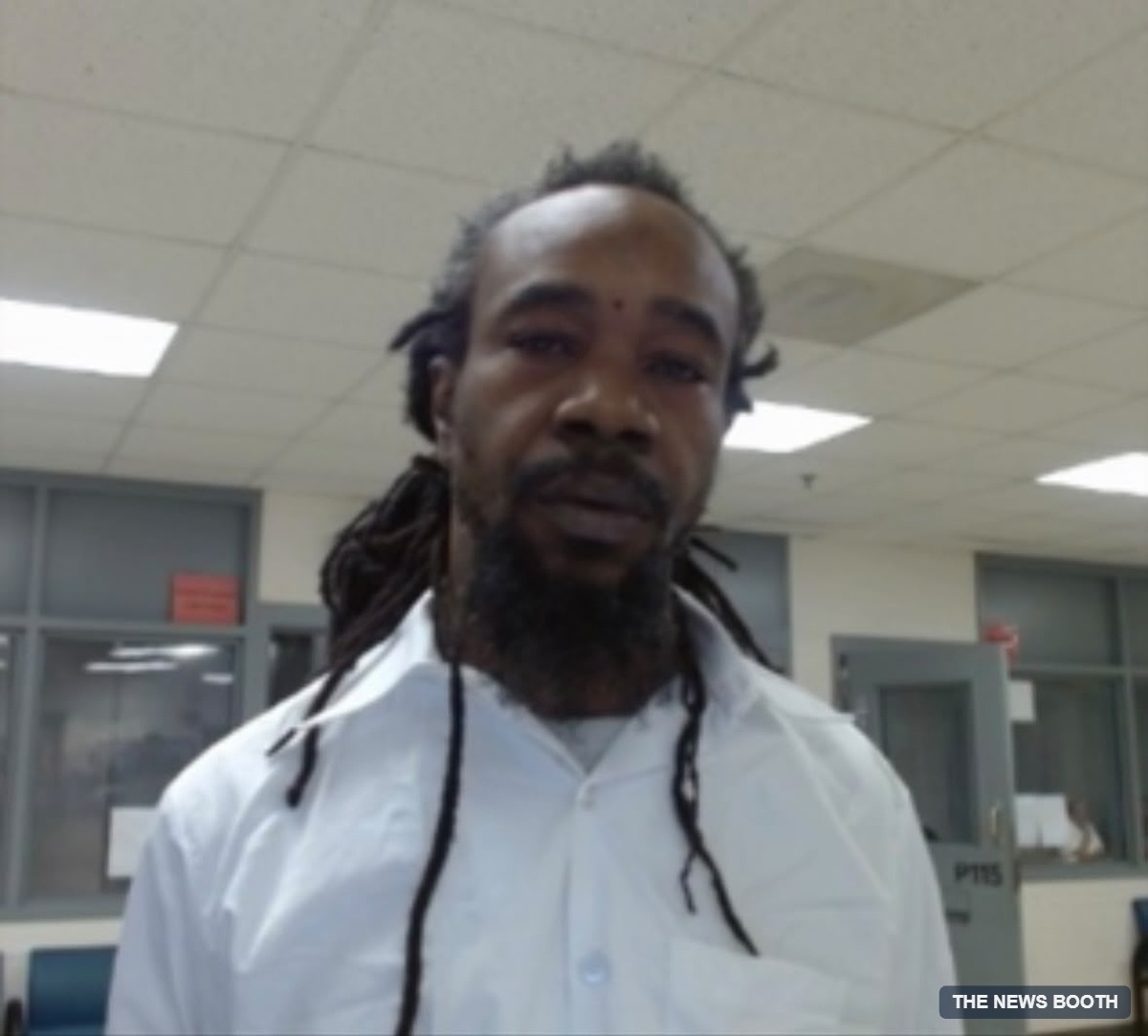
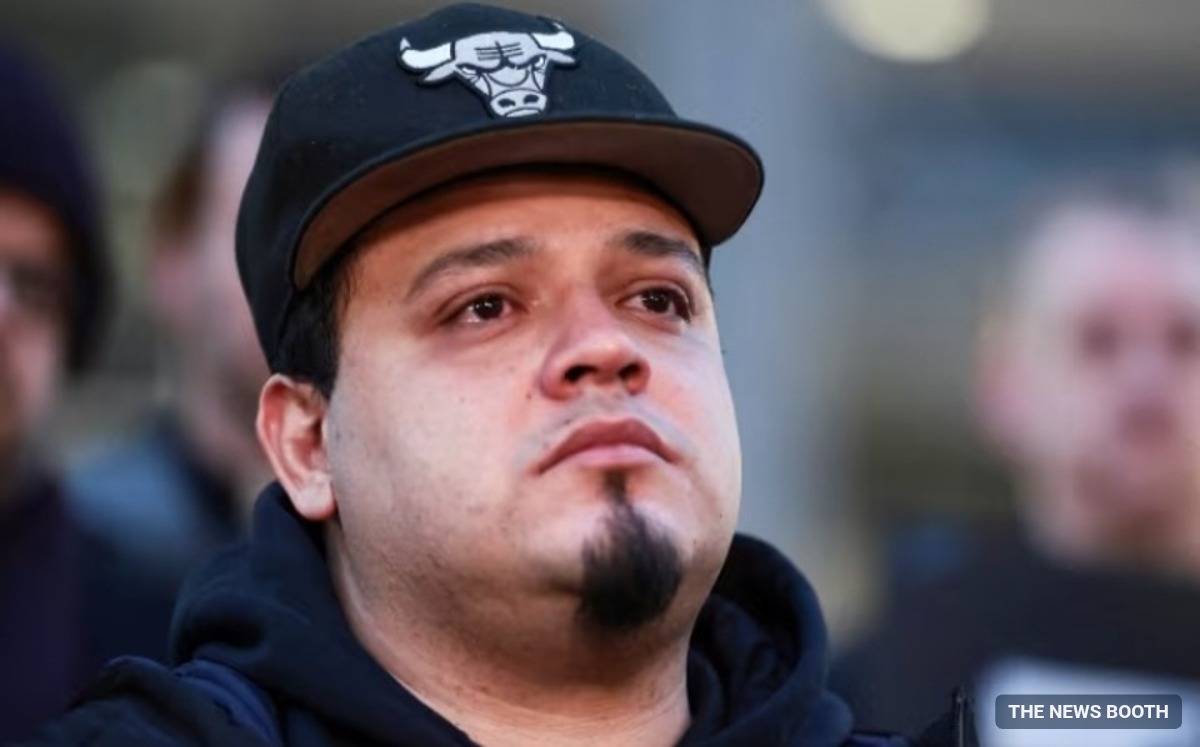
Wesley Sothole, who pleaded guilty, was handed a five-year suspended prison sentence and ordered to be deported from South Africa.
He is among five Zimbabweans arrested at OR Tambo International Airport in Johannesburg on November 8. South African prosecutors have not disclosed which side the group allegedly intended to fight for.
Sothole's four co-accused are yet to enter pleas and are expected back at the Kempton Park Magistrates' Court on December 1 for further plea and sentencing proceedings.
In a separate operation conducted around the same time, another four Zimbabweans were arrested at a Johannesburg hotel and are facing a different court process.
The investigation involves South African police, Interpol and other international law enforcement agencies.
South Africa has strict laws governing participation in foreign military operations. Its Foreign Military Assistance Act, enacted in 1998, was introduced amid concerns over former apartheid-era security personnel travelling to participate in conflicts elsewhere in Africa.
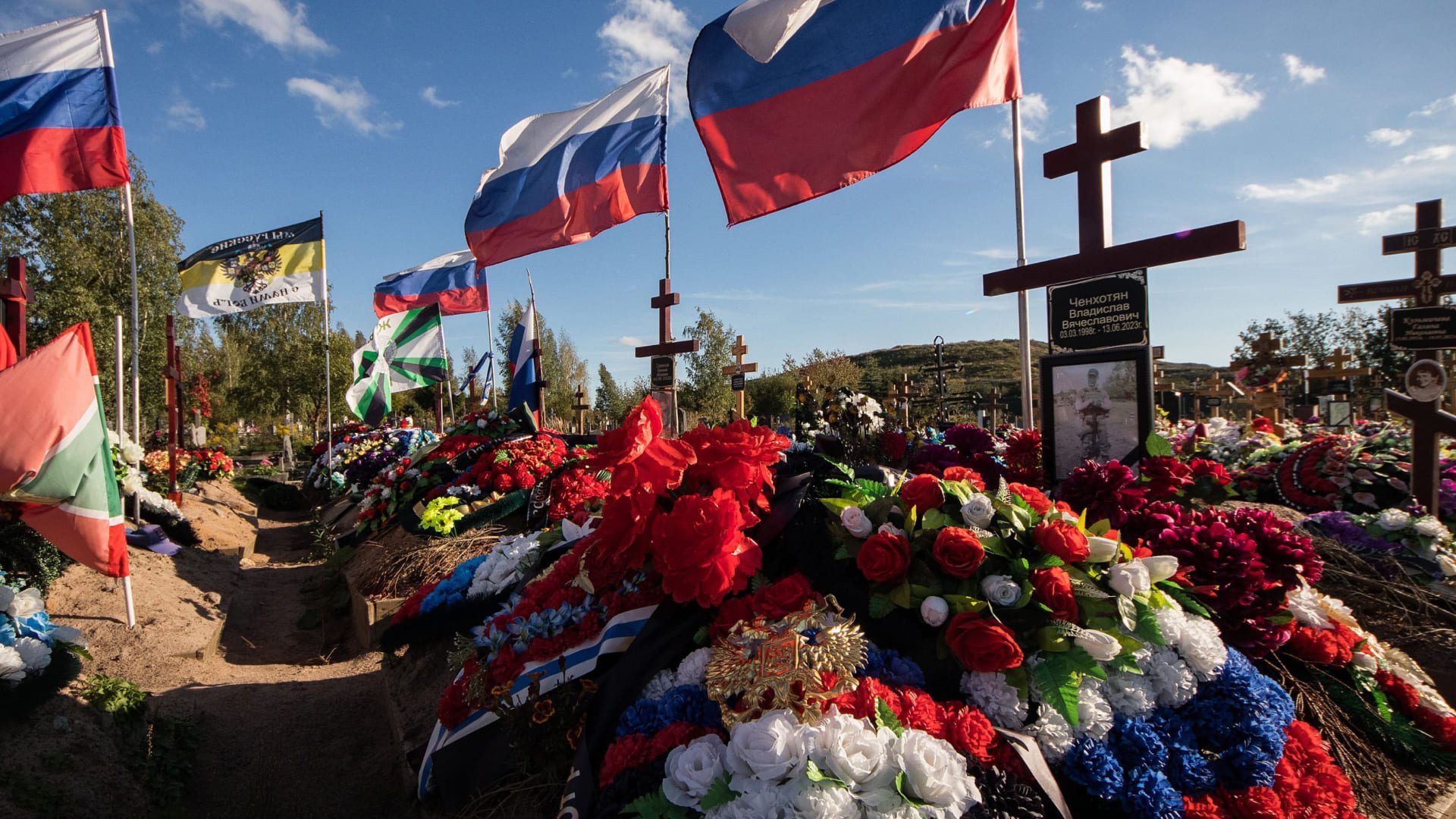
The conviction comes amid growing concern across the continent over the recruitment of African nationals to fight in the Russia-Ukraine war, with some reportedly lured by promises of lucrative civilian employment before being deployed to the frontlines.
A Ukrainian intelligence assessment earlier this year estimated that more than 1,700 people from 36 African countries had been recruited to fight for Russia. Some have since been captured and are being held as prisoners of war.
Kenya has also raised concerns over the recruitment of its citizens into the conflict. In March, the government estimated that 252 Kenyans had been illegally conscripted into Russia's military operations.
Foreign Affairs Cabinet Secretary Musalia Mudavadi subsequently travelled to Moscow to address the matter, announcing that an agreement had been reached for Russia to stop recruiting Kenyan nationals.
Zimbabwe also reported in March that 15 of its citizens had been killed after being recruited to fight for Russia in Ukraine, with more than 60 others reportedly trapped on the frontlines.
South Africa has similarly been dealing with cases involving its nationals. In February, authorities secured the return of 17 citizens who had allegedly been tricked into joining the war.
In December last year, South African authorities arrested five people, including a journalist, over alleged recruitment activities targeting individuals seeking to join the conflict.
The government condemned what it described as the exploitation of vulnerable young people by individuals working with foreign military entities.
While Russia has faced accusations of recruiting Africans through deceptive employment offers, Ukraine has also recruited foreign nationals, including people from African countries, to fight alongside its forces.