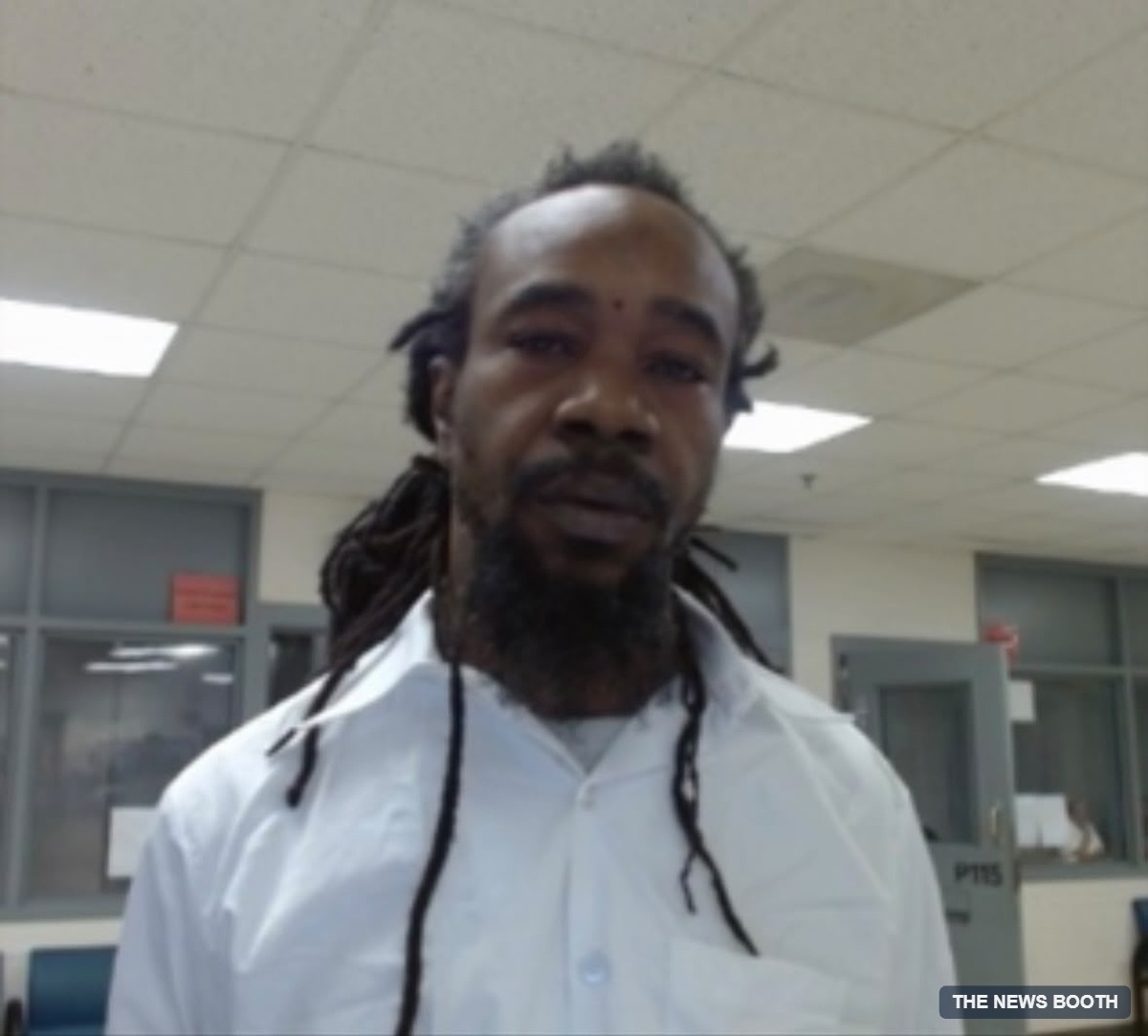
The United States Immigration and Customs Enforcement (ICE) has deported convicted rapist and repeat offender Clevon Reeves to Jamaica, citing the need to protect residents of New York from individuals with serious criminal records.
Reeves, a Jamaican citizen, was removed from the United States and returned to his country of citizenship following a criminal history that includes a conviction for first-degree rape and other offences.
According to information released by ICE, Reeves was convicted of raping a woman in Mount Vernon, New York, following an attack inside her apartment.
Reports indicate that Reeves targeted the woman, whom he did not know, as she was entering her home. He allegedly forced his way into the apartment, pushed her to the floor, choked her and sexually assaulted her.
Investigators subsequently collected DNA evidence through a sexual assault examination. The DNA evidence reportedly matched Reeves, helping establish his involvement in the attack.
He was later convicted of first-degree rape in 2016 and became subject to immigration enforcement scrutiny because of the seriousness of his criminal record.
However, the rape conviction was not his first encounter with the American justice system.
ICE records indicate that Reeves had entered the United States legally through New York several decades ago. However, within two years of arriving in the country, he had already been convicted of sexual misconduct in Bronx County.
During the same year, he was also convicted of patronizing a prostitute in the same county. He was reportedly sentenced to time served for the offence.
His subsequent conviction for first-degree rape added to a criminal history that ultimately placed him among individuals targeted for removal by US immigration authorities.
ICE said the deportation was carried out to safeguard communities in New York, stressing the importance of removing individuals with serious criminal convictions from the country.
The agency has continued to pursue immigration enforcement operations targeting non-citizens with criminal records as part of its broader public safety efforts.
The removal of Reeves highlights the intersection between the American criminal justice system and immigration enforcement, particularly in cases involving non-citizens convicted of serious offences.
While Reeves had initially entered the country legally, his criminal convictions became central to the decision to remove him from the United States.
His deportation to Jamaica means he has now been returned to the country of his citizenship after spending decades in the United States.