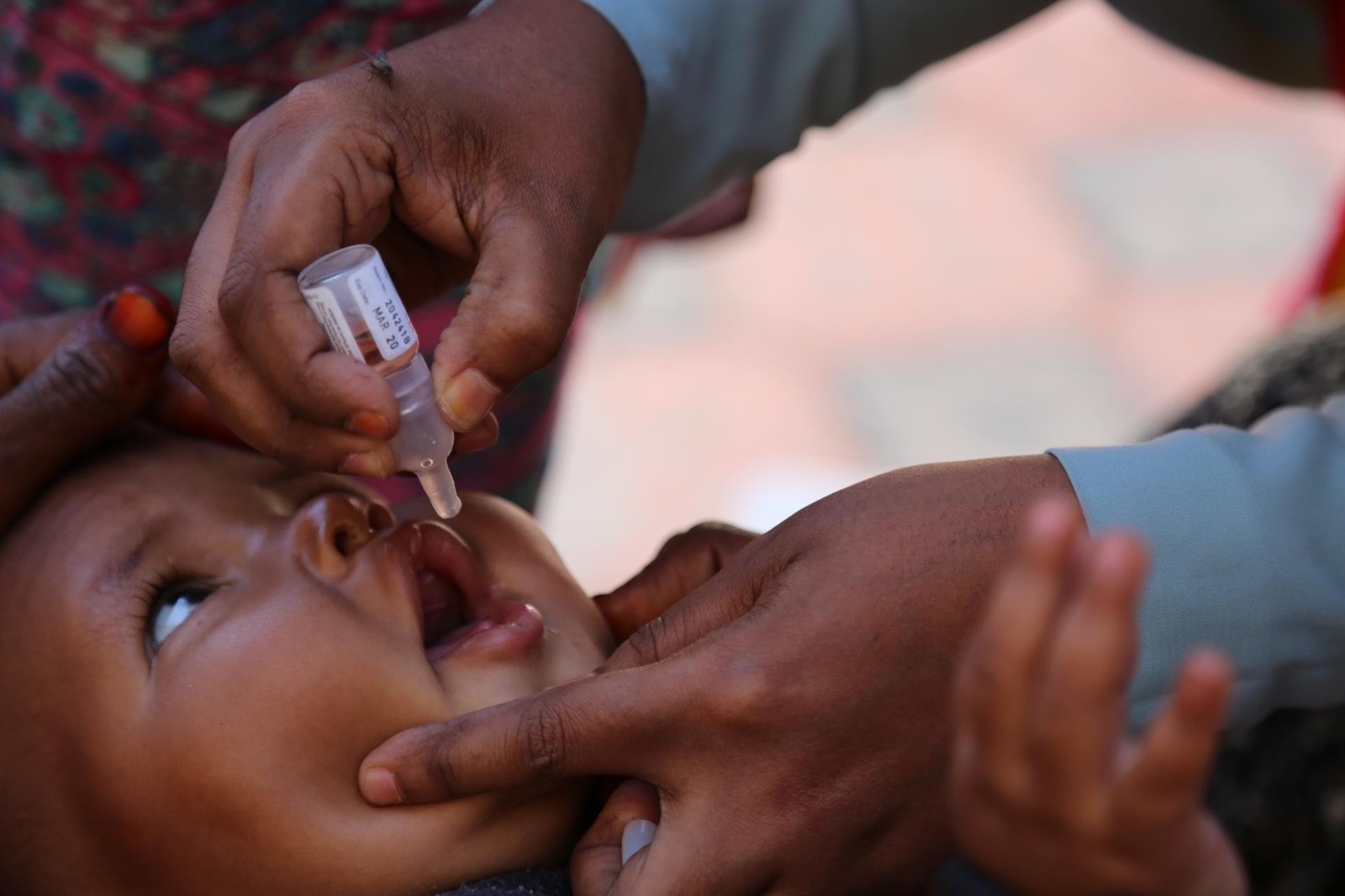
As the world marks World Polio Day on October 24, efforts to eradicate the disease are gaining renewed attention, with health experts warning that vaccination remains key to protecting children from lifelong paralysis.
Polio, a highly infectious viral disease, mainly affects children under five years of age. It attacks the nervous system and can cause paralysis within hours in severe cases.
According to the World Health Organization (WHO), one in every 200 polio infections results in permanent paralysis. Of those who become paralysed, between five and 10 per cent die when the muscles responsible for breathing are affected.
Despite the progress made in fighting the disease, the threat remains as long as the virus continues circulating anywhere in the world.
Since the launch of the Global Polio Eradication Initiative in 1988, wild poliovirus cases have dropped by more than 99 per cent, from an estimated 350,000 cases annually across more than 125 endemic countries to continued endemic transmission in Afghanistan and Pakistan.
The progress has been supported by vaccination campaigns, disease surveillance and cooperation between governments, health workers and international partners.
However, WHO warns that gaps in immunisation and surveillance could allow the virus to spread again, putting children at risk even in countries where polio has been eliminated.
The disease spreads mainly through contact with contaminated faecal matter, although transmission can also occur through contaminated food or water.
Early symptoms include fever, fatigue, headache, vomiting, neck stiffness and pain in the limbs. Some infected people may develop severe complications, while others experience mild or no symptoms.
There is no cure for polio, but vaccination can prevent infection and provide lifelong protection when the recommended doses are administered.
The available vaccines include oral polio vaccine and inactivated polio vaccine, both of which are considered safe and effective.
In 2020, Africa was certified free of indigenous wild poliovirus, marking a major milestone in the global eradication campaign. However, the continued circulation of the virus in other parts of the world means the threat has not been completely eliminated.
WHO says maintaining high vaccination coverage and strengthening disease surveillance will be critical to achieving global eradication.
The organisation estimates that more than 20 million people worldwide can walk today because of polio eradication efforts, while vitamin A supplementation delivered during immunisation campaigns has helped prevent an estimated 1.5 million childhood deaths.
As World Polio Day is observed, the global campaign continues to focus on reaching every child with vaccines to prevent new infections and ensure future generations are free from the disease.